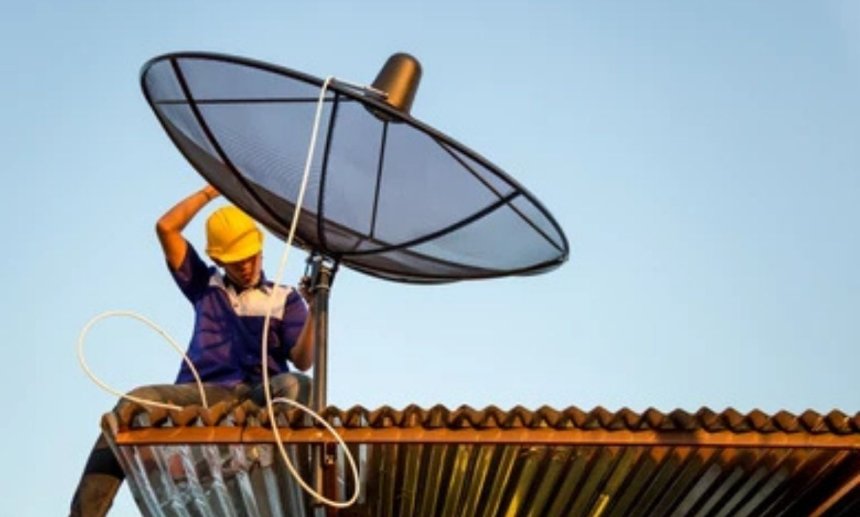

Dish Antenna Installation Service in Dubai and Sharjah
Need a dish antenna installation service in Dubai or Sharjah? Explore satellite dish setup, alignment, and signal troubleshooting tips.
Dish Antenna Installation Service: A Complete Guide for Homes and Businesses
A clear television picture and reliable signal can make a big difference to your everyday entertainment. Whether you enjoy watching live sports, international news, movies, or family programmes, a properly installed satellite dish helps you get the best performance from your television equipment.
However, setting up a satellite dish involves more than mounting it on a wall or rooftop. The dish must be positioned correctly, the cables securely connected, and the receiver configured for your satellite service. Even a small installation mistake can cause weak signals, missing channels, or viewing interruptions.
A professional dish antenna installation service can help you avoid these problems by ensuring that the equipment is installed and tested correctly. For residents and businesses in Dubai and Sharjah, understanding the installation process helps them make informed decisions when setting up a new TV system or upgrading an existing one.
Satellite television systems depend on several components working together. These include the satellite dish, LNB, coaxial cables, receiver, and television. If one component is incorrectly installed or damaged, the entire system may experience reception problems.
Professional installation focuses on proper dish placement, secure mounting, proper wiring, and accurate signal alignment.
A satellite dish must face the appropriate direction to receive signals from the intended satellite. The correct direction and elevation depend on the satellite and the property’s location.
A professional installer can identify a suitable position, check for possible obstructions, and adjust the dish using appropriate signal-testing equipment.
Correct positioning improves reception and reduces problems caused by inaccurate alignment.
A dish antenna needs a stable mounting surface to stay in place. Depending on the property, you may install it in an approved rooftop area, on an exterior wall, or another suitable location.
The mounting brackets and fixings must be appropriate for the dish and the surface. Secure installation helps prevent unnecessary movement caused by wind or vibration.
In apartments and shared residential buildings, also follow building management rules before installing external equipment.
Coaxial cables carry the satellite signal from the dish to the receiver. Damaged cables, loose connectors, and unsuitable wiring can weaken the signal or cause it to disappear completely.
A technician can inspect the cable route, connect the necessary components, and identify visible damage. Proper cable management also keeps the installation organized and reduces the chance of accidental damage.
After installing the dish, configure the receiver for the relevant satellite service. Depending on the equipment, this may include selecting the appropriate settings, scanning for available channels, and checking signal quality.
Testing the system before completing the installation helps identify issues early and confirms the setup works as expected.
Finding a suitable installation location is key to satellite dish installation in Dubai. Residential and commercial buildings can have different layouts, roof designs, balconies, and mounting restrictions.
Before installing a dish, consider the following factors.
Nearby buildings, walls, trees, and other obstacles can block the path between the dish and the satellite. The installer should check the location and identify a suitable position for the equipment.
A clear signal path is particularly important in areas with closely spaced buildings. The ideal position will depend on the satellite service and the property’s layout.
Some apartment complexes and residential communities have specific rules about rooftop access, drilling into exterior walls, and satellite dish placement.
Check with the property owner or building management before starting work. Following the relevant rules helps prevent installation delays and disputes.
The required dish size, LNB, receiver, cables, and mounting hardware depend on the satellite service and installation conditions.
Compatible equipment improves performance and prevents problems caused by unsuitable components.
Residents in Sharjah may need satellite dish installation when moving into a new home, replacing old equipment, or resolving recurring television reception issues.
The installation process usually starts with an assessment of the property and the customer’s requirements. The technician then chooses an appropriate location, mounts the dish, connects the cables, and configures the receiver.
For apartments, balcony space and building restrictions may limit your options. Villas may offer additional possibilities, such as approved roof or exterior wall installations.
If you are exploring local electronics and installation services, visit Al Muhit Al Saafi to learn more about the business and its available services.
Correct alignment is essential for reliable satellite reception. Even a securely mounted dish may perform poorly if it points in the wrong direction.
A professional dish antenna alignment service involves checking the dish’s position and making the adjustments needed to receive the intended satellite signal.
You may need to have your dish inspected if you notice:
- Frequent signal loss or television interruptions.
- Weak or fluctuating signal readings.
- Missing channels that were previously available.
- Reception problems after strong winds.
- Picture freezing during certain weather conditions.
These symptoms do not always mean the dish is misaligned. Damaged cables, faulty LNB equipment, receiver settings, or service-provider issues can cause similar problems.
A proper inspection helps identify the underlying cause instead of relying on guesswork.
A professional dish antenna installer handles the technical work required to establish a working satellite television connection.
Depending on the equipment and the requested service, the work may include:
- Inspecting the installation location.
- Mounting the satellite dish securely.
- Aligning the dish with the required satellite.
- Installing or checking the LNB.
- Connecting coaxial cables and compatible components.
- Configuring the satellite receiver.
- Testing signal strength and quality.
- Checking available channels and overall system performance.
The exact services included may vary between providers. Before arranging an installation, ask whether the quoted price includes mounting, wiring, alignment, receiver setup, and signal testing.
Knowing the basic parts of a satellite television system can help you understand how the installation works.
Satellite DishThe dish collects satellite signals and directs them to the receiver. Its size and design depend on the satellite service and reception requirements.
The LNB receives the reflected satellite signal and converts it into a form the receiver can use. A damaged or incompatible LNB may affect reception.
The cable carries the signal between the dish and receiver. Quality cable, properly fitted connectors, and careful routing all contribute to reliable operation.
The receiver processes the incoming signal and provides access to supported channels. It must be compatible with the television service and configured correctly.
These components hold the dish in place. Their selection depends on the mounting surface, dish design, and installation conditions.
When these components are suitable and connected correctly, the satellite television system is more likely to perform reliably.
Not every reception issue requires a new satellite dish. In many cases, you can restore an existing system by identifying and repairing the faulty component.
A dish antenna repair service may help with the following problems.
Signal loss may result from dish misalignment, an obstructed signal path, a faulty LNB, damaged wiring, or receiver issues. A technician can inspect the system and determine which component needs attention.
If some channels are unavailable, the issue may be receiver settings, an outdated channel list, poor signal quality, or changes made by the service provider.
Checking the equipment and settings can help identify the appropriate solution.
Outdoor cables and connectors can deteriorate over time. Loose connections, visible damage, or corrosion may interfere with signal transmission.
Replacing damaged parts and securing connections may restore normal operation.
Strong winds can shift the dish or loosen mounting hardware. If reception changes after bad weather, inspect the dish and mounting hardware and realign it if needed.
Avoid climbing onto roofs or adjusting equipment in unsafe locations. Professional assistance is the safer option for elevated or difficult-to-access installations.
If your television suddenly loses its signal, you can safely perform a few basic checks.
Make sure your television is using the correct input connected to your satellite receiver. An incorrect input can make it seem like the satellite system isn't working.
Switch off the receiver and restart it according to the manufacturer’s instructions. A restart may resolve temporary equipment or software issues.
Check visible connections for looseness or obvious damage. Do not dismantle electrical equipment or access the roof to inspect cables.
If all channels have disappeared, the problem may involve the dish, receiver, cabling, or service. If only certain channels are missing, receiver settings or channel availability may be relevant.
Some receivers display messages that indicate signal loss or a connection issue. This information can help a technician diagnose the problem.
If these checks do not resolve the issue, a professional inspection can help determine whether the system needs realignment, repair, or replacement components.
Searching for adish antenna installation near me can help you find local technicians, but compare their service details before deciding.
Choose a provider familiar with your satellite equipment, property type, and installation requirements.
Ask whether the quotation covers dish mounting, alignment, cable installation, receiver configuration, and signal testing. Additional equipment or repairs may involve separate charges.
Make sure the proposed installation follows applicable building rules and uses appropriate safety measures. Rooftop work and exterior mounting may require permission.
Confirm the system will be tested after installation, and ask what support is available if reception becomes unstable.
Clear communication before the appointment helps you understand the work and avoid unexpected costs.
Regular visual checks and timely repairs can help keep your satellite television system in good condition.
- Check accessible cables for visible damage.
- Keep avoidable obstructions away from the signal path where possible.
- Arrange an inspection if the dish appears loose or has moved.
- Check exposed mounting hardware for visible deterioration.
- Avoid making unverified alignment adjustments.
- Seek professional assistance if signal problems continue.
A properly installed satellite dish usually doesn't need frequent adjustments. However, damaged components, building changes, or severe weather may require maintenance.
A reliable television connection starts with the correct equipment, secure mounting, accurate dish alignment, and properly connected cables. Choosing a suitable dish antenna installation service helps ensure these steps are completed correctly.
Whether you need satellite dish installation in Dubai, installation help in Sharjah, receiver configuration, or signal troubleshooting, understanding the process makes it easier to choose the right service.
Take time to check building requirements, confirm the scope of work, and ensure the system is tested after installation. With the right equipment and proper maintenance, your satellite television setup can deliver dependable performance for everyday viewing.
For more information about available services, visit Al Muhit Al Saafi.

What Information Should You Give a Tow Truck Dispatcher During a Roads...