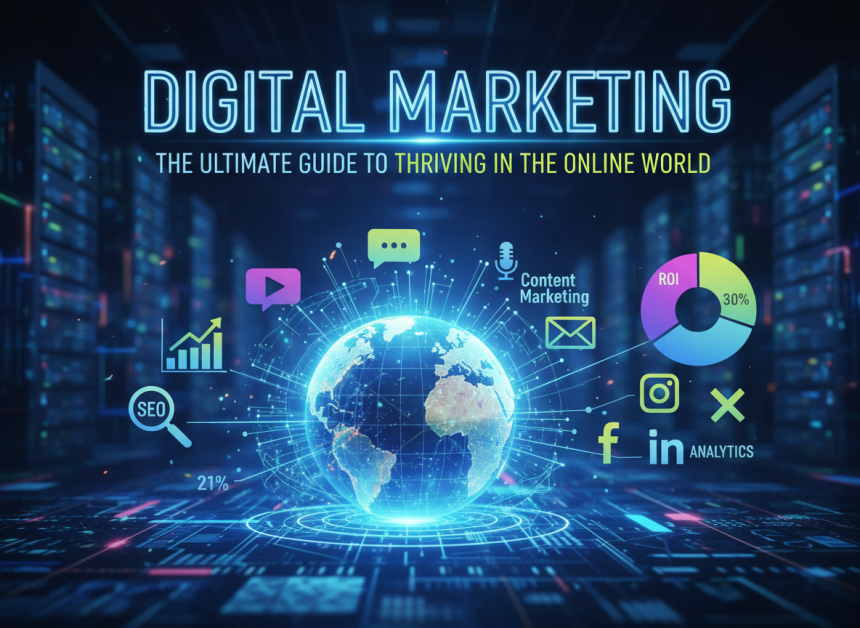

Digital Marketing: The Future of Business Growth in the Online Era
In today’s fast-paced digital world, marketing has evolved far beyond traditional methods like television commercials, print advertisements, or billboards. The internet has revolutionized the way businesses connect with their customers, creating an entirely new landscape known as digital marketing. This form of marketing has become an essential part of every successful business strategy, helping brands reach their target audiences, increase visibility, and achieve sustainable growth in an increasingly competitive marketplace. What is Digital Marketing? Digital marketing refers to all marketing activities that use electronic devices and the internet to promote products, services, or brands. It involves a wide range of online channels such as search engines, social media, email, websites, and mobile applications. Through these platforms, businesses can reach potential customers directly, engage with them effectively, and measure the success of their marketing campaigns in real time. In simple terms, digital marketing is about reaching the right people, at the right time, with the right message — all through digital means. The Importance of Digital Marketing The significance of digital marketing lies in its reach, affordability, and measurability. Unlike traditional marketing, which often requires large budgets and broad targeting, digital marketing allows businesses to focus on specific groups of customers and track how each campaign performs. Here are some key reasons why digital marketing is vital for businesses today: Global Reach: The internet breaks geographical barriers, allowing even small businesses to reach customers worldwide. A single online campaign can be seen by millions, giving brands unprecedented exposure. Cost-Effective: Compared to TV or newspaper ads, digital marketing is far more affordable. Platforms like social media and email marketing provide opportunities for both paid and free promotions, making them accessible for startups and established businesses alike. Measurable Results: One of the greatest advantages of digital marketing is its ability to measure performance. Tools like Google Analytics and social media insights help marketers analyze traffic, engagement, and conversions — enabling them to refine strategies and improve results. Personalization: Businesses can use data to create personalized messages for specific audiences. This increases customer satisfaction and loyalty since people are more likely to engage with content that aligns with their interests and needs. Higher Engagement: With features like comments, shares, and likes, digital marketing encourages interaction between brands and customers. This two-way communication builds trust and strengthens relationships. Major Types of Digital Marketing Digital marketing is a broad field that includes several specialized areas. Each type serves a different purpose but works best when integrated into a comprehensive digital strategy. Search Engine Optimization (SEO): SEO involves optimizing websites to rank higher on search engines like Google. The goal is to increase organic (non-paid) traffic by using targeted keywords, quality content, and strong backlinks. A well-optimized website can attract visitors continuously without relying on paid ads. Content Marketing: Content is the foundation of digital marketing. Whether it’s blog posts, videos, infographics, or podcasts, valuable content helps educate, entertain, and engage audiences. Quality content builds authority and encourages potential customers to trust your brand. Social Media Marketing: Platforms like Facebook, Instagram, Twitter, LinkedIn, and TikTok have become vital tools for marketing. Social media marketing focuses on creating engaging posts, running ads, and connecting directly with audiences to boost brand visibility and drive sales. Email Marketing: Despite being one of the oldest forms of digital communication, email marketing remains incredibly powerful. It allows businesses to nurture leads, promote offers, and maintain customer relationships through personalized emails. Pay-Per-Click Advertising (PPC): PPC involves paying a fee each time someone clicks on an ad. Google Ads and social media ads are common PPC platforms. This method is highly effective for driving immediate traffic and increasing conversions. Affiliate Marketing: In affiliate marketing, businesses collaborate with influencers or publishers who promote their products for a commission on each sale. It’s a performance-based approach that benefits both the brand and the affiliate. Influencer Marketing: This modern strategy leverages popular social media figures to promote products or services. Since influencers already have loyal followers, their endorsements can boost brand credibility and attract new customers. Mobile Marketing: With smartphones dominating internet usage, mobile marketing has become essential. This includes SMS campaigns, mobile-friendly websites, and in-app advertisements to engage users on their devices. Benefits of Digital Marketing The rise of digital marketing has changed how businesses operate and compete. Its benefits go beyond just promotion — it reshapes the entire customer experience. Improved Customer Targeting: Advanced analytics and AI tools allow businesses to understand their audiences better and target specific demographics, locations, or interests. Enhanced Conversion Rates: With clear data and tracking, businesses can adjust strategies instantly, improving conversions from visitors to paying customers. Brand Awareness and Credibility: A consistent digital presence builds brand recognition. High-quality content, reviews, and social proof increase credibility among potential customers. Flexibility and Adaptability: Digital marketing campaigns can be modified anytime. This agility helps businesses respond quickly to trends, customer feedback, or market changes. Challenges in Digital Marketing While digital marketing offers immense opportunities, it also presents certain challenges: High Competition: With millions of businesses online, standing out requires creativity, consistency, and innovation. Constant Algorithm Changes: Platforms like Google and Instagram frequently update their algorithms, affecting visibility and reach. Data Privacy Concerns: As marketers collect user data for personalization, they must ensure transparency and compliance with privacy laws. The Future of Digital Marketing The future of digital marketing looks promising and technology-driven. Artificial intelligence (AI), machine learning, voice search, and augmented reality (AR) are reshaping how brands interact with audiences. Personalized marketing powered by data analytics will continue to dominate, providing customers with unique, real-time experiences. Moreover, video marketing and short-form content will remain powerful tools for engagement. Sustainability and ethical marketing will also gain importance as consumers become more conscious of brand values and environmental impact. Conclusion Digital marketing is no longer optional — it’s essential. Businesses that embrace digital strategies are more likely to survive, grow, and succeed in today’s online-driven world. From social media engagement to search engine optimization and content creation, each aspect of digital marketing plays a crucial role in building a strong brand presence. In short, the future of business lies in the digital space. Those who adapt and innovate will not only stay ahead of the competition but also create lasting connections with their customers. Digital marketing is not just about selling — it’s about communicating, connecting, and creating value in the digital age.https://miracleconcepts.net/

Buy How to Get Started with B9: The Complete Expert Guide
Buy How to Get Started with B9: The Complete Expert Guide Starting with B9 can feel overw...

MGID Ads Account Scam Trends: The Ultimate Expert Guide
MGID Ads Account Scam Trends: The Ultimate Expert Guide Online advertising networks like...

Buy Zelle Account Access Scam Investigation: The Complete Expert Guide
Buy Zelle Account Access Scam Investigation: The Complete Expert Guide Online payment pla...