Dental Equipment Guide for Modern Dental Clinics
Explore a complete guide to choosing dental equipment for your clinic. Learn about essential tools, sterilization systems, digital technology, buying tips, and how to improve patient care with high-quality solutions.
Investing in the right dental equipment is essential for building a modern, efficient, and patient-focused dental practice. From diagnosis to treatment and sterilization, every tool plays a critical role in ensuring safety, precision, and long-term reliability. Selecting high-quality equipment helps improve workflow, reduce operational disruptions, and enhance patient confidence.
In today’s competitive dental industry, clinics must prioritize technology, hygiene, and ergonomic design. Modern dental equipment not only improves clinical outcomes but also supports better time management and regulatory compliance. Whether you are launching a new practice or upgrading existing tools, making informed purchasing decisions is key to sustainable growth.
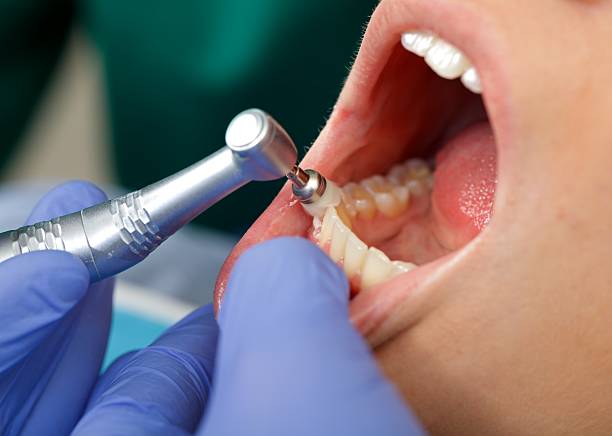
Dental professionals rely heavily on the performance and durability of their equipment. Faulty or outdated tools can lead to inaccurate diagnoses, longer procedure times, and potential safety concerns. By contrast, high-grade dental equipment ensures consistent performance, precision, and minimal downtime.
Patients also notice the difference. Comfortable dental chairs, quiet handpieces, and advanced imaging systems contribute to a stress-free experience. When patients feel comfortable and trust the technology being used, they are more likely to return and recommend your services.
Furthermore, investing in reliable equipment reduces maintenance costs over time. Durable tools require fewer repairs and replacements, making them more cost-effective in the long run.
A well-equipped dental clinic requires multiple types of equipment to operate efficiently. Below are the core categories every practice should consider:
Accurate diagnosis forms the foundation of effective treatment. Digital X-ray systems, intraoral cameras, and advanced imaging devices provide clear and precise visuals. These tools help detect oral health issues early and improve treatment planning accuracy.
Dental chairs are central to both patient comfort and practitioner ergonomics. Adjustable seating, integrated lighting, and smooth positioning systems enhance workflow and reduce physical strain on dental professionals.
High-speed and low-speed handpieces, scalers, mirrors, and forceps are used daily. Choosing ergonomic, lightweight, and durable instruments improves precision while reducing hand fatigue.
Maintaining hygiene standards is non-negotiable in dentistry. Autoclaves, ultrasonic cleaners, and disinfectant systems ensure instruments are properly sterilized. Reliable sterilization equipment protects both staff and patients while meeting regulatory standards.
Daily-use products such as gloves, masks, suction tips, and impression materials support smooth clinic operations. Maintaining consistent stock levels ensures uninterrupted service delivery.
Selecting the right dental equipment requires careful evaluation. Here are some important factors to guide your decision:
Always verify that equipment meets industry standards and certifications. Compliance ensures safety, durability, and reliability.
Modern dental practices benefit from digital integration. Equipment that connects seamlessly with practice management software improves efficiency and patient record accuracy.
Dental professionals often work long hours. Ergonomic tools reduce strain and enhance productivity, contributing to better long-term health for practitioners.
Choose suppliers who provide warranties, technical support, and readily available replacement parts. Efficient after-sales service prevents prolonged downtime.
While cost is a consideration, focus on overall value rather than just initial price. High-quality dental equipment delivers better return on investment over time.
Digital technology has revolutionized the dental industry. Tools such as CAD/CAM systems, 3D imaging, and digital scanners allow for faster, more accurate procedures. These advancements reduce patient chair time and enhance treatment outcomes.
Cloud-based record systems also improve administrative efficiency. By integrating diagnostic tools with digital records, clinics can streamline communication and minimize errors.
Adopting advanced dental equipment ensures your practice remains competitive while offering state-of-the-art treatment options.
Hygiene and safety are critical components of dental care. Sterilization equipment must operate consistently and effectively to prevent cross-contamination. Regular maintenance and monitoring of sterilization cycles help maintain compliance with healthcare regulations.
Using high-quality disinfectants and barrier protections further strengthens infection control measures. Clinics that prioritize safety build stronger reputations and foster patient trust.
Patient satisfaction is closely linked to the quality of equipment used during treatment. Comfortable chairs, precise instruments, and modern imaging tools create a more relaxed environment. Reduced noise levels and efficient procedures minimize patient anxiety.
When patients can see clear digital images and understand their treatment plans, they feel more involved and confident. Modern dental equipment supports transparency and effective communication, strengthening long-term relationships.
Sustainability is becoming increasingly important in healthcare. Many manufacturers now offer energy-efficient devices and environmentally responsible materials.
Clinics can reduce waste by choosing durable, reusable instruments and optimizing sterilization processes. Sustainable practices not only reduce environmental impact but also appeal to environmentally conscious patients.
Choosing the right supplier is just as important as selecting the equipment itself. A reliable supplier offers consistent stock availability, competitive pricing, and expert advice tailored to your practice needs.
Working with a trusted distributor ensures access to a wide range of products that meet professional standards. Reliable partnerships contribute to long-term operational stability and growth.
For clinics seeking dependable supply solutions and professional-grade products, Livingstone International provides comprehensive support tailored to modern dental practices. Partnering with an experienced supplier helps maintain quality, compliance, and efficiency across all aspects of your clinic.
The future of dental equipment lies in automation, artificial intelligence, and minimally invasive technologies. AI-powered diagnostic tools are improving early detection rates, while advanced materials enhance restorative procedures.
Portable and compact devices are also gaining popularity, offering flexibility for mobile or small-scale practices. Staying updated with emerging innovations ensures your clinic remains ahead of industry trends.
Selecting the right dental equipment is a strategic investment that directly impacts patient care, operational efficiency, and long-term profitability. From diagnostic systems and ergonomic chairs to sterilization units and digital technologies, every component contributes to a successful practice.
By focusing on quality, compliance, innovation, and supplier reliability, dental professionals can create a safe and efficient treatment environment. With thoughtful planning and access to trusted solutions, your clinic can confidently deliver exceptional care while staying competitive in today’s evolving dental industry.