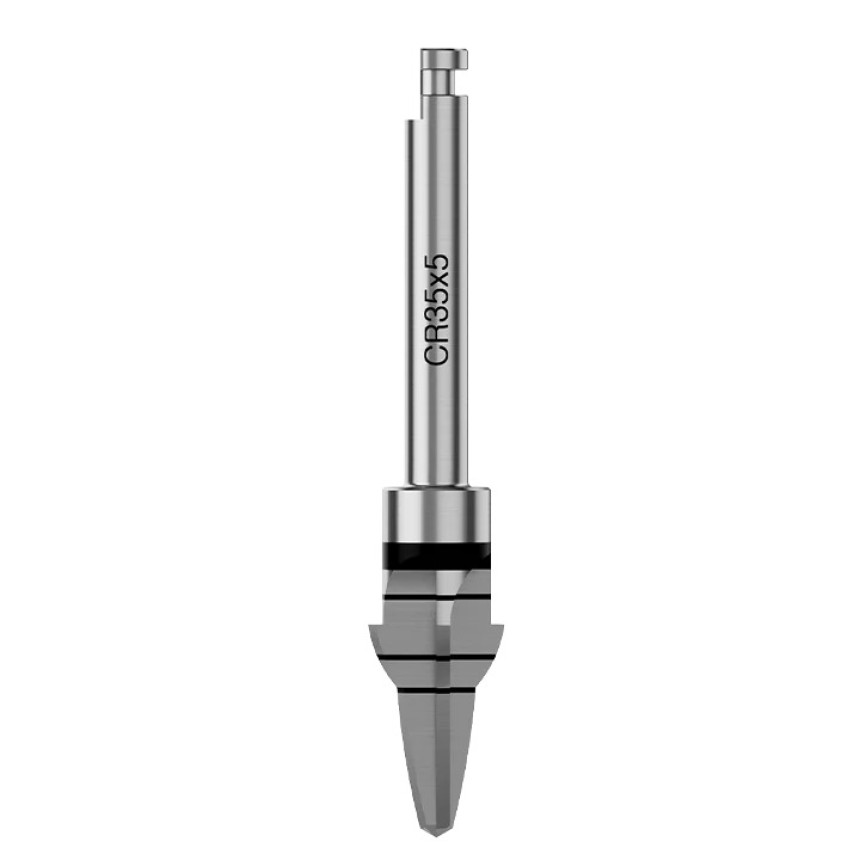

Cortical Release Drills for Safe and Precise Implant Placement
Dental implant procedures require accuracy, control, and careful handling of bone structures. One of the key challenges in implant dentistry is managing dense cortical bone while ensuring strong primary stability. This is where cortical release drills play an important role. These specially designed drills help clinicians prepare implant sites safely while reducing stress on the surrounding bone.
Cortical release drills are increasingly used in modern implant dentistry because they support precise placement and improve overall surgical outcomes.
Understanding Cortical Bone in Implant Dentistry
The human jawbone consists of two main types of bone: cortical bone and cancellous bone. Cortical bone is the dense outer layer that provides strength and protection. While this density is beneficial for implant support, it can also create resistance during drilling.
If excessive pressure is applied during osteotomy preparation, it may lead to:
Bone stress
Microfractures
Heat generation
Reduced healing potential
Cortical release drills are designed to manage this challenge effectively.
What Are Cortical Release Drills?
Cortical release drills are specialised instruments used to gently expand or release tension in the cortical bone layer before final implant placement. Instead of aggressively cutting through dense bone, they help create controlled relief in the cortical area.
Their design allows:
Reduced compression on cortical bone
Controlled expansion
Improved osteotomy accuracy
Enhanced implant fit
By managing cortical tension, these drills make implant placement smoother and more predictable.
Reducing Bone Stress During Surgery
One of the biggest advantages of cortical release drills is their ability to reduce stress within dense bone. Excessive compression can limit blood supply and affect healing.
By releasing cortical tension, these drills help:
Improve blood circulation around the implant site
Lower the risk of bone necrosis
Maintain healthy bone structure
Support faster healing
Healthy bone conditions are essential for long-term implant success.
Improving Primary Stability
Primary stability refers to how securely the implant sits in the bone immediately after placement. It is one of the most important factors in successful osseointegration.
Cortical release drills contribute to stronger primary stability by:
Allowing better implant seating
Creating a more balanced osteotomy
Preventing excessive bone compression
Supporting even load distribution
When implants are placed without unnecessary tension, stability improves naturally.
Enhancing Precision and Control
Precision is critical in implant dentistry. Even small deviations in angle or depth can affect the final outcome. Cortical release drills help clinicians maintain better control during the preparation phase.
They provide:
Smooth entry into dense bone
Reduced resistance while drilling
More accurate angulation
Predictable surgical performance
This level of control is especially important in complex implant cases.
Minimising Heat Generation
Heat production during drilling can damage bone tissue if not properly managed. Excessive heat may delay healing and compromise implant integration.
Cortical release drills help reduce heat by:
Decreasing drilling resistance
Minimising friction
Allowing efficient bone cutting
Combined with proper irrigation, they contribute to a safer surgical process.
Suitable for Dense Bone Cases
Patients with dense cortical bone require special attention during implant preparation. Traditional drilling methods may create high compression forces.
Cortical release drills are particularly beneficial in:
Dense mandibular bone
Cortically dominant ridges
Immediate implant placement cases
Situations requiring high insertion torque control
Their use allows clinicians to manage challenging bone conditions more effectively.
Supporting Long-Term Implant Success
The ultimate goal of implant surgery is long-term success. Proper bone preparation directly influences osseointegration — the process where bone bonds with the implant surface.
By reducing cortical stress and improving implant fit, cortical release drills support:
Better bone-to-implant contact
Reduced post-operative complications
Stronger long-term stability
Improved patient comfort
These benefits make them a valuable part of modern implant systems.
Improving Clinical Efficiency
Efficiency in clinical practice is important for both dentists and patients. Tools that reduce complications and improve predictability save time and enhance workflow.
Cortical release drills help by:
Reducing the need for corrective adjustments
Improving insertion control
Minimising surgical interruptions
This leads to smoother procedures and increased clinician confidence.
Enhancing Patient Experience
Patients may not see the instruments used during surgery, but they benefit from the results. When implants are placed with precision and minimal trauma, patients experience:
Less discomfort
Reduced healing time
Lower risk of complications
Greater satisfaction with outcomes
Safe and precise implant placement contributes to overall treatment success.
Conclusion
Cortical release drills play a crucial role in safe and precise implant placement. By managing dense cortical bone, reducing stress, and improving primary stability, they enhance both surgical accuracy and long-term outcomes.
In implant dentistry, careful bone preparation makes all the difference. Using advanced tools such as cortical release drills allows clinicians to deliver predictable, stable, and successful implant treatments while ensuring patient safety and comfort.
CrownX.com.pk: Exploring Android Games, Mobile Apps, and Digital Enter...
CrownX.com.pk: Exploring Android Games, Mobile Apps, and Digital Entertainment in Pakistan





Folding Box Board Paper Price Trend 2026 | Q3 Forecast, Chart, Prices...
