
Site clearance is the essential first step in any construction or land development project. Whether you're preparing land for residential building, commercial development, or landscaping, proper clearance ensures a safe, efficient, and legally compliant start. This guide walks you through everything you need to know about site clearance Yorkshire, from planning to execution.
What is Site Clearance?
Site clearance involves removing unwanted materials, vegetation, structures, and debris from a piece of land to prepare it for development. This process can include dismantling buildings, clearing trees and shrubs, removing hazardous waste, and leveling the ground.
The goal is to create a clean, safe, and workable environment where construction or landscaping can begin without obstruction.
Why Site Clearance is Important
Before any construction project begins, proper clearance is critical for several reasons:
1. Safety
Removing debris, unstable structures, and hazardous materials reduces the risk of accidents on-site.
2. Regulatory Compliance
Local authorities in Yorkshire require adherence to environmental and construction regulations. Proper clearance helps meet these standards.
3. Efficiency
A cleared site allows construction teams to work faster and more effectively without delays caused by obstacles.
4. Environmental Responsibility
Professional clearance ensures waste is disposed of or recycled in an environmentally friendly manner.
Types of Site Clearance Services
Different projects require different approaches. Common services include:
Vegetation Clearance
This includes removing trees, bushes, roots, and overgrown vegetation. In some cases, stump grinding may also be required.
Building Demolition
Old or unsafe structures are dismantled and removed. This can range from small sheds to large industrial buildings.
Waste Removal
All types of waste—general, construction, or hazardous—are collected and disposed of according to regulations.
Ground Leveling
The land is flattened and prepared for construction, ensuring a stable foundation.
Contaminated Land Clearance
Specialist teams handle land affected by chemicals, asbestos, or other hazardous substances.
The Site Clearance Process
Understanding the process helps you plan better and avoid unexpected issues.
Initial Assessment
Professionals evaluate the site to determine the scope of work, potential hazards, and required equipment.
Planning and Permits
Depending on the project, permits may be needed. This is especially true for demolition or removing protected trees.
Clearance Execution
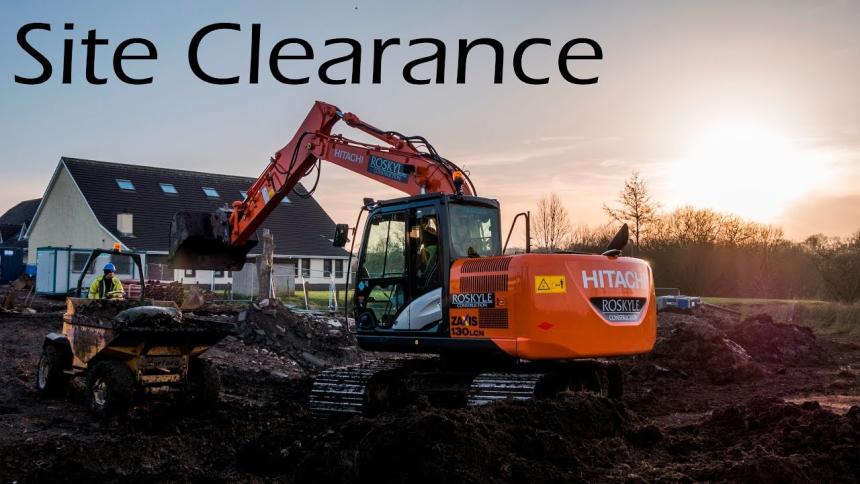
The actual work begins—removing structures, vegetation, and waste using appropriate machinery and techniques.
Waste Disposal and Recycling
Materials are sorted and either recycled or disposed of responsibly.
Final Inspection
The site is checked to ensure it is fully cleared and ready for the next phase.
Equipment Used in Site Clearance
Modern site clearance relies on specialized equipment to improve efficiency and safety:
- Excavators for heavy lifting and demolition
- Bulldozers for leveling land
- Chainsaws and stump grinders for vegetation removal
- Skip loaders for waste transportation
- Crushers for breaking down concrete and rubble
Using the right machinery ensures the job is completed quickly and effectively.
Environmental Considerations
Environmental responsibility is a major concern in Yorkshire. When planning site clearance Yorkshire, consider the following:
Wildlife Protection
Certain areas may be home to protected species. Surveys may be required before clearing begins.
Waste Management
Recycling materials such as wood, metal, and concrete reduces environmental impact.
Soil Preservation
Care should be taken to prevent soil erosion or contamination during clearance.
Noise and Dust Control
Minimizing disruption to nearby communities is essential.
Choosing a Site Clearance Contractor
Selecting the right contractor is key to a successful project. Here’s what to look for:
Experience and Expertise
Choose a company with a proven track record in similar projects.
Licensing and Insurance
Ensure they are fully licensed and insured to carry out clearance work.
Equipment and Resources
A well-equipped contractor can handle projects efficiently and safely.
Environmental Practices
Look for companies committed to recycling and sustainable practices.
Transparent Pricing
Clear quotes with no hidden fees help you stay within budget.
Cost of Site Clearance Yorkshire
The cost of site clearance Yorkshire can vary depending on several factors:
- Size of the site
- Type of materials to be removed
- Complexity of the project
- Accessibility of the location
Need for specialized services (e.g., hazardous waste removal)
Small residential clearances may cost a few hundred pounds, while large commercial projects can run into thousands.
Common Challenges in Site Clearance
Every project comes with its own set of challenges:
Restricted Access
Narrow or difficult-to-reach sites may require specialized equipment.
Hazardous Materials
Handling asbestos or contaminated soil requires trained professionals.
Weather Conditions
Rain and poor weather can delay clearance work.
Legal Restrictions
Protected trees or listed buildings may limit what can be removed.
Proper planning helps mitigate these issues.
Tips for a Successful Site Clearance Project
To ensure your project runs smoothly:
- Conduct a thorough site survey before starting
- Work with experienced professionals
- Obtain all necessary permits
- Plan waste disposal in advance
- Set a realistic timeline and budget
Following these steps can save time, money, and stress.
Future Trends in Site Clearance
The industry is evolving with new technologies and practices:
Sustainable Clearance
Greater focus on recycling and reducing landfill waste.
Advanced Machinery
More efficient and environmentally friendly equipment is being developed.
Digital Planning Tools
Drones and mapping software are improving site assessments and planning.
These innovations are making site clearance Yorkshire more efficient and environmentally responsible.
Conclusion
Site clearance is a crucial step in any development project, setting the foundation for everything that follows. From removing vegetation and structures to ensuring environmental compliance, the process requires careful planning and professional execution.
By understanding the key aspects outlined in this guide, you can approach your project with confidence and ensure a smooth transition from raw land to a ready-to-build site. Whether you're working on a small residential plot or a large commercial development, investing in proper clearance will pay off in the long run.