Comparing Vinyl, Laminate, Hardwood, and Tile Flooring for Durability and Style
dents, water, and long-term foot traffic. The environment in which the material is used—such as a dry bedroom versus a humid laundry room—makes a difference in performance over time.
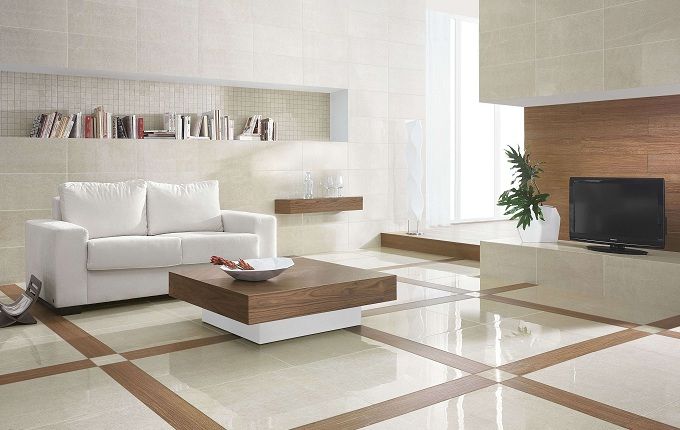
Flooring choice plays a significant role in shaping how a space performs, feels, and looks over time. With high-traffic areas, moisture exposure, and long-term maintenance to consider, selecting between vinyl, laminate, hardwood, and tile is less about trend and more about practicality.
This article compares the durability and visual appeal of these four flooring types, guiding homeowners, builders, and interior professionals through the strengths and trade-offs of each. Whether you're looking for something resilient in busy areas or a surface that adds warmth to your interiors, this breakdown offers practical insights based on real-world use and material characteristics.
Material Durability: How Each Flooring Type Holds UpDurability includes a floor’s ability to resist wear, scratches, dents, water, and long-term foot traffic. The environment in which the material is used—such as a dry bedroom versus a humid laundry room—makes a difference in performance over time.
Vinyl FlooringVinyl is synthetic and constructed to resist water, making it popular in moisture-prone spaces like kitchens, bathrooms, and basements. Luxury vinyl plank (LVP) and tile (LVT) options tend to outperform sheet vinyl in durability. While affordable, its scratch resistance is moderate and can degrade over time if exposed to sharp furniture legs or pet claws. The core remains flexible, allowing it to absorb minor impact, though cheaper products may show wear faster in high-traffic zones.
Laminate FlooringLaminate consists of multiple layers pressed together, including a printed photographic top layer. It is relatively strong under normal foot traffic and works well in living areas and bedrooms. However, its resistance to moisture is lower unless it is specifically marketed as water-resistant. Once water seeps into the seams, swelling or warping is difficult to reverse. It is reasonably scratch-resistant but not ideal for rooms where spills or pet accidents are common.
Hardwood FlooringNatural wood is long-lasting if maintained, but it is not immune to wear. Scratches, dents, and fading can occur over time, especially in homes with pets or heavy foot traffic. Engineered hardwood offers slightly better dimensional stability, but both types require refinishing after years of use. Humidity causes wood to expand and contract, making it unsuitable for bathrooms and laundry rooms. Despite its vulnerability, it can last for generations with periodic maintenance.
Tile FlooringCeramic and porcelain tile are among the most durable flooring materials. They resist water, stains, and heavy impacts. Properly installed tile can last decades without losing performance. Cracking can happen if installed over an uneven subfloor or subjected to direct impact, but in general, tile remains the most resilient choice for high-moisture or high-wear spaces such as entryways and kitchens.
Style Comparison: Visual Appeal and Interior CompatibilityDurability is important, but visual compatibility with your space’s design matters just as much. Each flooring type brings different textures, tones, and finishes that influence the overall aesthetic.

Luxury vinyl options have come a long way in appearance, often mimicking natural wood and stone with high accuracy. Patterns are printed directly onto the plank, and embossing adds surface texture. Though visually appealing, vinyl lacks the depth and variation found in real materials. Still, it's a flexible option for those seeking design variety on a budget.
LaminateLaminate achieves a convincing wood look through photographic layers and textured finishes. It often appears more natural than vinyl at similar price points. However, under certain lighting, it may show repeating patterns or overly shiny surfaces that make it seem less authentic. Newer, matte-finish laminates have addressed this, offering better realism.
HardwoodGenuine wood is unique in both appearance and texture. Grain variations, knots, and natural aging add to its charm and authenticity. Color options range from light maple to deep walnut, and finishes can be customized. While more expensive, hardwood offers a timeless look that adapts well to both classic and modern interiors.
TileTile provides the widest variety of style options, from sleek porcelain to rustic terracotta. Patterns, sizes, and finishes are nearly endless. It can create seamless visual transitions across large areas or serve as a statement piece with bold mosaics. The aesthetic depends not only on the tile itself but on grout choice, which can enhance or tone down contrast.
Installation and Maintenance FactorsHow easy it is to install and maintain your floor impacts both immediate costs and long-term convenience.
Installation ComplexityVinyl and laminate are often marketed as DIY-friendly. Click-lock systems and pre-cut planks simplify the process. Vinyl is lighter and more forgiving over minor subfloor imperfections. Laminate needs a well-prepared surface and underlayment for optimal results.
Hardwood requires experience to install properly. Depending on the plank type, it may need to be nailed, stapled, or glued. Tile installation is the most labor-intensive. Proper layout, mortar setting, and grout application are essential for a long-lasting surface. These typically demand professional installation.
Ongoing Care RequirementsVinyl is low-maintenance. Routine sweeping and damp mopping keep it looking clean. Laminate also requires minimal care, but standing water should be avoided. Hardwood demands more attention—dusting, using wood-specific cleaners, and refinishing every few years. Tile is easy to clean, but grout lines can stain or collect mold if not sealed and maintained.
Comparative OverviewTo summarize performance and characteristics:
 Common QuestionsIs tile too cold for residential spaces?
Tile can feel cold underfoot, particularly in winter. In-floor heating systems can help offset this. In warm climates, tile’s natural coolness is considered a benefit.
Do vinyl floors off-gas harmful chemicals?Some older or cheaper vinyl products may release VOCs. Look for vinyl flooring that is FloorScore or GreenGuard certified for better indoor air quality.
Can hardwood be used in a kitchen?Yes, but it requires caution. Spills should be cleaned quickly, and area rugs can help protect traffic zones. Engineered hardwood is a better option in humid kitchens.
Which type is best for a rental property?Luxury vinyl or laminate are strong options due to their durability and affordability. They require less maintenance and are easier to replace than hardwood or tile.
ConclusionVinyl, laminate, hardwood, and tile each bring different strengths to residential and commercial flooring decisions. Vinyl is highly water-resistant and affordable, making it ideal for kitchens and basements. Laminate mimics wood with better scratch resistance than real wood, but isn’t suitable for wet areas. Hardwood offers unmatched beauty and longevity but needs care. Tile is the most durable option, particularly where moisture or heavy traffic is involved.
Understanding how each performs over time helps match the right material to the demands of a space. Rather than focusing only on price or appearance, consider how often the area is used, exposure to moisture, and how much effort you’re willing to invest in upkeep.
FAQsWhich flooring type lasts the longest?
Tile and hardwood offer the longest service life. Tile can last 50 years or more, while hardwood can last a century with refinishing.
Is laminate better than vinyl for resale value?
Laminate may offer a slight advantage in appearance, but luxury vinyl’s moisture resistance and durability often make it a better choice for buyers today.
Can I install vinyl flooring in a bathroom?
Yes. Vinyl is one of the best options for wet areas because it is fully water-resistant when installed correctly.
What’s the easiest flooring to repair?
Hardwood can be sanded and refinished. Vinyl and laminate require replacing individual planks, which is straightforward if the product is still available.
Does flooring affect indoor air quality?
Yes. Choosing low-VOC certified products and proper installation techniques can reduce harmful emissions, especially with vinyl and laminate products.
Reviewer: Chloe Martinez brings 8 years of experience in home improvement. Feedback from Chloe helped shape this post to better support companies working to strengthen their reputation and expand their reach.