Comparing Insulation Methods: Is Spray Foam Worth It for Colorado Homes?
This guide examines spray foam against other common insulation methods using real-world experience and performance data,
For Colorado homes facing extreme weather shifts, high altitudes, and variable humidity, insulation plays a decisive role in indoor comfort and energy efficiency. Spray foam insulation, particularly closed-cell variants, offers thermal resistance, air sealing, and moisture control in one system—advantages that outperform many traditional materials in these conditions. When evaluating long-term savings, indoor air quality, and structural support, spray foam is a justified investment in Colorado’s diverse climate.
This guide examines spray foam against other common insulation methods using real-world experience and performance data, highlighting the best choice for homes across Colorado’s plains, foothills, and mountainous zones. RIB Spray Foam brings field-tested insights from installing spray foam in everything from high-altitude cabins to lowland ranch homes.
Performance Comparison Table
Insulation Type
R-Value (Per Inch)
Air Sealing
Moisture Resistance
Lifespan
Installation Difficulty
Cost (Per Sq Ft)
Best Use Cases
Closed-Cell Spray Foam
6.5 – 7.0
Excellent
Excellent
50+ Years
Moderate
$1.25 – $1.50
Walls, crawl spaces, attics
Open-Cell Spray Foam
3.5 – 4.0
Excellent
Moderate
30+ Years
Moderate
$0.65 – $0.85
Interior walls, sound control
Fiberglass Batt
2.9 – 3.8
Poor
Poor
15 – 25 Yrs
Easy
$0.40 – $0.60
Standard wall/attic cavities
Cellulose (Blown-In)
3.2 – 3.8
Fair
Moderate
20 – 30 Yrs
Moderate
$0.60 – $0.80
Retrofit attics and wall fills
Rigid Foam Board
4.5 – 6.5
Good
Good
30+ Years
Difficult
$1.10 – $1.40
Foundations, exterior walls
Mineral Wool
3.0 – 3.3
Fair
Excellent
30+ Years
Moderate
$0.75 – $1.00
Fire-resistant applications
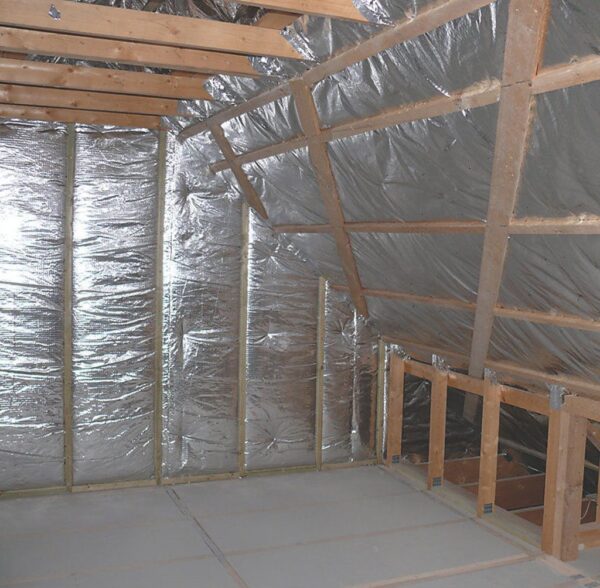
Technical Properties of Insulation Types
Property
Closed-Cell Spray Foam
Open-Cell Spray Foam
Fiberglass Batt
Cellulose
Mineral Wool
Air Barrier
Yes
Yes
No
Partial
Partial
Vapor Barrier
Yes
No
No
No
Yes
Fire Resistance
High (with coating)
High (with coating)
Moderate
Moderate
Very High
Compression Strength
Excellent
Low
Low
Low
Moderate
Mold Resistance
High
Moderate
Poor
Moderate
High
Thermal Drift
None
Low
High
Moderate
Low
Regional Performance Insights
Colorado’s climate spans USDA zones 4–7. In mountain areas like Telluride or Steamboat Springs, the low humidity and sub-zero winters call for higher R-values and continuous air barriers. Closed-cell spray foam excels here, preventing ice damming and maintaining internal comfort.
In flood-prone areas such as basements along the Arkansas River Valley, moisture control becomes critical. Fiberglass and cellulose absorb water and degrade, while closed-cell foam repels moisture and prevents mold proliferation.
Bonus Tip: For homes above 7,000 feet, adjust for lower ambient air pressure during application—this affects foam expansion and cure rate. Only experienced technicians should apply spray foam in high-altitude zones.
Things to Consider Before Making a Decision
- Existing Home vs. New Build: Spray foam is ideal for new construction or gut renovations. For retrofits, blown-in cellulose or batt may be more cost-efficient if structural exposure is limited.
- Moisture Levels: In humid crawl spaces or below-grade areas, closed-cell foam provides insulation and vapor control in one step.
- Budget Constraints: While upfront costs are higher for spray foam, utility savings often offset initial investment within 3–5 years.
- Local Code Requirements: Some Colorado counties require ignition barriers over foam products, which adds to labor and material costs.
- Long-Term Plans: For homeowners planning to stay 10+ years, durability and energy savings make closed-cell foam the most economical.
Bonus Tip: Always evaluate where to insulate based on thermal imaging. Many inefficiencies stem from gaps in corners, rim joists, or wall penetrations—not just attic or wall cavities.
Common Questions Before Choosing Insulation
Is spray foam better for soundproofing?
- Open-cell foam absorbs airborne noise better than other types. Closed-cell performs modestly in this area.
Can insulation be added over existing material?
- Yes, but not all types layer well. Spray foam must adhere to clean, dry surfaces and is usually applied directly to framing.
How fast can insulation be installed?
- Spray foam installs quickly—most residential applications finish within 1–2 days, including curing.
What if my home has knob-and-tube wiring or old ductwork?
- Electrical and mechanical upgrades may be required before spray foam is applied to meet code.

Services for High-Performance Insulation
Closed Cell Spray Foam
- Provides high R-value, vapor barrier, and structural rigidity. Ideal for basements, crawl spaces, and exterior walls in extreme climates.
Residential Spray Foam
- Tailored for whole-home energy efficiency in both remodels and new builds, improving comfort and reducing HVAC loads.
Pole Barn Spray Foam
- Delivers insulation and moisture control for metal structures, reducing condensation and temperature swings.
Crawl Space Spray Foam
- Seals off vented crawl spaces, eliminating drafts, mold risk, and cold floor problems.
New Construction Spray Foam
- Integrates insulation during framing for a seamless thermal envelope, enhancing building performance from the start.
FAQ
What insulation performs best in Colorado’s high-altitude homes?
Closed-cell spray foam performs best due to its superior thermal resistance and airtightness in colder, thinner air conditions.
How long does spray foam insulation last?
With proper installation, spray foam lasts 30–50 years without degrading, unlike fiberglass or cellulose which can sag or settle.
Can I combine spray foam with other insulation types?
Yes. Hybrid systems—such as foam board plus fiberglass—are common when budget constraints or structural conditions require layered solutions.
What maintenance is required after installation?
Spray foam requires no ongoing maintenance. However, periodic checks for mechanical damage or pest intrusion are advised.
Will spray foam change indoor air quality?
Properly installed spray foam improves indoor air quality by sealing out allergens, pollutants, and external moisture, especially in older homes.
Ready to Achieve Year-Round Efficiency?
Understanding how insulation methods stack up is essential for making informed choices in Colorado’s varied climate zones. Apply these insights now: schedule your thermal envelope evaluation with RIB Spray Foam to ensure your home performs under pressure.
Contact RIB Spray Foam
📞 (970) 645-8077
📧 ribsprayfoam@gmail.com
Reviewer:
Grace Walker has been in the spray foam business for 9 years and provided suggestions that helped refine this article’s focus on brand development and simple, consistent marketing efforts.