
Comparing Cellulose vs Fiberglass Blown-In Insulation Performance
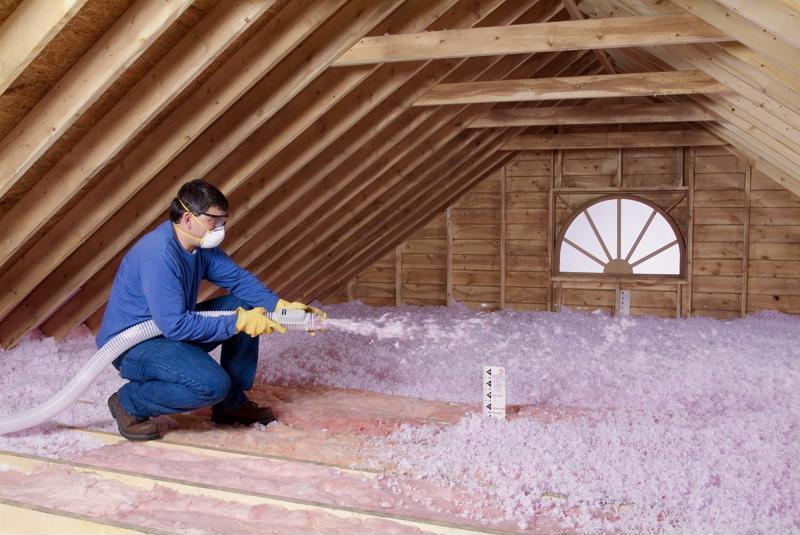
When comparing cellulose vs fiberglass blown-in insulation, the primary distinctions involve density and air filtration. Cellulose generally provides a higher R-value per inch and blocks air movement more effectively than standard fiberglass. However, fiberglass is lighter and does not settle over time, which helps it maintain its initial thermal performance for decades.
Choosing between these materials requires property owners to evaluate the budget, the local climate, and the current state of the attic. The following analysis examines how these materials perform in real-world conditions. Homeowners will find that while both options improve energy efficiency, they react differently to moisture, heat, and aging.
Experts in the field have spent years testing these materials in various residential settings. This information comes from direct industry experience with thousands of homes. Property owners can rely on these details to help make a smart decision for a building.
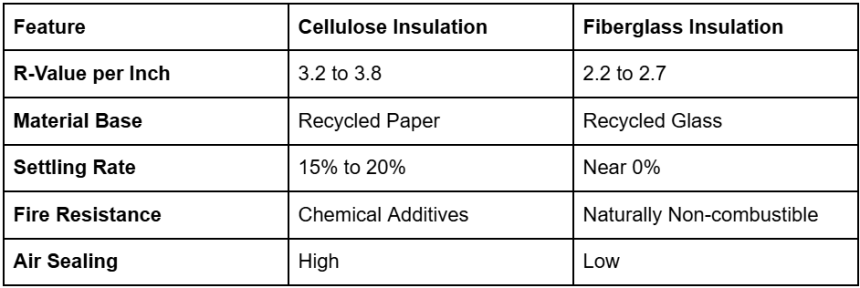
Thermal resistance and air sealing comparisonsThe R-value measures how well a material resists heat flow. In the debate of cellulose vs fiberglass blown-in insulation, cellulose usually wins on pure R-value per inch. It typically offers a rating between 3.2 and 3.8 per inch of thickness. Because the material consists of dense paper fibers, it packs tightly into small gaps.
Fiberglass has a slightly lower R-value, usually ranging from 2.2 to 2.7 per inch. It consists of spun glass fibers that trap pockets of air. While it is less dense, modern blown-in fiberglass insulation has improved significantly. It can reach higher thermal standards if installed at a greater depth than cellulose.
Air sealing is another major factor for home comfort. Cellulose is effective at stopping air from leaking through a ceiling. The dense nature of the wood fibers acts as a natural windbreaker. Fiberglass is more porous, which means air can sometimes move through it if a separate air barrier is not in place.
Industry data shows that dense-packed cellulose can reduce air infiltration by up to 30 percent more than traditional fiber products. This makes it a strong candidate for older homes that have many small cracks or gaps in the attic floor. A heating system may run less often when using a denser material.
 How does attic temperature affect material choice?
Temperature changes can impact how well insulation works. Some materials lose effectiveness when the outside temperature drops to extreme lows. This is often called the convection effect. In very cold climates, air can begin to circulate within the loose fibers of certain insulation types.
Blown-in cellulose insulation installation is often preferred in northern regions because it resists convection better. The fibers are so small and tightly packed that air cannot easily move around inside the layer. This keeps the heat trapped inside the living space.
Fiberglass can sometimes experience a drop in R-value when the temperature difference between the attic and the living space is very high. However, manufacturers have developed high-density versions to address this issue. In a climate with mild winters, this may not be a major concern.
In hot climates, both materials perform well at keeping attic heat out of a home. The key is ensuring enough depth to meet local building codes. Most experts suggest aiming for an R-49 or R-60 rating in the attic, regardless of which material is used.
 Evaluating specific property needs before you decide
Before hiring blown-in insulation services, property owners must examine the physical state of the attic. If a home has had roof leaks in the past, fiberglass might be the safer choice. Fiberglass does not absorb water and dries out quickly if it gets wet. It will not rot or support the growth of mold.
Cellulose is made of paper, which means it acts like a sponge. If a pipe bursts or the roof leaks, cellulose will soak up the water and become very heavy. This can cause ceiling drywall to sag or even collapse. Once it gets wet, the fire-retardant chemicals may wash away, making the material less safe.
Bonus Tip: Always check for existing mold or moisture issues before adding new layers. Adding new material over wet insulation traps moisture and causes structural damage to wood framing.
The weight of the material is also a consideration. Cellulose is much heavier than fiberglass. If a ceiling is made of thin or old plaster, the weight of a thick layer of cellulose might be too much. Fiberglass provides thermal protection with much less physical weight on the ceiling joists.
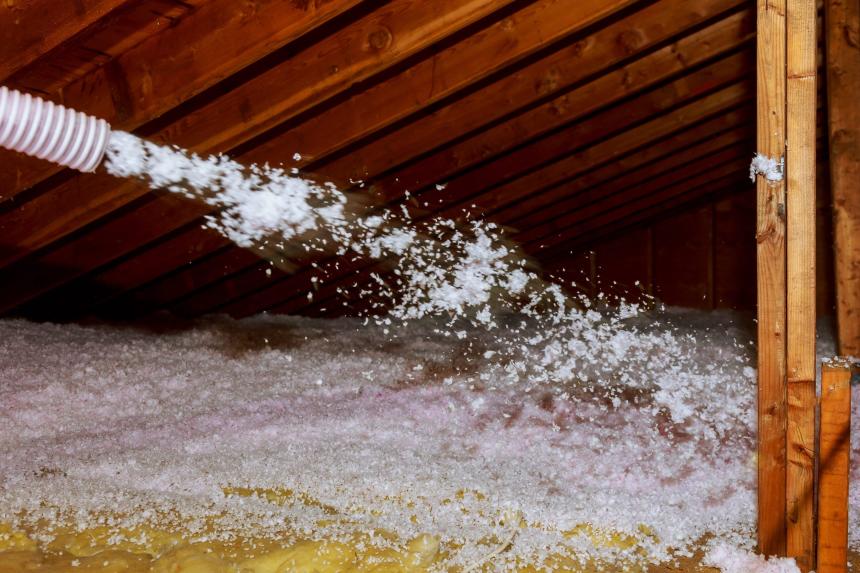
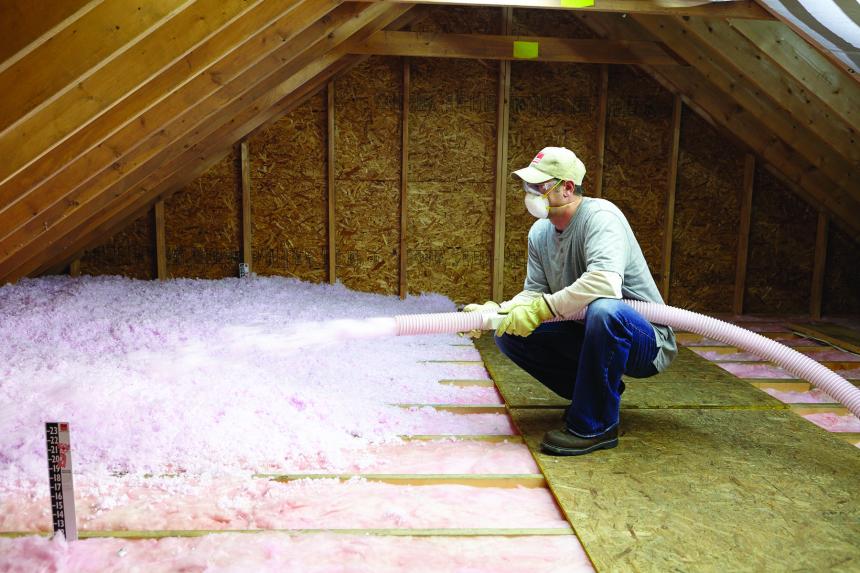
Installation techniques for various materialsThe process for blown-in cellulose insulation installation involves using a large machine that shreds compact blocks of paper. The machine then blows the loose fluff through a long hose. This process is dusty, so installers must wear masks and eye protection to stay safe while they work.
Installing blown-in fiberglass insulation is a similar process, but it uses different equipment. The fiberglass comes in bags and is broken up by the machine before being sent through the hose. Because fiberglass is made of glass, the tiny shards can irritate skin and lungs if the right safety gear is not used.
One benefit of blowing in these materials is that they can cover wires, pipes, and joists without leaving gaps. This is more effective than using fiberglass batts, which often have small spaces around the edges. A continuous layer of material is the best way to prevent thermal bridging in a home.
Professional crews will often install baffles or rafter vents before they start blowing the material. These vents ensure that an attic still has proper airflow from the soffits to the ridge. Without these vents, new insulation could block the air, leading to heat buildup and moisture problems in the summer.
 Moisture management and fire safety standards
Fire safety is a common concern when people consider putting paper in an attic. However, cellulose is treated with boric acid or ammonium sulfate. These chemicals make the paper highly resistant to flames. In some tests, cellulose can slow down a fire more effectively than an empty wall cavity.
Fiberglass is naturally fire-resistant because it is made of glass and sand. It will not melt until temperatures reach well over 1,000 degrees Fahrenheit. It does not require chemical treatments to be safe for a home. This makes it a popular choice for homeowners who want to avoid added chemicals in their living environment.
Bonus Tip: Look for borate-only cellulose to avoid potential smells. Some cheaper cellulose uses ammonium sulfate, which can sometimes produce a faint odor if it gets damp or humid in the attic.
Pests are another factor in performance. The boric acid in cellulose acts as a deterrent for many insects, such as ants or cockroaches. It is not a complete pest control solution, but it does make the attic less attractive to bugs. Fiberglass does not have these properties, though it is not a food source for pests either.
Long-term value and home efficiencyWhen evaluating cellulose vs fiberglass blown-in insulation, it is important to consider how the material will look in ten years. Cellulose settles over time. Most installers will blow in about 20 percent more than needed to account for this. If it starts at 12 inches, it might end up at 10 inches after a few years.
Fiberglass remains stable. It does not lose its loft or thickness over time unless someone steps on it or moves it around. This means the R-value present on day one is likely the R-value that will remain for the life of the home. This stability is one reason why many builders prefer fiberglass.
Environmentally, both choices are effective. Cellulose is usually made of about 80 percent recycled newspaper. Fiberglass is usually made of 40 percent to 60 percent recycled glass. Using these materials helps keep waste out of landfills while lowering a carbon footprint through reduced energy use.
Market data indicates that homeowners typically see a return on their investment within three to five years through lower utility bills. Whether choosing paper or glass fibers, the reduction in heat loss is substantial. An air conditioner and furnace will not have to work as hard to maintain a steady temperature.
Professional guidance for your insulation projectIf property owners are ready to improve home comfort, they should consult with an expert who understands local climate needs. All Foam & Insulation offers a range of options, including blown-in insulation services to help save on energy costs. They can inspect an attic and determine which material fits the budget and structural requirements.
For more information or to request a free quote, the team can be reached directly. Interested parties can call them at (541) 826-9600 or send an email to [email protected] to discuss a project. Their staff can explain the benefits of different materials and help plan an efficient installation that lasts for years.
Attic insulation choices for a comfortable homeChoosing the right material is a balance of performance, safety, and durability. Cellulose offers air sealing and a higher R-value per inch, making it suitable for cold climates. Fiberglass provides long-term stability and moisture resistance, which is helpful for humid areas or homes with older roofs.
Both materials represent a significant upgrade over an empty or under-insulated attic. One should evaluate the specific needs of a ceiling structure and local weather patterns before making a final choice. Investing in a professional installation ensures that the material is distributed evenly and safely.
Common questions about attic insulation materialsIs cellulose insulation safer than fiberglass?
Both are safe when installed correctly. Cellulose is treated with fire retardants to resist flames, while fiberglass is naturally non-combustible. The main safety concern is wearing proper masks during installation to avoid breathing in small fibers or dust.
How long does blown-in insulation last?Most materials will last for 20 to 30 years. Fiberglass tends to last longer because it does not settle or degrade. Cellulose remains effective for decades but may require a small top-off layer after 15 years if it has settled significantly.
Can you mix cellulose and fiberglass in the same attic?Yes, one material can be blown over the other. This is common when a homeowner wants to add R-value to an existing layer of old fiberglass. The heavier material should be on the bottom to prevent crushing the air pockets in the lighter material.
Does blown-in insulation attract rodents?Neither material is a food source for mice or rats. However, any soft material can be used for nesting. Cellulose treated with borates is slightly less attractive to pests, but the best way to avoid rodents is to seal all entry points in a roof and soffits.
How much money can I save with new insulation?Homeowners often save between 15 and 20 percent on monthly heating and cooling costs. The exact amount depends on local utility rates and how much insulation was in the attic before the upgrade. Over several years, the project usually pays for itself.




Dish Network Installers Near Me: Expert Satellite Dish Setup in Sharja...
