
Commercial ADA Signs: What Every Building Owner Needs to Know
At Redheaded Sign Company, our Chicago-based team designs, fabricates, and installs ADA signs every week across active commercial properties
Accessibility is no longer viewed as an optional feature in commercial spaces—it is an essential part of creating an inclusive environment for employees, visitors, customers, and tenants. One of the most overlooked yet critical components of accessibility compliance is proper ADA signage. For building owners, understanding the role of commercial ADA signs can help avoid costly mistakes while improving the overall user experience within a property.
Whether you manage an office building, healthcare facility, retail center, educational institution, or multi-tenant commercial property, ADA-compliant signage plays a significant role in helping individuals navigate spaces safely and independently.
Understanding Commercial ADA Signs
Commercial ADA signs are designed to comply with the standards established by the Americans with Disabilities Act (ADA). These signs provide important information to individuals with visual impairments and other disabilities, ensuring equal access to public and commercial environments.
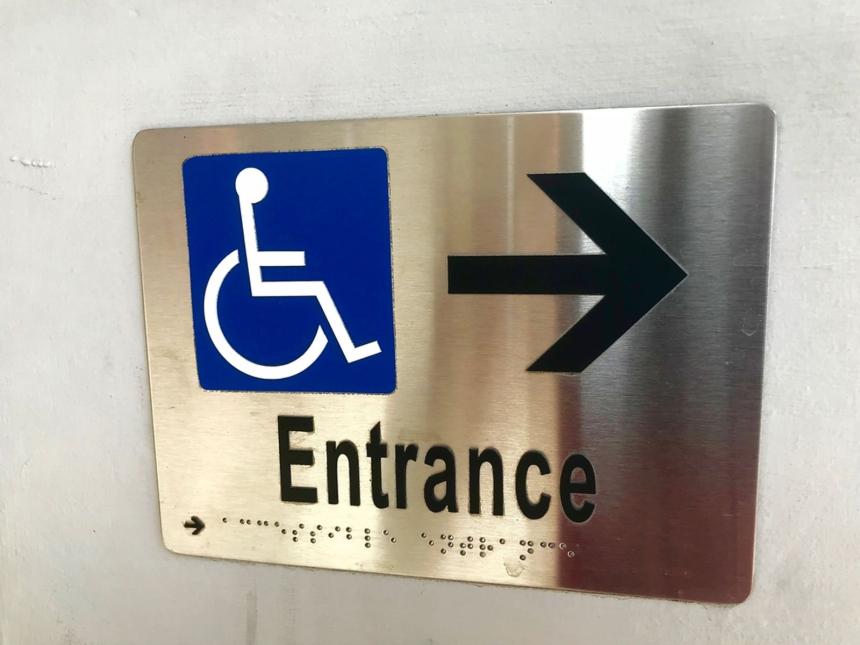
ADA-compliant signs often include tactile lettering, Grade 2 Braille, high-contrast colors, and specific mounting requirements. They are commonly used for permanent room identification, restroom markers, stairwells, exits, and accessibility-related information throughout a facility.
The primary purpose of these signs is not only regulatory compliance but also creating a welcoming and functional environment for everyone who enters the building.
Why ADA Compliance Matters for Building Owners
Failure to comply with accessibility standards can expose property owners to legal risks, fines, and potential complaints. More importantly, non-compliant signage can create barriers for individuals who rely on tactile and visual guidance to navigate a facility.
Proper accessibility signage demonstrates a commitment to inclusion and professional facility management. It also enhances the overall reputation of a commercial property by showing attention to detail and concern for all occupants and visitors.
As accessibility expectations continue to evolve, many organizations are proactively upgrading their signage systems to improve navigation and ensure compliance.
Types of ADA Signs Commonly Required in Commercial Buildings
Different facilities require various forms of compliant signage depending on their layout and usage. Some of the most commonly required signs include:
Room Identification Signs
Permanent spaces such as conference rooms, offices, electrical rooms, storage areas, and restrooms typically require tactile identification signs with Braille.
Restroom Signs
Accessible restroom signage is among the most recognizable forms of ADA-compliant graphics. These signs help individuals quickly identify facilities while meeting accessibility guidelines.
Stairwell and Floor Signs
Multi-story buildings often require stairwell identification signs that communicate floor levels and emergency information. These signs assist occupants during daily navigation and emergency situations.
Exit and Emergency Information
While not all emergency signs fall under ADA regulations, many commercial properties integrate accessible wayfinding elements to improve safety and evacuation procedures.
Directional and Wayfinding Signs
Large facilities often utilize directional systems to guide visitors to entrances, elevators, departments, and amenities. Effective wayfinding improves user experience and reduces confusion.
Key Features of ADA-Compliant Signage
Understanding the design requirements of accessibility signs helps building owners make informed purchasing decisions.
Tactile Characters
Raised lettering allows individuals with visual impairments to identify rooms and locations through touch. Characters must meet specific height and spacing requirements.
Braille Integration
Grade 2 Braille is commonly required on permanent room identification signs. Proper placement and formatting are essential for compliance.
Color Contrast
High contrast between text and background improves readability for individuals with low vision. Sign visibility is a critical aspect of accessible design.
Non-Glare Finishes
Reflective surfaces can make signs difficult to read under certain lighting conditions. ADA standards generally favor matte or non-glare materials.
Proper Installation Height
Sign placement is just as important as design. Mounting signs at the correct height and location ensures they are accessible to all users.
Common Mistakes Building Owners Should Avoid
Many compliance issues occur not because signs are missing, but because they are improperly designed or installed.
Some frequent mistakes include:
- Using decorative fonts that reduce readability
- Installing signs at incorrect heights
- Choosing low-contrast color combinations
- Omitting Braille where required
- Failing to update signage after renovations
- Using temporary signs in permanent locations
Working with experienced signage professionals can help prevent these issues before they become costly problems.
When Should Commercial ADA Signs Be Updated?
Building owners often assume ADA signage only needs attention during new construction. In reality, several situations may require updates or replacements.
Consider reviewing your signage system when:
- Renovating office spaces
- Rebranding a business
- Adding new departments or rooms
- Changing tenant occupancy
- Expanding facilities
- Upgrading wayfinding systems
Regular audits can help identify outdated or damaged signs before they create compliance concerns.
Choosing the Right Signage Partner
Selecting a knowledgeable sign manufacturer is one of the most important decisions a property owner can make. Experienced professionals understand accessibility standards, material durability, installation requirements, and local building considerations.
A trusted Chicago Sign Company can provide guidance throughout the planning, design, fabrication, and installation process, helping ensure every sign meets applicable requirements while complementing the overall appearance of the property.
Final Thoughts
Commercial ADA signs are much more than a regulatory requirement. They are an essential part of creating accessible, user-friendly environments that serve everyone equally. From tactile room markers and Braille signage to wayfinding systems and restroom identification, each sign contributes to a safer and more inclusive experience.
For building owners, investing in compliant signage is a practical step toward reducing liability, improving navigation, and demonstrating a commitment to accessibility. By understanding current requirements and partnering with experienced signage professionals, organizations can ensure their facilities remain welcoming, functional, and compliant for years to come.





Trusted Online Gaming and Casino Platform sunwin
Trusted Online Gaming and Casino Platform sunwin


Huntington’s Disease Treatment Market to Benefit from Advances in Gene...
