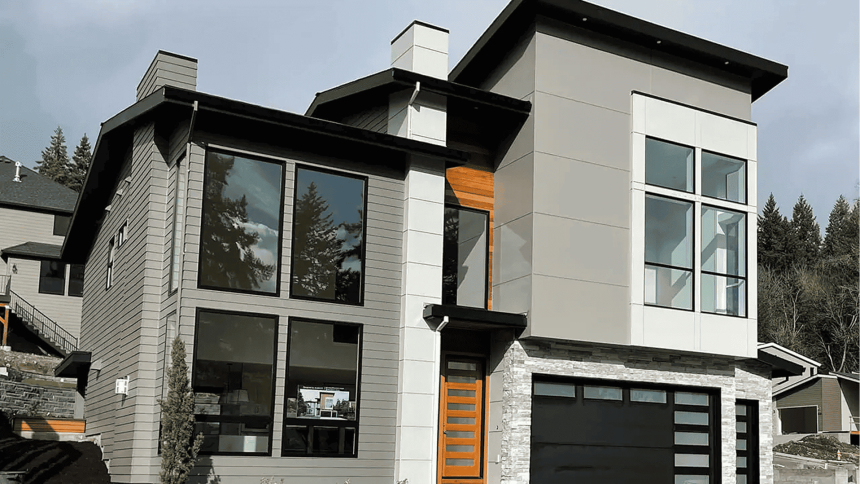

Comfort Begins With the Outer Shell
Comfort inside a home is usually associated with what happens indoors. Heating systems, insulation, windows, even furniture layout tend to get most of the attention. What many homeowners discover only after talking with a siding contractor in Beaverton, OR is that comfort is largely determined before any of those elements come into play. It starts with the outer shell — the structure that controls how the home interacts with weather, air, and temperature every day.
The outer shell defines boundaries. It decides how much cold air reaches interior walls, how quickly heat escapes in winter, and how effectively moisture is redirected after rain. When that shell is inconsistent, the interior has to compensate. HVAC systems run longer. Certain rooms feel harder to regulate. Drafts appear in places that seem unrelated to windows or doors. Over time, this becomes “normal house behavior,” even though it’s actually a sign that the exterior envelope isn’t functioning as a system.
Airflow is one of the most overlooked comfort factors. Gaps in siding, poorly aligned transitions, and aging assemblies allow air to move freely through wall cavities. This movement carries temperature and humidity with it, which is why some areas feel cold in winter and heavy in summer. When the outer shell is rebuilt correctly, airflow becomes controlled instead of accidental. Rooms begin holding temperature naturally, without constant mechanical adjustment.
Moisture behavior plays a similar role. Walls that stay damp longer feel colder and affect indoor humidity. Over time, this changes how the home smells, how finishes age, and even how comfortable it feels to occupy certain spaces. A well-designed exterior allows assemblies to dry between wet cycles. Moisture stops lingering in structural layers, and indoor conditions stabilize quietly.
Noise is another subtle indicator. Wind, rain, and street sounds often feel louder in homes with weak exterior systems. That’s not because the house is thin, but because layers are no longer absorbing vibration correctly. When the outer shell works as a unified structure, sound becomes less intrusive without anyone noticing a specific “upgrade.”
The psychological impact is just as important. Homes with strong exterior systems feel predictable. Storms don’t cause concern. Seasonal changes don’t trigger new issues. Maintenance becomes planned instead of reactive. The house fades into the background of daily life, which is often the clearest sign that comfort has been achieved.
This is why experienced roofing and siding contractors focus on exterior behavior more than interior features. They know that comfort isn’t created by adding more systems inside the house. It’s created by reducing the stress those systems have to manage in the first place.
When the outer shell performs correctly, everything inside becomes easier. Temperature feels consistent. Air feels stable. Noise softens. Moisture disappears as a daily concern. Comfort stops being something you actively manage and becomes something you simply live with. That shift doesn’t come from a single product or upgrade. It comes from the quiet, structural logic of an exterior that finally works as one system.


Departmental PACS Market Size, Share, Trends & Forecast 2033
Departmental PACS Market Size, Share, Trends & Forecast 2033


Customized Festival Tour Packages: Create a Memorable Travel Experienc...
