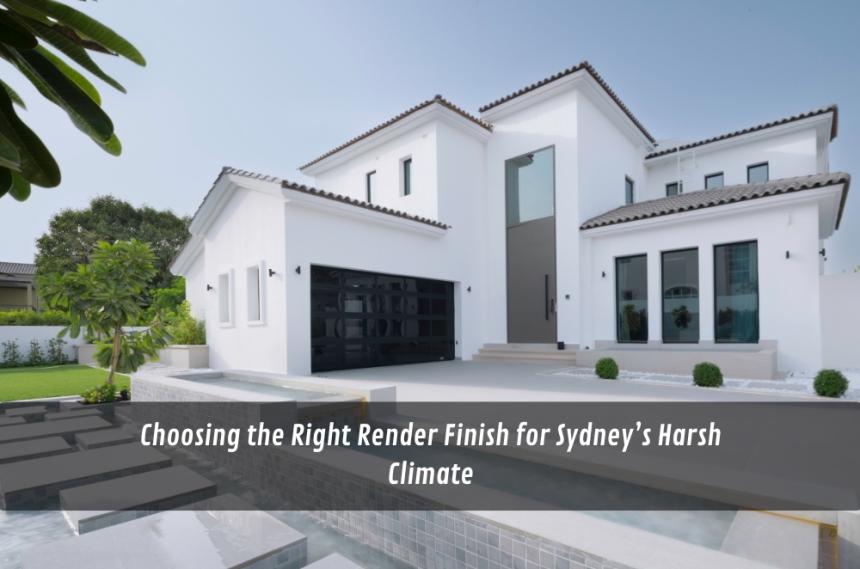

Choosing the Right Render Finish for Sydney’s Harsh Climate
Unsure which render finish will stand up to Sydney’s sun, salt air and sudden downpours? Explore the pros and cons of today’s most popular render textures, see a comparison table, and learn when it’s worth calling in experienced professionals.
Sydney’s streetscapes feature everything from breezy beach cottages to federation terraces and sleek new builds. One design element they often share is a rendered exterior—both for street appeal and an added line of defence against the elements. Yet not all renders are created equal. Climate, building materials and the look you are chasing all influence which finish will continue looking crisp rather than cracked a few summers from now.
Below we unpack how local weather affects façade choices, compare common finishes, and outline when a professional assessment can help you avoid costly re-works. We’ll also explore how comprehensive house rendering services can help homeowners select the most suitable render system for their property, aesthetic goals and long-term durability.
1. How Sydney’s Weather Tests Exterior WallsFrom salty sea breezes in Coogee to the baking western suburbs heat, Sydney homes endure a cocktail of conditions. According to the Bureau of Meteorology, the city averages more than 100 rain days each year, interspersed with UV levels that regularly climb into the “Extreme” category over summer. Moisture cycles followed by intense sunlight can lead to hairline cracking, fading pigments and efflorescence—especially when the wrong render composition is used on the wrong substrate.
Moisture and Salt• Coastal zones experience higher salt deposition, which can cause surface staining and accelerate corrosion of embedded metal elements.
• Traditional cement render can absorb moisture, increasing the chance of bubbling or flaking if not sealed correctly.
Thermal Expansion• Brick, block and lightweight cladding expand and contract at different rates. Flexible acrylic or polymer-modified renders can better accommodate these movements, reducing the risk of spider-web cracks.
UV Degradation• Dark or highly tinted finishes absorb more heat. Pigment-stable additives or specialist topcoats can help colours stay true under prolonged sun exposure.
2. Key Factors When Selecting a Render FinishSelecting a product solely on texture often backfires. Before falling in love with a sample board, consider:
- Substrate compatibility – Is the wall masonry, fibre-cement, EPS panels or a combination?
- Flexibility needs – Will seasonal movement be significant?
- Breathability – Does moisture need to escape through the wall?
- Desired texture and colour – Smooth, scratch, bagged or coarse?
- Maintenance appetite – Are you prepared for regular re-painting or touch-ups?
- Project timeline – Some systems cure faster, helpful when storms are forecast.
Readers wanting a refresher on the broader benefits of protective coating may find this guide on why exterior wall rendering makes sense for Sydney homes useful before drilling into specific finish types.
3. Comparing the Most Popular Render FinishesThe table below summarises how five widely used systems stack up against the practical considerations above.
Render TypeFlexibilityBreathabilityTypical Texture OptionsUV & Fade ResistanceIdeal ApplicationsTraditional CementLowModerateSmooth, bagged, scratchModerate (often painted)Heritage homes, budget projects where minor cracking is acceptableAcrylicHighLow–ModeratePolished, coarse, patternedHigh (integral colour options)Contemporary façades needing vibrant, long-lasting colourPolymer-Modified CementMediumModerateSmooth to mediumHighBrick veneer or blockwork prone to slight movementLime RenderMedium–HighHighSoft, breathable finishModerateSolid brick or stone needing moisture transferInsulated Render System (EIFS)HighLowSeamless, varied grainsHighEnergy-efficient new builds seeking thermal performanceTable: General performance characteristics; always confirm manufacturer specifications for precise data.
4. Matching Texture, Colour and Style to Your HomeBeyond durability, render influences how the entire property feels. A polished acrylic finish can give a minimalist Mosman new build a monolithic look, while a lightly bagged lime render suits the coastal casual vibe of a North Bondi semi. Keep the following in mind:
Architectural EraMatch the granularity and edge detailing to existing trims, parapets and window reveals. Overly smooth finishes can jar against ornate federation detailing, whereas a subtle scratch coat pairs elegantly.
Neighbourhood ContextSome councils encourage tones that soften into the landscape. Natural mineral pigments in lime or polymer renders can deliver earthy hues that weather gracefully.
Future Touch-UpsIntegral colour systems minimise the appearance of small chips. If you plan to refresh colours every few years, a paint-ready cement render remains cost-effective.
5. When to Bring in a ProfessionalDIY patching might fix a small blow-out, but when entire walls are involved—or when moisture keeps reappearing—specialist advice prevents repeating mistakes. An experienced applicator can:
• Test substrate moisture and stability before specifying a system.
• Recommend mesh reinforcement or control joints to stop recurring cracks.
• Apply multi-coat systems under manufacturer warranty conditions.
If you are weighing up whether a flexible polymer render or a breathable lime mix best suits your project, a quick site inspection from trusted house rendering specialists can clarify compatibility and long-term maintenance requirements without locking you into a premature product purchase.
Final ThoughtsRender can be equal parts aesthetic statement and protective shield—provided the finish suits the wall beneath and the climate outside. By understanding Sydney’s moisture cycles, UV intensity and diverse building stock, homeowners can narrow the field to products that look sharp years after the scaffold comes down. When in doubt, seek professional guidance and insist on proper substrate preparation. Your future self (and façade) will thank you.
Durham Taxis For Reliable And Comfortable Local Travel
When you need safe, comfortable, and convenient transport, choosing a reliable Durham taxi...




Advanced Analytics Services for Smarter Business Decisions
Discover how Advanced Analytics Services leverage AI, data governance, MDM, and data quali...