
Choosing the Right Driveway Material: A Complete Guide to Durability, Cost, and Curb Appeal
This article explores the key factors in choosing the right driveway material, focusing on durability, cost, and curb appeal. It compares popular options—concrete, asphalt, pavers, and gravel—highlighting their pros and cons. A concrete driveway stands out for its longevity and low maintenance, while asphalt offers affordability and fast installation. Pavers provide a premium, customizable look, and gravel is a cost-effective solution for rural properties. The article emphasizes the importance of using professional driveway construction services to ensure proper installation and long-lasting results, helping homeowners find the best driveway solutions for their needs.
When planning a new driveway, selecting the right material is a crucial decision that impacts the longevity, appearance, and value of your property. With various options available, it’s important to evaluate each based on factors like durability, maintenance, cost, and aesthetic appeal. Whether you're building a new home or upgrading an existing drive, quality driveway construction services can help you choose the ideal material. Here’s a complete guide to help you make an informed choice.
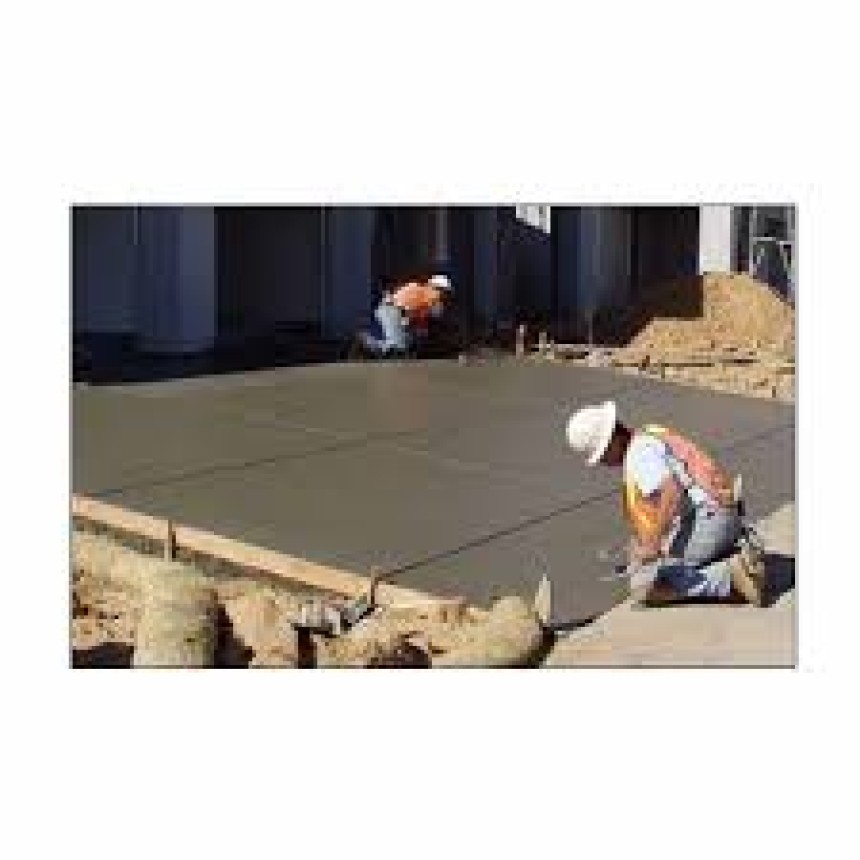
A concrete driveway is one of the most popular and reliable choices for homeowners. Known for its strength and long lifespan, concrete offers a clean, classic look that suits most architectural styles. It's ideal for areas with moderate to heavy vehicle traffic and can last 25–30 years with proper maintenance. Though it has a higher upfront cost compared to some alternatives, its durability and low maintenance requirements make it a cost-effective option in the long run.
Pros:
- Highly durable
- Minimal maintenance
- Can be colored or stamped for decorative appeal
Cons:
- Can crack over time due to weather changes
- Repairs may be visible
- Requires proper installation to avoid issues
Asphalt is another common material known for its affordability and quick installation. It provides a smooth, black finish that enhances curb appeal and is particularly suitable for colder climates, as it handles freezing and thawing better than concrete.
Pros:
- Lower initial cost
- Quick to install
- Easier to repair
Cons:
- Shorter lifespan (15–20 years)
- Requires sealing every few years
- Can soften in extreme heat
Pavers offer a high-end look and customizable design options. They come in a range of colors, shapes, and textures, allowing for unique and attractive patterns. Pavers are durable and easy to replace, making them a premium choice among driveway solutions.
Pros:
- Aesthetic appeal
- Easy to repair individual pieces
- Excellent drainage
Cons:
- Higher upfront cost
- Weeds can grow between joints
- Requires periodic maintenance
Gravel is a budget-friendly option for rural or rustic properties. It's easy to install and offers good drainage but requires regular upkeep to maintain its appearance and usability.
Pros:
- Very affordable
- Excellent drainage
- Quick installation
Cons:
- High maintenance
- Not ideal for urban settings
- Can shift and develop ruts
Selecting the right material depends on your budget, climate, property style, and long-term plans. Working with professional driveway construction services ensures your chosen material is installed correctly and tailored to your specific needs. Experts can also advise on design, drainage, and maintenance to extend the life of your investment.
Your driveway is more than just a path to your garage—it’s a key part of your home’s curb appeal and functionality. By exploring different driveway solutions and working with trusted contractors, you can choose a driveway material that enhances your home’s value while standing the test of time.
Twist, Barrel and Choke: Setting Up the Gun for the Load
The right load still has to suit the barrel. Twist matters for rimfire bullets, and barrel...

Reading a Ballistics Chart: Velocity, Energy, Drop and Wind Without Ge...
Ballistics charts look like a wall of numbers. Four columns carry most of the meaning, and...
Eight Mistakes Buyers Make With Mainstream Rifle Ammunition
Eight Mistakes Buyers Make With Mainstream Rifle Ammunition
Twist Rate, Barrel Length and Bullet: Setting Up a Rifle for the Load
A bullet only flies true if the barrel spins it fast enough. Here is how twist rate, bulle...