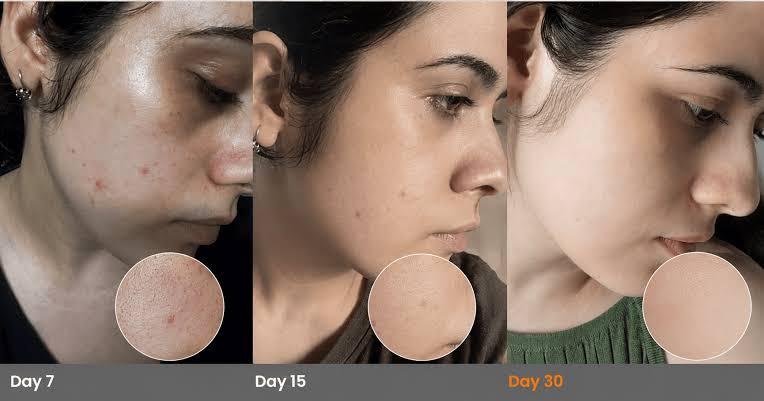

Can Niacinamide Serum Help with Dark Spots?
But does it really work, or is it just another trendy ingredient with a catchy name? We will talk about what niacinamide is, how it might help with acne, and what you can expect if you start using a niacinamide serum each day.
You're not the only one who has ever looked in the mirror and seen a spot on your skin that looks darker than the rest. One of the most common facial problems people look for ways to fix is dark spots. These can be caused by old acne scars, too much sun, or just uneven melanin production. Niacinamide serum is one of the many ingredients that keep appearing in online beauty tips.
What Is Niacinamide?
Niacinamide is a type of vitamin B3, and it is now one of the most common ingredients in skin care products. This ingredient is often found in serums, moisturisers, and even some cleansers because it works well with most skin types, even sensitive skin.
Niacinamide is commonly used in skin care products because it helps protect the skin, reduces the look of redness, and maintains healthy oil production. This is one reason why people with oily skin like it so much. There is no strong acid or scrub in it. It does its work in the background more quietly, which is one reason why it doesn't get in the way of many daily activities.
Is Niacinamide Serum Good for Dark Spots?
This is the question that most people really want to know the answer to, so let's get right to it. The niacinamide cream might help even out skin tone and dark spots over time, but it's not a quick fix, and it doesn't work the same way for everyone.
Sun damage, changes in hormones, or marks left behind after acne heals are just a few of the things that can cause dark spots. Because the cause is different, niacinamide's effectiveness can differ based on the type of pigmentation you have, your skin type, how the product is made, and how often you use it. Some people see a gradual improvement in the tone of their skin after a few weeks of regular use. For others, they may need to add other steps to their routine along with niacinamide to really see a difference.
How Does Niacinamide Work on Uneven Skin Tone?
Without going into too much detail, niacinamide is thought to work by blocking the movement of melanin from cells that make colour to the skin's surface. In simpler terms, it may help slow down how visible new pigmentation becomes, rather than instantly erasing spots that are already there.
This is one reason why niacinamide serum for dark spots is more often called a supportive ingredient than a treatment that works quickly. It works slowly, along with your skin's natural renewal process. Because of this, you need to be more patient than with a physical exfoliant.
Benefits of Using Niacinamide Serum
Helps Improve the Appearance of Uneven Skin Tone
A lot of people say that their skin looks more even after using it regularly. This is generally a gradual shift rather than a sudden change, so it helps to take photos every few weeks instead of judging results day to day.
Supports the Skin Barrier
A healthy skin barrier is what keeps moisture in and irritants out. When your barrier is broken, your skin may look duller and be more likely to get red, which can make discoloration stand out more. Niacinamide helps this barrier, which is one reason why it works well with skin-brightening goals.
May Help with Post-Acne Marks
It is worth separating active acne from post-acne marks. Niacinamide is not typically used to treat active breakouts, but it may help with the flat, discolored marks that acne leaves behind once the breakout itself has healed.
Can Support Overall Skin Appearance
Niacinamide is gentle enough to use every day, so it usually works with other skin care products instead of taking their place. Many people use it alongside a moisturizer and sunscreen as part of a broader approach to skin tone and texture.
How to Use Niacinamide Serum for Dark Spots
It's best to keep things simple:
- Cleanse your skin gently with a mild cleanser.
- Follow the directions on the bottle to use niacinamide serum. Usually, put a few drops on clean, slightly damp skin.
- Follow with a moisturizer to lock in hydration.
- Apply sunscreen in the morning, since sun exposure can make existing dark spots more visible.
Here, consistency is more important than quantity. If you use more of the product than is suggested, it won't work faster and may even make you more sensitive, especially if you are also using other active ingredients.
What Percentage of Niacinamide Is Best?
Niacinamide serums are commonly available in concentrations ranging from around 2 percent up to 10 percent or higher. It is tempting to assume that a higher percentage will always work better, but that is not necessarily true.
Higher concentrations can sometimes lead to irritation, especially for people with sensitive skin, without offering better results meaningfully. Many people do perfectly well with a moderate concentration, and it often comes down to how your individual skin acts rather than chasing the highest number on the label.
Can Niacinamide Be Used Every Day?
Yes, niacinamide can be used every day by most people. In fact, many formulations are made to be used every day. Still, tolerance isn't the same for everyone, and it can also depend on what else is in the product.
If your skin gets red, tight, or irritated after using a niacinamide serum, you might want to cut back to every other day and see how your skin reacts. Because formulations are different, you should always follow the directions on your product.
Niacinamide Serum vs. Other Ways to Treat Dark Spots
Niacinamide isn't the only ingredient linked to skin that looks more even. Vitamin C is often used to make skin brighter, azelaic acid is known to help with both discoloration and acne, retinoids help skin renew itself over time, and alpha hydroxy acids do their job by gently exfoliating the skin.
All of these ingredients work in different ways, and none of them is always the "best" choice for everyone. If you want to mix niacinamide with stronger ingredients like retinoids or AHAs, you should do it slowly so you don't damage your skin's protection.
Don't Forget Sunscreen
No matter which brightening skincare ingredient you use, sunscreen plays a central role in managing the appearance of dark spots. UV exposure can darken existing pigmentation and make it harder for any change to show through.
Sunscreen will not remove dark spots that are already present, but it does help prevent them from becoming more pronounced, which makes it one of the most important steps in any routine focused on skin discoloration.
Common Mistakes to Avoid When Using Niacinamide Serum
- Layering too many active ingredients at once, which can hurt skin rather than help it
- Putting on more serum than the product says to
- Expecting noticeable changes within just a few days
- Not changing your routine when you notice signs of irritation
- Not putting on sunscreen, even when it's cloudy
- Changing products too often before giving someone time to work
When Should You See a Dermatologist?
If you spot pigmentation that is spreading quickly, changing shape or color, or simply not improving despite a consistent routine, it is a good idea to have it checked by a dermatologist. Different people get different kinds of dark spots. A professional can help you figure out what's causing yours and suggest a treatment that will work best for your skin.
Last Words
So, can niacinamide serum get rid of dark spots? For a lot of people, the answer is "yes," at least in some ways. Over time, niacinamide may help make hyperpigmentation look better and support a more even skin tone. However, it works slowly, and results will depend on your skin type and the cause of your discoloration.

What European Manufacturers Need From an Indian Event Partner
European manufacturers expanding in India bring high standards with them. They expect prec...



NBSK Pulp Price Trend Q2 2026 | Global Price Trends, Forecast, Chart,...

BCTMP Price Trend Q2 2026 | Global Price Trends, Forecast, Chart, Pric...