
Buy Barrel Screws in Bulk for Manufacturing & Furniture Production
Learn how to choose barrel screws in bulk, pick the right sizes and materials, and use security fasteners for vehicles.
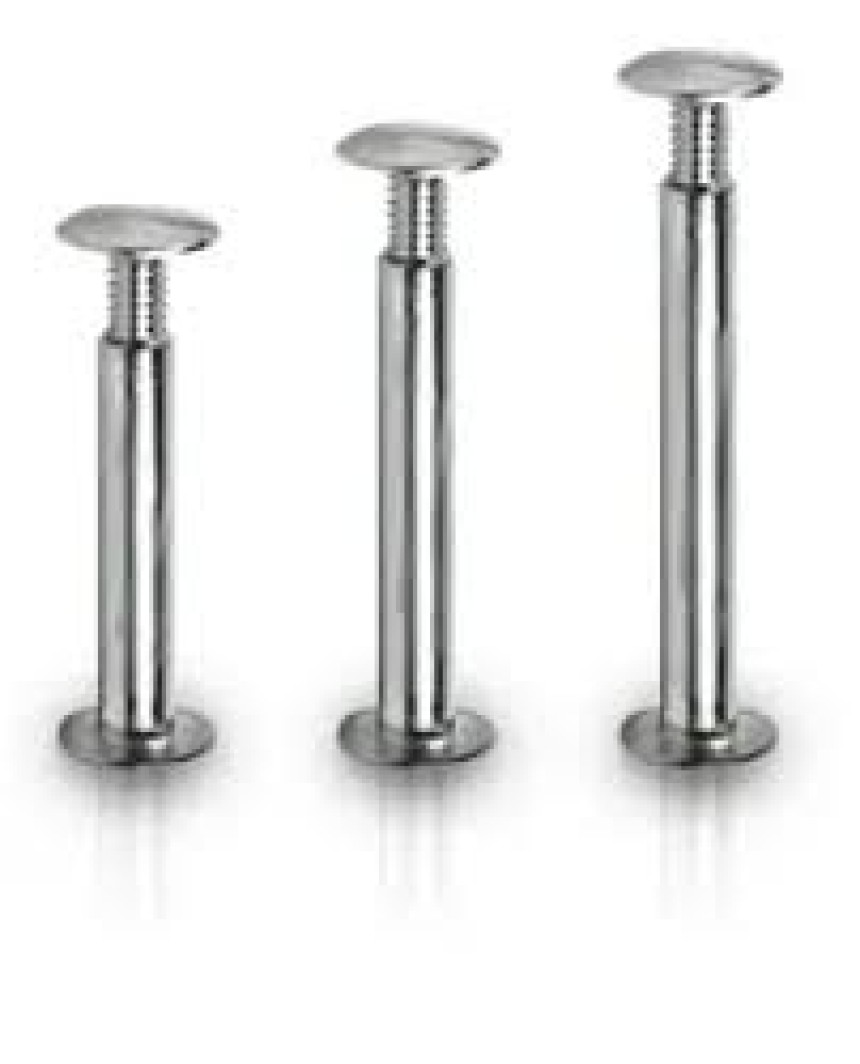
Barrel screws (also called binding posts or Chicago screws) are two-piece fasteners that clamp materials together. One side is the “barrel” with inside threads. The other side is the screw that tightens into it. In U.S. factories and furniture shops, they are popular because they look clean, hold well, and can be removed without damaging the parts.
Loss Prevention Fasteners & Tools focuses on specialty fasteners and matching driver tools, including security styles used in public or high-theft areas. Knowing when to use standard barrel screws versus security fasteners can save time, reduce rework, and prevent missing hardware.
Barrel screws spread pressure across a wider head than many wood screws. That helps stop cracking in wood, plastics, acrylic, and thin metal. They also make it easy to take an item apart for repair, returns, or upgrades.
Common real-world uses include:
- Furniture panels, cabinet sides, and bed frames
- Signs, displays, and menu boards
- Leather goods, straps, and equipment covers
- Access panels where you need repeat opening and closing
Compared with rivets, barrel screws are reusable. Compared with wood screws, they can give a cleaner look and more even clamping when the holes are drilled straight.
How to choose the right barrel screw (size, grip, and head)
In bulk buying, the “almost right” size causes the most waste. The best way is to match three things: diameter, length (or grip range), and head style.
Think about:
- Material thickness (grip): Add the thickness of all layers being joined. Choose a barrel length that fits that stack without bottoming out.
- Thread type and size: Many shops standardize to a few sizes to simplify tooling and inventory.
- Head style: Low-profile heads sit flatter. Wider heads can spread load better on softer material.
- Finish and material: Stainless steel is a top pick for rust resistance. Zinc-plated steel is often used indoors where cost matters more.
If your product ships across the U.S., rust can show up fast in humid states or near the coast. That’s one reason many builders choose stainless for visible hardware.
Bulk purchasing tips that reduce downtime
Buying barrel screws in bulk is not only about price per piece. It’s also about fewer line stops, fewer mismatched parts, and faster assembly.
Here are practical checks that help:
- Order a small test batch first and confirm fit with your real parts
- Standardize driver tools across stations to avoid stripped heads
- Ask for clear labeling by size and finish so your team grabs the right bin
- Keep a small “golden sample” set at the line for quick comparison
Loss Prevention Fasteners & Tools is known for carrying both fasteners and the driver bits that fit them, which matters when you run multiple shifts and can’t afford tool confusion.
When security matters in furniture, fixtures, and equipment
If your product will be used in a school, store, gym, or public space, normal screws can be removed with basic tools. Security fasteners help slow that down and reduce tampering. Many security designs require a matching bit, which is not found in most home toolboxes.
A good rule: if your product is easy to reach and has resale value (or can be taken apart), consider a tamper-resistant drive style.
Choosing screws for license plate (fit, rust, and theft)
For vehicles, screws for license plate should do three jobs: fit the holes, resist rust, and stay put. In many U.S. cars, the rear plate mounts into a plastic or metal bracket, and the wrong screw can strip the hole or crack the frame.
Stainless steel is a smart pick because road spray, salt, and rain can cause rusty streaks. Many drivers also like using a washer or a plate frame to reduce rattling and protect paint.
Common mistakes with screws for license plate installs
A plate is thin, so over-tightening is easy. If the screw head digs in, the plate can bend and the holes can tear over time. Hand-tight is usually enough.
Also watch for mixed metals. When a steel screw sits against certain metals for a long time, corrosion can speed up. If you live in a snowy state where roads are salted, choosing corrosion-resistant hardware matters even more.
Using tamper proof bolts and concrete bolt anchor for outdoor mounting
The phrase tamper proof bolts and concrete bolt anchor comes up a lot for outdoor signs, parking equipment, bike racks, and protective posts. The idea is simple: a security-style bolt helps prevent easy removal, and a concrete anchor helps the hardware hold inside masonry.
For best results, match the anchor to the base material (solid concrete vs. cracked concrete vs. block). Drill the correct hole size, clean out dust, and tighten to the right level so the anchor sets properly without spinning.
Tools, installation, and quality checks (simple but important)
Even the best fastener fails if it’s installed poorly. In production, stripped heads and cross-threading are big time-wasters. In the field, loose hardware becomes a safety issue.
Two easy habits help a lot:
- Start threads by hand for the first turn to avoid cross-threading
- Use the correct bit style and replace worn bits before they slip
Loss Prevention Fasteners & Tools carries many specialty driver styles used with security fasteners, which helps when you need controlled access for maintenance but don’t want “anyone” to remove parts.
Quick wrap-up: picking the right fastener for the job
Barrel screws are a strong, clean-looking choice for furniture and manufacturing builds, especially when you need parts to come apart later. For public installs or outdoor gear, security fasteners and the right anchor method can prevent tampering and improve safety. The best results come from matching size, material, and tools to the real environment where the product will live.

Academic Excellence in AI and Data Science Engineering | HOD's Desk at...

Carbon Fibre Price Trend Q2 2026 | Price Trends, Forecast, Chart, Pric...


How LED Channel Letter Signs Can Enhance Branding and Energy Efficienc...
