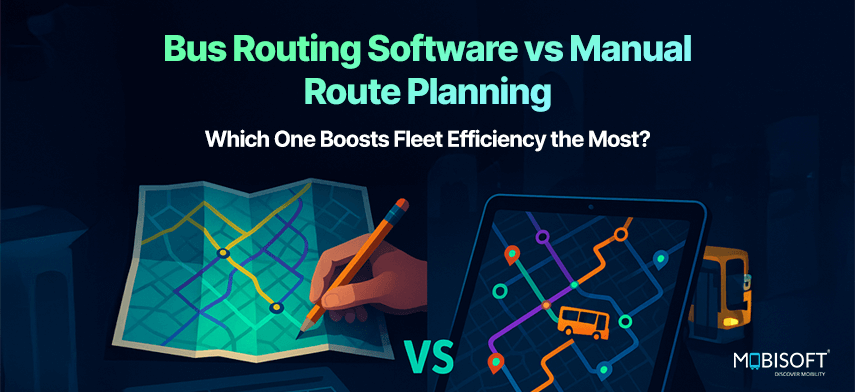

Bus Routing Software vs Manual Planning for Fleets
Compare bus routing software vs manual planning to see how AI route optimization and automated route planning improve fleet efficiency and reduce costs.
Fleet operations often appear simple and efficient from a distance. Behind it, however, lie inefficiencies that consume fuel, effort, and most importantly, time. These issues usually go unnoticed, causing long-term damage. By the time audits are conducted and discrepancies are found, damage is already done. The problem isn't a lack of hard work, but the built-in limits of manual route planning in a world driven by data and connected systems like TMS transportation management systems.
When accuracy, timing, and cost efficiency define success, relying on intuition becomes an operational risk. This discussion extends beyond digital maps or routing tools. It’s about establishing a responsive, analytics-powered framework where decisions are driven by intelligence rather than improvisation.
The real question is no longer whether bus routing software can optimize routes, but whether your existing process can support the precision and scalability required to integrate with an automated transportation management system and fleet operations.
Explore how a powerful route optimization solution can support smarter and more scalable routing decisions.
Why Manual Bus Route Planning Costs More
People praise experience, rightfully so. But experience kept in one's head is fragile. The expertise bottleneck means that if that person is sick, leaves, or retires early, the process collapses. That knowledge lives in mental notes, sticky memos, and a folder labeled “Master Routes,” which is ironic because nothing about it feels masterful when disruption hits.
Micro-cost AccumulationManual planning misses the compounding micro-costs. For example, A left turn on a busy road, ten seconds of idling at a signal, or five extra stops squeezed into one morning route. These sure look insignificant, but add them over months and they become fuel expense, overtime, and wear on vehicles. Nobody set out to waste money. It happened in small, human increments.
Complexity OverloadA road closure can create a domino effect. Rerouting one bus requires redrawing the whole plan, recalculating times, calling drivers, and updating parents or riders. That takes hours. Sometimes an entire day. Growth makes that worse. Add one bus to a network, and the planner’s cognitive load increases exponentially. Complexity multiplies, not linearly, and very soon you’re paying for an architect of exceptions, rather than a strategic operator, an issue avoided with fleet routing software.
Learn how a modern transportation management system helps fleets overcome these operational bottlenecks.
Call software a map if you must, but that understates what it does. Modern fleet optimization software is an optimization engine. They evaluate thousands of variables at once, score trade-offs, and select options that humans would not discover without spending unreasonable time and energy the exact reason fleets adopt route optimization software.
Route OptimizationAt the core, algorithms test possibilities. They factor vehicle specs, passenger numbers, driver hours, mean traffic patterns, and historical delays, then they generate plans that meet constraints while minimizing costs. The algorithms of the bus fleet management software do more than find a path. They find an efficient allocation of limited resources true dynamic route optimization at work.
Real-time Re-routingWhen an incident happens, a bus monitoring system recalculates and pushes new instructions to driver tablets. That cuts confusion and reduces the cascade of delays. Drivers get clear next steps, dispatchers get fewer frantic calls, and passengers see fewer surprises improved through real-time route optimization features.
Data-driven InsightsSoftware also mines data to reveal how capacity is used. Passenger patterns can reveal hidden chances: merge stops with overlap during slow hours, shift start times slightly to gain steady punctuality, or move vehicles to match busy periods better. These steps can cut down the total vehicles needed, pushing back the need for expensive new purchases.
Predictive AnalysisWhen historical traffic, school calendars, or weather patterns suggest likely delay windows, planners can preemptively alter schedules. That means fewer reactive fixes and more predictable operations. Predictable days improve driver retention, and predictable routes keep customers coming back, a key advantage of fleet route planning software.
See how smart systems for bus fleet operators enhance real-time routing and improve daily performance.
The Real ROI: Measuring Impact Beyond Fuel Savings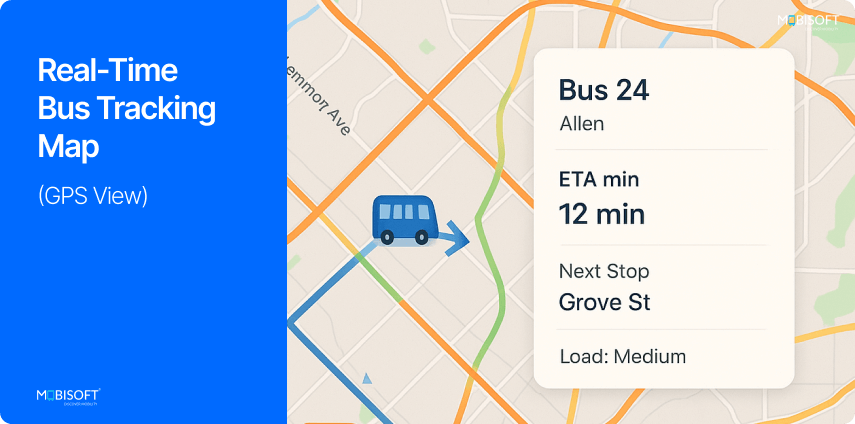
Tech leaders ask for numbers. They want clear returns, not slogans. So let’s talk metrics, and then the softer wins that still affect the bottom line.
Hard metrics to track:
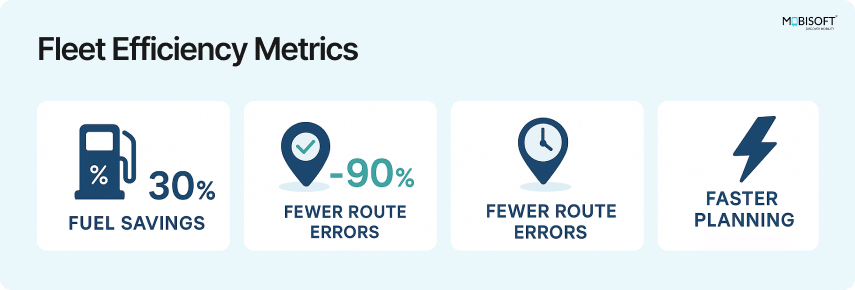
- Cost per mile, which wraps fuel, maintenance, and depreciation into a single efficiency metric. Lower that and you're free to budget for other priorities.
- Vehicle utilization rate. A bus fleet management system ensures each bus works more, not harder, deferring replacement investments.
- Labor hours saved. When planners stop fighting fires, overtime drops. When drivers follow clearer schedules, late arrivals fall.
These are measurable and meaningful. But soft metrics matter too, because they drive durable benefits.

FIFA World Cup Final Tickets: Argentina Moves Closer to FIFA World Cup...


Neurological Rehab in Chennai: Expert Stroke Rehabilitation and Pain M...