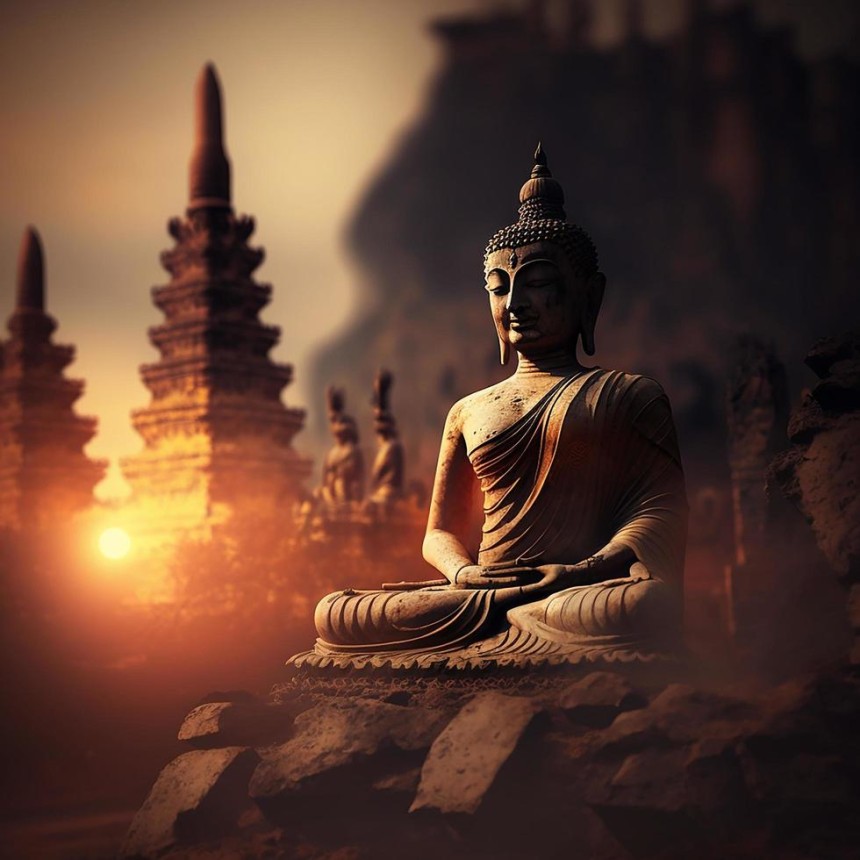

Buddhist Festivals in India: Celebrating Faith, Culture, and Heritage
plan your journey, immerse yourself in the celebrations, and let the teachings of the Buddha inspire your path.
India is the birthplace of Buddhism, and its spiritual traditions continue to thrive across the country. Buddhist Festivals in India are not only religious occasions but also vibrant cultural celebrations that attract pilgrims, travelers, and history enthusiasts from around the world. These festivals honor the teachings of the Buddha, commemorate important events in his life, and showcase the rich heritage of Buddhist communities.
This guide explores the most significant Buddhist festivals celebrated in India, their cultural importance, and how travelers can experience them.
🌄 Why Buddhist Festivals in India Are Special
Spiritual Significance: Commemorate key events in the life of the Buddha.
Cultural Heritage: Blend of rituals, music, dance, and art.
Community Bonding: Bring together monks, pilgrims, and locals.
Tourism Appeal: Attract visitors from across Asia and the world.
Mindfulness & Peace: Offer opportunities for meditation and reflection.
🏛️ Major Buddhist Festivals in India
1. Buddha Purnima (Vesak)
Celebrated on the full moon day in April/May.
Marks the birth, enlightenment, and Mahaparinirvana of the Buddha.
Observed with prayers, meditation, and rituals at Bodh Gaya, Sarnath, and Kushinagar.
Pilgrims light lamps, offer flowers, and participate in chanting sessions.
2. Hemis Festival, Ladakh
Celebrated at Hemis Monastery in June/July.
Honors Guru Padmasambhava, who spread Buddhism in the Himalayas.
Famous for masked dances (Cham), music, and vibrant costumes.
Attracts tourists for its cultural and spiritual significance.
3. Losar Festival (Tibetan New Year)
Celebrated in Ladakh and Sikkim during February/March.
Marks the Tibetan New Year with prayers, dances, and feasts.
Monasteries are decorated, and rituals are performed to ward off evil spirits.
A colorful blend of spirituality and community celebration.
4. Ullambana Festival
Celebrated in monasteries across India, especially in Bihar and Ladakh.
Based on the belief of helping ancestors and departed souls.
Monks chant sutras, and offerings are made to the Sangha.
Promotes compassion and remembrance.
5. Kalachakra Festival
A grand Buddhist initiation ceremony led by the Dalai Lama.
Held in Bodh Gaya and other locations.
Includes teachings, rituals, and meditation sessions.
Attracts thousands of devotees and international visitors.
6. Lhabab Duchen
Celebrates Buddha’s descent from heaven after teaching his mother.
Observed with prayers, rituals, and offerings in monasteries.
Considered highly auspicious for performing good deeds.
7. Magha Puja
Celebrated on the full moon day of Magha (February/March).
Commemorates the spontaneous gathering of 1,250 monks to hear Buddha’s teachings.
Observed with chanting, meditation, and candlelight processions.
🎭 Cultural Highlights of Buddhist Festivals
Rituals: Chanting of sutras, lighting of lamps, and offering of flowers.
Performances: Masked dances, folk music, and traditional plays.
Art & Craft: Monasteries display thangkas (painted scrolls) and sculptures.
Cuisine: Vegetarian meals, butter tea, and festive sweets.
Community Service: Acts of charity and compassion are encouraged.
🌿 Buddhist Festivals and Tourism
Many Buddhist festivals in India are major tourist attractions:
Bodh Gaya during Buddha Purnima: Pilgrims from across Asia gather here.
Hemis Festival in Ladakh: A cultural extravaganza in the Himalayas.
Losar in Sikkim: A blend of Tibetan and Indian traditions.
Kalachakra Festival: International participation with spiritual teachings.
Tourists can experience not only rituals but also local hospitality, crafts, and cuisines during these festivals.
🧭 Best Time to Experience Buddhist Festivals in India
April–May: Buddha Purnima celebrations.
June–July: Hemis Festival in Ladakh.
February–March: Losar and Magha Puja.
Winter Months: Kalachakra teachings often scheduled.
🚗 Travel Tips
Plan trips around festival dates for immersive experiences.
Dress modestly when visiting monasteries and temples.
Respect local traditions and rituals.
Carry cash for donations and small purchases.
Book accommodations in advance during peak festival seasons.
🌟 Offbeat Buddhist Festivals
Chotrul Duchen – Festival of Butter Lamps in Ladakh.
Saga Dawa – Celebrated in Sikkim, marking Buddha’s birth, enlightenment, and death.
Phang Lhabsol – Unique to Sikkim, honoring Mount Kanchenjunga and Buddhist traditions.
Torgya Festival – Celebrated at Tawang Monastery with masked dances.
✨ Conclusion
Buddhist Festivals in India are more than religious events—they are celebrations of peace, compassion, and cultural heritage. From the solemn rituals of Buddha Purnima to the vibrant dances of Hemis, these festivals offer travelers a chance to connect with spirituality while experiencing India’s diverse traditions.
Whether you’re a pilgrim seeking enlightenment, a traveler curious about culture, or a tourist looking for unique experiences, Buddhist festivals in India promise unforgettable memories.
So, plan your journey, immerse yourself in the celebrations, and let the teachings of the Buddha inspire your path.