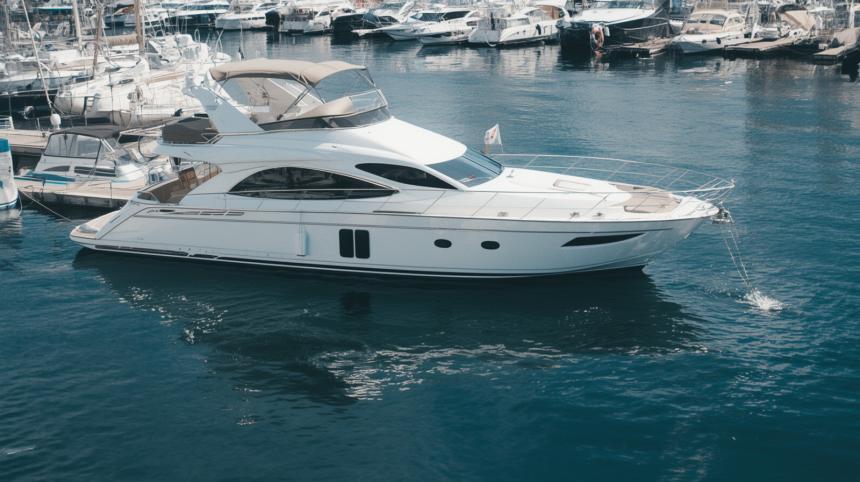

Boat Maintenance Costs by Size: What Owners Should Expect
Owning a yacht is often associated with freedom, adventure, and luxury coastal living. Yet for many first-time buyers, the ongoing financial reality becomes clear only after the excitement of purchase fades.
Quick Answer: Boat Maintenance Cost Overview by Size
- Smaller boats under 25 feet typically have lower annual maintenance costs because they use simpler systems, smaller engines, and require less marina space.
- Boats in the 30–40 foot category often experience the sharpest increase in ownership expenses due to larger engines, additional onboard systems, and higher docking fees.
- Yachts above 50 feet may require professional crew support, advanced mechanical servicing, and specialized marina infrastructure, significantly increasing annual operating costs.
- Storage, insurance, haul-outs, electronics servicing, and emergency repairs are commonly overlooked expenses that can substantially affect long-term ownership budgets.
- Preventative maintenance and realistic financial planning usually reduce total lifetime ownership costs regardless of vessel size.
One of the most common misconceptions among first-time buyers is the belief that maintenance costs increase gradually as boats become larger.
In reality, ownership expenses often rise in major stages rather than small increments.
A compact center console, a mid-size cruising yacht, and a luxury offshore motor yacht may all appear similar in concept, yet their operational costs can differ dramatically because of:
- Mechanical complexity
- Engine size
- Marina requirements
- Structural systems
- Electronics integration
- Crew expectations
Over more than a decade working with yacht buyers, brokers, and long-term owners, I have seen many people focus heavily on purchase price while underestimating the ongoing reality of ownership.
The true financial challenge is rarely the acquisition itself.
The long-term responsibility comes from maintaining the vessel safely, reliably, and comfortably across multiple seasons.
This is why understanding boat maintenance costs by size is critical before choosing a vessel.
Larger boats provide:
- Greater offshore capability
- Improved onboard comfort
- Extended cruising potential
- Luxury accommodations
but they also introduce exponentially higher servicing demands.
Even owners upgrading from a 25-foot recreational boat to a 40-foot cruiser are often surprised by how quickly operational expenses expand.
Understanding where these costs originate allows buyers to make smarter and more sustainable ownership decisions.
Boat size influences almost every category of ownership expense.
As vessels become larger, they require:
- More powerful engines
- Larger fuel systems
- Bigger generators
- Expanded electrical networks
- Additional plumbing systems
- More complex navigation electronics
Each added system increases both maintenance frequency and repair complexity.
For example, a smaller recreational boat may only require:
- Basic engine servicing
- Seasonal cleaning
- Trailer maintenance
Meanwhile, a larger cruising yacht could include:
- Multiple diesel engines
- Air-conditioning systems
- Watermakers
- Stabilizers
- Hydraulic platforms
- Advanced navigation suites
Each of these systems introduces additional labor, servicing schedules, and replacement costs.
Physical size also affects marina pricing and haul-out expenses.
Larger vessels require:
- Wider slips
- Higher-capacity travel lifts
- Specialized storage arrangements
which significantly increases annual operational spending.
One important observation from long-term ownership is that complexity—not simply length—is often the real driver of maintenance cost escalation.
A carefully designed and mechanically simple cruiser may cost far less to maintain than a heavily equipped luxury yacht of similar size.
This becomes especially relevant in the New Yacht market, where modern vessels increasingly include sophisticated digital systems and automation features.
While these technologies improve onboard comfort, they can also increase future servicing requirements as equipment ages.
Smaller recreational boats generally offer the most affordable entry point into boating ownership.
Typical annual maintenance for boats under 25 feet may include:
- Engine oil changes
- Basic winterization
- Battery replacement
- Hull cleaning
- Trailer servicing
- Minor cosmetic upkeep
Because many smaller boats use:
- Outboard engines
- Simpler electrical systems
- Minimal onboard plumbing
maintenance requirements remain relatively manageable compared to larger yachts.
Owners who trailer their boats can often reduce marina expenses substantially by avoiding permanent dockage.
This creates one of the biggest financial advantages of smaller vessel ownership.
In practical terms, annual maintenance costs for smaller boats often range between:
- Several thousand dollars to low five figures depending on usage frequency and engine type.
However, even smaller boats can become expensive if neglected.
Common issues I frequently see include:
- Corrosion from poor flushing habits
- Fuel contamination from improper storage
- Electrical failures caused by battery neglect
- Hull damage from inadequate trailer support
Smaller boats reward consistent care. Owners who follow routine preventative maintenance schedules often enjoy years of relatively low-cost operation.
Another advantage is accessibility.
Smaller vessels are usually easier for owners to:
- Clean personally
- Service independently
- Transport
- Store during off-seasons
This reduces labor dependency and keeps operating costs more predictable.
The 30–40 foot category is where ownership dynamics begin changing significantly.
Many buyers moving into this range experience a major increase in:
- Mechanical complexity
- Fuel consumption
- Dockage pricing
- Annual servicing requirements
This segment is extremely popular because it balances:
- Offshore cruising capability
- Overnight comfort
- Family entertainment space
- Manageable owner operation
However, the operational demands rise substantially compared to smaller recreational boats.
Typical systems aboard vessels in this category may include:
- Twin diesel engines
- Generators
- Air-conditioning systems
- Pressurized water systems
- Advanced navigation electronics
- Hydraulic steering systems
These systems improve comfort and cruising capability, but they also increase the number of components requiring ongoing attention.
One of the most noticeable changes for owners entering this category is fuel usage. A 30–40 foot cruiser operating at planing speed can consume fuel far more quickly than smaller recreational boats, especially during offshore trips or long-distance cruising.
In real ownership situations, annual operating costs in this segment often include:
- Engine servicing and diagnostics
- Generator maintenance
- Bottom paint and hull cleaning
- Air-conditioning servicing
- Dockage and marina fees
- Electronics software updates
- Battery bank replacement
From experience, this size range is where many owners first begin relying heavily on professional marine technicians rather than performing all maintenance independently.
Another important factor is time.
A larger vessel simply requires more labor hours for:
- Cleaning
- Polishing
- Mechanical inspection
- Seasonal preparation
Many first-time owners underestimate how much operational effort increases once onboard systems become more advanced.
Still, this category remains one of the most attractive areas of yacht ownership because it provides:
- Comfortable overnight capability
- Offshore confidence
- Entertaining space
- Family cruising flexibility
without requiring full-time crew management.
For many owners, this becomes the ideal balance between luxury and operational practicality.
Once yachts exceed 50 feet, ownership costs often increase dramatically rather than gradually.
At this level, yachts frequently introduce:
- Crew accommodations
- Multiple generators
- Advanced stabilization systems
- Hydraulic equipment
- Sophisticated electronics networks
- Complex climate-control systems
These vessels operate more like floating luxury properties than recreational boats.
Annual maintenance commonly becomes a six-figure responsibility depending on:
- Cruising schedule
- Yacht age
- Equipment complexity
- Marina location
- Refit requirements
One of the biggest differences at this size is labor dependency.
Owners often require:
- Professional captains
- Marine electricians
- Specialized diesel technicians
- Interior detailing crews
- Hull maintenance contractors
Routine tasks that smaller boat owners may perform personally are usually outsourced on larger yachts due to scale and technical complexity.
Fuel consumption also becomes a major operating consideration.
Long-range cruising yachts with large diesel engines can burn substantial fuel volumes during extended voyages, particularly in rough offshore conditions.
Another major expense category is refit management.
As yachts age, owners often face large-scale upgrade projects involving:
- Electronics replacement
- Interior renovation
- Engine rebuilding
- Stabilization upgrades
- Deck restoration
These projects can dramatically exceed original expectations if not carefully planned.
From long-term ownership observation, the most financially successful large-yacht owners are typically those who:
- Maintain consistent preventative servicing
- Avoid deferred repairs
- Budget conservatively for future upgrades
rather than focusing only on acquisition cost.
Hidden ownership costs are often where first-time buyers experience the greatest financial surprises.
Storage alone can vary dramatically depending on:
- Region
- Climate
- Marina demand
- Vessel dimensions
Boats stored in premium coastal cities or luxury resort marinas may face significantly higher annual costs than similar vessels kept in less competitive regions.
Haul-outs represent another commonly underestimated expense.
Routine haul-outs may be required for:
- Bottom painting
- Propeller servicing
- Hull inspections
- Zinc replacement
- Structural surveys
Larger yachts require:
- Higher-capacity travel lifts
- Specialized yard facilities
- More labor hours
which increases service pricing substantially.
Insurance costs also rise with:
- Vessel value
- Cruising range
- Storm exposure
- Operational complexity
For offshore-capable yachts, insurers may require:
- Professional surveys
- Specific safety equipment
- Navigation restrictions during hurricane seasons
Another overlooked category involves electronics aging.
Modern yachts increasingly depend on:
- Digital switching systems
- Integrated navigation displays
- Networked monitoring systems
- Software-controlled equipment
As these systems become outdated, replacement costs can become surprisingly high.
In many cases, hidden costs accumulate gradually rather than appearing all at once. This makes realistic long-term budgeting essential for sustainable ownership.
The most effective yacht budgets are built around realistic operational behavior rather than optimistic assumptions.
One practical strategy I often recommend is separating ownership expenses into three categories:
Fixed annual expenses:
- Insurance
- Dockage
- Registration
- Basic servicing
Variable operating costs:
- Fuel
- Seasonal travel
- Cruising-related maintenance
Contingency reserves:
- Unexpected repairs
- Equipment replacement
- Emergency haul-outs
- Refit upgrades
A common mistake among owners is budgeting only for predictable expenses while ignoring mechanical uncertainty.
Every yacht eventually experiences:
- Component wear
- Electrical problems
- Cosmetic deterioration
- System failures
The question is usually when—not if.
Larger yachts also require more aggressive contingency planning because repair costs rise alongside vessel complexity.
From experience, financially comfortable ownership comes from leaving room for flexibility rather than operating at maximum budget capacity.
Buyers should also match yacht size to actual lifestyle needs.
A larger yacht may appear attractive initially, but a vessel that exceeds realistic operating comfort can eventually reduce enjoyment.
The best ownership experiences often come from choosing a boat that owners can maintain confidently over many seasons without constant financial stress.
Boat maintenance costs rise significantly as vessels become larger, more complex, and more technologically advanced.
While smaller boats often remain relatively manageable for owner-operated care, mid-size cruisers and large yachts introduce substantial increases in:
- Fuel consumption
- Mechanical servicing
- Dockage fees
- Refit responsibilities
- Professional labor requirements
The key lesson for buyers is that sustainable ownership depends less on purchase price and more on long-term operational planning.
A well-maintained vessel supported by realistic budgeting will almost always provide a better ownership experience than a larger yacht purchased beyond comfortable financial limits.
Understanding the true relationship between vessel size and maintenance responsibility allows owners to choose boats that fit both their cruising goals and long-term financial comfort.
Q1: How much does boat maintenance cost per year?
A1: Annual boat maintenance typically ranges from several thousand dollars for small boats to six figures for large luxury yachts depending on size, usage, and complexity.
Q2: Do larger boats always cost more to maintain?
A2: Generally yes, because larger boats include more systems, higher fuel usage, bigger marina requirements, and increased labor-intensive maintenance.
Q3: What hidden maintenance costs do owners overlook?
A3: Common hidden costs include haul-outs, storage, insurance increases, electronics replacement, emergency repairs, and long-term corrosion or structural maintenance.
Casino en Ligne : Une Plateforme Moderne et Fiable
Casino en Ligne : Une Plateforme Moderne et Fiable