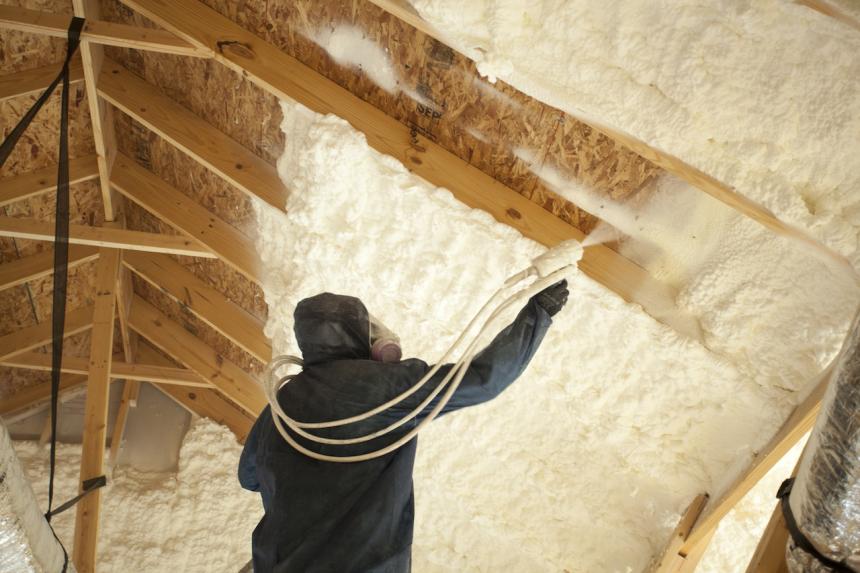

Bi-directional drying: The science of how open-cell spray foam protects roof decks
Bi-directional drying is a process that allows moisture to escape from both the interior and exterior of a roof structure. This occurs because the material remains vapor-permeable, allowing water vapor to escape rather than being trapped against the wood. Open-cell spray foam insulationroof deck protection provides this benefit by creating a thermal seal while still letting the roof assembly breathe.
This article explains the mechanics of vapor movement and why permeability matters for your home. You will learn how professionals apply these materials to prevent rot and manage humidity effectively. Based on years of field observations, industry experts have found that managing moisture flow is just as important as stopping heat transfer.
How bi-directional drying works in spray foam insulation involves the open structure of the foam cells. These tiny, interconnected spaces allow small amounts of vapor to pass through the material. If a roof leak occurs or humidity levels spike, the moisture can migrate into the wood deck and cause decay.
[Image: A cross-section of a roof deck showing open-cell spray foam allowing vapor to pass through both sides]
The mechanics of vapor permeability in roof systemsVapor permeability measures how easily water molecules move through a solid material. Open-cell foam typically has a high perm rating, which is the unit used to track this movement. This rating enables the bi-directional drying process to function effectively throughout the year.
When the sun heats a damp roof, the moisture turns into vapor and moves toward the cooler interior. Conversely, in winter, indoor humidity moves toward the cold exterior. Because the foam is breathable, it does not act as a dam that traps this moisture against the plywood or OSB.
Benefits of open-cell foam for roof deck protectionOne major advantage is the ability to detect leaks early. Because water can travel through the foam, a roof leak will often manifest as a visible drip. This allows you to identify and fix the source of the problem before the structural wood begins to rot.
- It allows for the quick identification of roof penetrations or shingle failure.
- The material reduces the risk of long-term wood saturation and structural failure.
- It improves air quality by reducing the potential for hidden mold growth.
- The foam adds lighter weight to the roof structure compared to denser materials.
This insulation prevents damage by ensuring the wood deck can dry out if it ever gets wet. Closed-cell materials can sometimes trap water against the wood, leading to "silent rot" that you might not notice for years. Open-cell foam avoids this by maintaining a clear path for evaporation.
 Technical specifications of common insulation typesFeatureOpen-Cell Spray FoamClosed-Cell Spray FoamTraditional FiberglassVapor PermeableYesNoYes (but lacks air seal)Air SealingExcellentExcellentPoorPrimary Drying PathBi-directionalOne-way onlyBi-directionalMaterial StructureFlexible / SoftRigid / HardFibrousBonus Tips
To optimize performance, always check your local building codes regarding vapor retarders. In very cold climates, some regions require a vapor-retardant paint over the foam to balance the drying rate.
Managing humidity in unvented attic spacesUnvented attics move the thermal boundary of your home to the roofline. This transition makes the attic part of the conditioned space, which keeps your HVAC equipment in a stable environment. Open-cell spray foam roof deck protection is a standard choice for these assemblies because it seals air leaks while effectively managing moisture.
By sealing the attic, you stop the entry of humid outdoor air during the summer. This reduces the load on your air conditioner and prevents condensation on ductwork. The wood deck remains protected because any incidental moisture can still escape through the foam's porous structure.
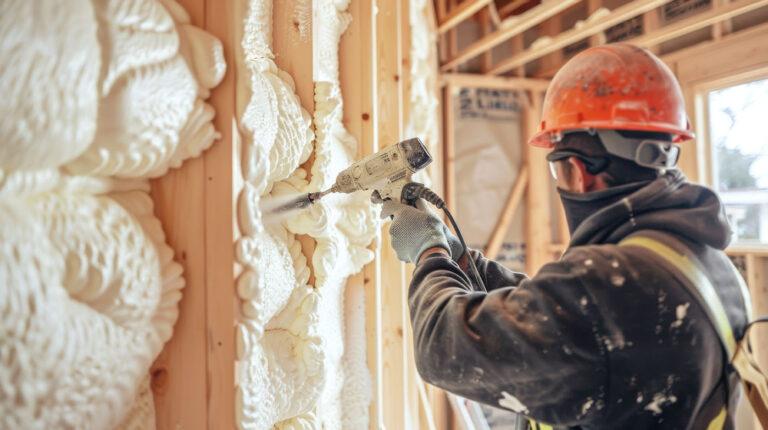
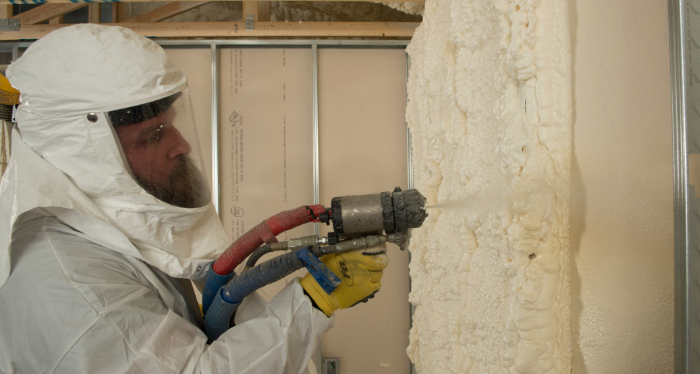
Moisture control insulation service specialists and their roleExperienced installers understand that the thickness of the application is critical to performance. They use specialized equipment to ensure the foam expands correctly and adheres to the underside of the roof. This process creates a continuous layer that stops air movement while allowing for vapor diffusion.
- Professional site assessment to check for existing wood moisture levels.
- Proper masking of items to prevent overspray damage.
- Post-installation checks to ensure the thermal envelope is complete.
Many homeowners opt for these services to lower their energy bills and improve comfort. A sealed roof deck eliminates the "stack effect," where warm air escapes through the top of the house. This makes the temperature in your home more consistent from floor to ceiling.
Using open-cell spray foam roof deck protection also helps with sound dampening. The soft, flexible nature of the foam absorbs noise from rain, wind, and traffic. It provides a quieter living environment while performing its primary task of thermal management.
How to evaluate roof insulation, installation expertsYou should look for teams that have specific training in open-cell applications. These professionals know how to handle the chemical ratios and temperature settings required for a successful installation. A poor mix can lead to shrinking or poor adhesion, which compromises the air seal.
Factors to verify during a consultation- Ask about the specific brand and density of the foam they use.
- Inquire about their ventilation plan for the house during the curing process.
- Check if they provide a warranty on both the material and the labor.
- Confirm they have experience with the specific roof type on your home.
If you have gas-fired appliances in your attic, ensure your contractor discusses combustion air requirements, as sealed how these units breathe.
Thermal performance and long-term savingsThe R-value of open-cell foam stays consistent over time because it does not rely on blowing gases that can leak out. This means the energy savings you see in the first year will likely continue for decades. It is a one-time investment that pays for itself through lower utility costs over time.
Because the material expands to many times its liquid volume, it fills every crack and crevice. This level of detail is impossible to achieve with batts or blown-in cellulose. It creates a "monolithic" layer of protection that keeps your attic at a temperature close to the rest of your house.
 Critical factors to review before choosing an insulation method
Before you commit to a project, assess the current condition of your roof. If your shingles are at the end of their lifespan, it is often better to replace the roof first. Installing foam under a failing roof can make future repairs if the wood is already compromised.
You should also consider your region. In the Pacific Northwest, moisture management is a top priority due to high humidity and frequent rain. Materials that allow for bi-directional drying are often preferred in these environments to keep roof decks healthy and dry.
Open-cell spray foam roof deck protection is an excellent choice for most residential structures. However, you must ensure the attic has a way to manage internal humidity, such as through the home's central air system. An unvented attic is only effective when it functions as part of a managed climate.
Additional InformationOpen-cell foam is generally more cost-effective than closed-cell foam. It uses fewer raw materials to cover the same area, making it a budget-friendly way to achieve a full air seal.
Does this material work for all roof types?Most standard wood-framed roofs benefit from this technology. Whether you have a simple gable roof or a complex hip roof with many valleys, the foam conforms to the shape. This versatility is why open-cell spray foam roof deck protection has become a go-to for modern builders.
Open-cell spray foam contractor services can also be used in crawl spaces and rim joists. This creates a unified strategy for the entire home. When the top and bottom of the house are sealed, the middle remains much easier to heat and cool.
Selecting a qualified provider for your home projectIf you are looking to improve your home's efficiency and protect your structure, reaching out to a local specialist is a smart step. A professional team like Cascadia Spray Foam Insulation of Seattle can evaluate your attic and explain how these systems work in the local climate. They offer expert installation that focuses on long-term durability and moisture management.
You can contact them at (425) 386-3500 or email [email protected] to discuss your needs. Their office is located in the Seattle area, and you can find their exact location on this map: https://maps.app.goo.gl/axDkdWYaW2QvbU1h9. Asking for a free quote is a great way to understand the costs and benefits for your specific property.
Summary of drying science and deck safetyUnderstanding the bi-directional drying process is vital for any homeowner considering an attic upgrade. By allowing moisture to move through the insulation, you protect the wood deck from the risks of trapped water. This science-based approach ensures that your home remains energy-efficient without sacrificing structural health. You should evaluate your current insulation levels and look for signs of air leakage or moisture stress before deciding on a path forward.
Common questions about breathable spray foamHow long does it take for the foam to dry and stop smelling?Most spray foam cures within 24 to 48 hours. During this time, the area should be well-ventilated, and residents are usually advised to stay out of the house.
Will open-cell foam soak up water like a sponge?While it is porous, it does not "wick" water like a sponge. It allows vapor to pass through, but it will not hold liquid water against your roof in a way that promotes rot.
Can I install this over my existing fiberglass insulation?It is usually best to remove old insulation first. This allows the foam to bond directly to the wood and ensures there are no hidden pockets of dust or mold.
Is it safe to have spray foam near electrical wiring?Yes, when installed by professionals, it is safe around standard wiring. The foam is fire-rated and does not pose a hazard to modern electrical systems.
Does the foam lose its R-value over time?Open-cell foam is very stable. Unlike some materials that settle or lose their insulating gases, this foam maintains its shape and performance for the life of the building.

FIFA World Cup Bronze Final Tickets: France and Mbappe Focus on the Fu...

Buy Mini Street Legal Motorcycle for Style, Performance, and Everyday...
Pioneer Power Sports provides Street Legal motorcycle Mini Choppers, Street legal electric...


A Complete Guide to an Engaging Online Gaming Experience
A Complete Guide to an Engaging Online Gaming Experience
