Beyond the Ginseng Cousin: Why 80% HPLC Standard Defines True Notoginseng Extract
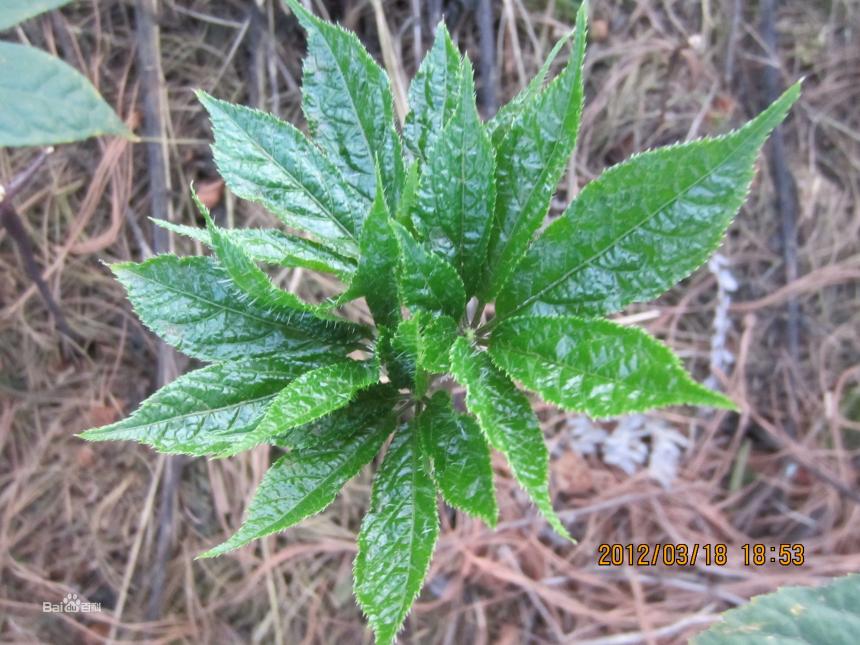
Notoginseng Total Saponins refers to a group of active compounds extracted from the roots of Panax notoginseng, a plant commonly used in traditional Chinese medicine. Notoginseng, also known as Tienchi ginseng, is valued for its potential health benefits and therapeutic properties.
In the world of botanical extracts, percentages can be misleading. A label that reads "80% saponins" might be impressive at first glance, but without the right testing method backing it, that number is just ink on paper. For buyers sourcing from China, the specification that separates serious manufacturers from the rest is not just the percentage—it is the "HPLC" that follows it.
Notoginseng Total Saponins (Panax notoginseng extract) has earned its reputation in both traditional medicine and modern nutraceuticals. Known in Chinese as Sanqi or Tianqi, this botanical relative of Asian ginseng has been used for centuries to address blood stagnation, hemorrhage, and cardiovascular support . But today, the conversation is less about folklore and more about chemistry—specifically, the saponin profile that makes this extract genuinely effective.
The HPLC Difference: Precision Over Guesswork
Here is the reality check many buyers miss. Some suppliers offer "80% saponins" tested by UV spectrophotometry. UV is fast and cheap, but it has a blind spot—it measures total phenolics and saponins together, often inflating numbers by including non-active compounds. A UV-based 80% might actually deliver only 50–60% true saponins when tested properly.
HPLC (High-Performance Liquid Chromatography) changes the game. This method separates and quantifies individual saponins—ginsenoside Rb1, Rg1, Re, Rd, and notoginsenoside R1—giving you a precise fingerprint of what is actually in the drum . When a supplier offers "80% by HPLC," they are making a verifiable claim. For context, reputable manufacturers often provide detailed breakdowns: notoginsenoside R1 at 5% minimum, ginsenoside Rg1 at 25% minimum, ginsenoside Rb1 at 30% minimum, and ginsenoside Rd at 5% minimum, with total saponins reaching 75–80% .
What Those Saponins Actually Do
The science behind notoginseng saponins is well-documented. Research has shown these compounds offer antioxidant, anti-inflammatory, antihypertensive, and hypoglycemic activities . But the most distinctive property is hemostatic—notoginseng is unique among Panax species for its ability to both stop bleeding and promote blood circulation, depending on dosage and application . This dual action comes from specific saponins like notoginsenoside Ft1, which plays a role in vascular homeostasis .
For formulators, this translates into applications ranging from cardiovascular supplements (100–300 mg per serving) to topical anti-inflammatory creams (1–3% concentration) and functional beverages . The 80% HPLC grade is the sweet spot for potency without the cost premium of 90%+ purified isolates.
Sourcing from China: What to Verify
China remains the primary source of notoginseng extract, with the Wenshan region of Yunnan Province producing the highest-quality raw material due to its unique altitude and soil conditions . However, here is what you must confirm before placing a wholesale order:
- Full HPLC profile – Do not accept a single "total saponins" number. Request individual percentages for R1, Rg1, Re, Rb1, and Rd. This is your quality marker.
- Third-party COAs – Reputable suppliers will provide Certificates of Analysis from labs like SGS or Eurofins. Check heavy metals (lead, arsenic, cadmium), microbial counts, and pesticide residues. Yunnan-sourced material grown under forest cultivation typically shows cleaner profiles .
- Plant part transparency – Saponin profiles vary significantly between root, leaf, and flower. Root extracts are standard for cardiovascular applications and contain the full spectrum of notoginsenosides. Leaf extracts are often lower in total saponins (around 12%) and serve different purposes .
- Price expectations – Wholesale pricing for 80% HPLC-grade notoginseng extract typically ranges from $200–$350 per kilogram, depending on order volume and certification (organic, Kosher, Halal). If a price seems too low, question the testing method.
The Bottom Line
Notoginseng Total Saponins 80% HPLC is not a commodity you buy on price alone. It is an investment in formulation integrity. The difference between UV and HPLC testing can mean the difference between a supplement that delivers clinical results and one that delivers disappointment.
When evaluating China suppliers, look for those who volunteer their HPLC data before you ask. Look for traceability back to Yunnan or Guangxi growing regions. And always—always—run your own lab tests on the first batch.
The 80% number is just a headline. The HPLC report is the story. Read it carefully.
Is It Legal to Get a Tinder Account in the US? – The Complete Expert G...
Is It Legal to Get a Tinder Account in the US? – The Complete Expert Guide Online dating...

Buy eBay Seller Account Terms Violation: The Complete Expert Guide
Buy eBay Seller Account Terms Violation: The Complete Expert Guide Selling on eBay can be...
Buy Can You Transfer an eBay Seller Account Legally? – The Complete Ex...
Buy Can You Transfer an eBay Seller Account Legally? – The Complete Expert Guide Selling...
Buy eBay Seller Account Identity Fraud: The Complete Expert Guide
Buy eBay Seller Account Identity Fraud: The Complete Expert Guide Identity fraud on eBay...
Buy eBay Seller Account Scam Review: The Ultimate Expert Guide
Buy eBay Seller Account Scam Review: The Ultimate Expert Guide The world of online sellin...