Best Use Cases for Artificial Turf in Modern Landscaping
This article breaks down the most practical and effective uses of artificial turf in modern landscaping.
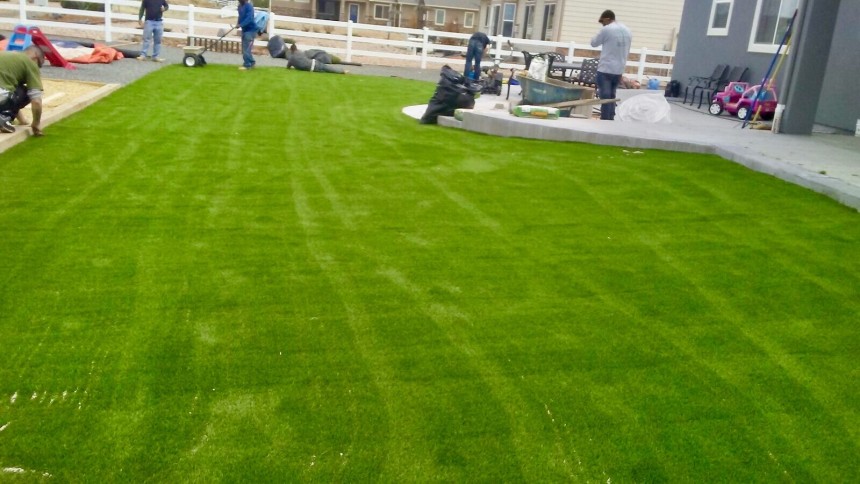
Artificial turf has evolved well beyond its initial use in sports fields and playgrounds. Today, it plays a growing role in both residential and commercial landscaping, helping property owners address practical challenges while meeting design goals. Whether used to cut down on water usage or to create consistently green, low-maintenance spaces, synthetic grass continues to rise in popularity across a range of environments.
This article breaks down the most practical and effective uses of artificial turf in modern landscaping. You'll learn how this material can support functional design in homes, businesses, public spaces, and more—while saving money on upkeep and water over time.
Residential Applications: Artificial Turf at HomeHomeowners are increasingly turning to synthetic grass as a long-term, practical alternative to traditional lawns. Artificial turf helps maintain visual appeal and usability without demanding ongoing irrigation or mowing.
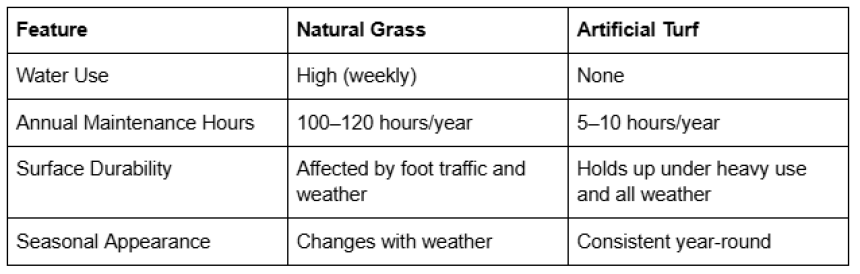
Front and Back LawnsSynthetic turf is ideal for areas where natural grass struggles, such as shaded zones, high-traffic sections, or sloped yards. Unlike sod, turf stays consistent throughout the year.
- Reduces water usage by up to 70%
- Eliminates the need for fertilizer or weed treatments
- Provides a green, uniform look across seasons
Artificial turf offers a durable, hygienic surface for pet zones. Properly installed turf includes drainage layers and antimicrobial infill to manage waste and odors.
- Easy to clean with a hose or mild disinfectant
- Doesn’t develop bald spots or mud patches
- Suitable for dogs with allergies or grass sensitivities
Where soil isn’t viable, turf becomes a key design element. Rooftop or balcony spaces benefit from its light weight and minimal maintenance.
- Adds visual greenery without structural strain
- Provides soft underfoot comfort for foot traffic or kids
- UV-stabilized turf resists fading and wear
Business owners, municipalities, and property managers use artificial turf to meet maintenance goals while keeping outdoor areas clean and accessible.
Office Complexes and CourtyardsIn high-use commercial areas, turf creates professional-looking, usable green space. It reduces liability risks from muddy or uneven ground.
- Requires little upkeep compared to sod
- Stays clean and green year-round
- Helps manage dust and erosion
Safety-certified turf systems for playgrounds reduce injury risk and maintenance needs. These setups include shock-absorbing padding and durable turf layers.
- Meets ASTM standards for fall safety
- Easier to clean than wood chips or sand
- No mud or insects in play zones
Turf works well in high-traffic areas that host outdoor events. It holds up under equipment, tents, and frequent footfall.
- No need to re-sod after each event
- Supports visual consistency in photos and branding
- Easily customized for shapes and layout constraints
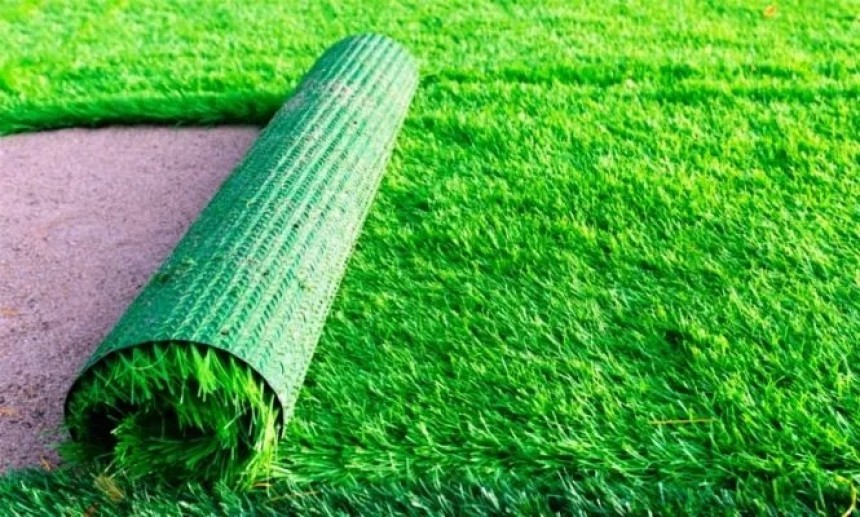 Drought-Prone and Arid Regions
Artificial turf addresses key water-use challenges in dry climates. With water agencies offering rebates and cities tightening water restrictions, it’s become a viable long-term solution.
Water Conservation BenefitsArtificial turf can help reduce residential outdoor water use by over 50%. In drought-stricken states, this contributes significantly to resource preservation.
- No irrigation needed
- Compatible with xeriscaping principles
- Helps homeowners qualify for water-saving rebates
Some turf systems offer fire-resistant materials rated to meet safety standards in wildland-urban interface (WUI) zones.
- Helps create defensible space around homes
- Less flammable than dry grass or mulch
- Contributes to broader fire mitigation plans
Artificial turf fits into various niche use cases where traditional materials fall short.
Putting Greens and Bocce CourtsCustom-cut turf provides a consistent roll and bounce, making it perfect for backyard games or recreational zones in senior living centers.
- No ruts or uneven patches
- Drainage base keeps surface dry after rain
- Minimal grooming required
Natural grass around pools can lead to muddy tracks and high maintenance. Turf offers a clean, low-slip surface that resists chlorine and UV wear.
- No muddy runoff into pool water
- Soft and barefoot-friendly
- Keeps surroundings cooler with light-colored infill options
 Common QuestionsCan artificial turf get too hot in the summer?
Yes, synthetic turf can heat up in direct sunlight. Lighter-colored turf, infill made from sand or organic materials, and shade structures can help reduce surface temperature. Some turf types are designed with cooling technology for this reason.
How long does artificial turf last before replacement is needed?Quality turf products last 15–20 years depending on use, UV exposure, and maintenance. Commercial settings may require more frequent replacement, while residential turf often lasts longer with proper care.
Does synthetic turf drain well during heavy rain?Properly installed artificial turf includes a drainage base that allows water to pass through quickly. In most cases, it drains faster than compacted soil or grass, preventing puddling or erosion.
Is turf installation possible over concrete?Yes, artificial grass can be laid over concrete, balconies, or patios using adhesive or drain mats. It adds cushion and appearance without the need for soil preparation, making it ideal for temporary or lightweight installations.
 Conclusion
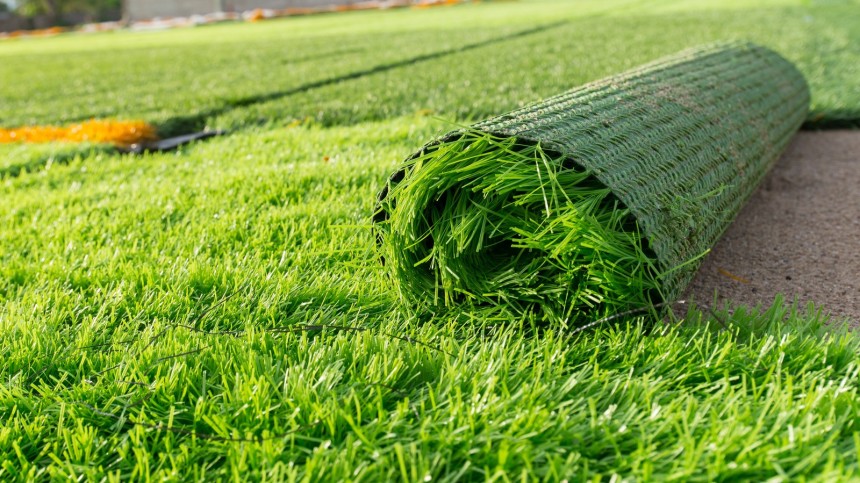
Artificial turf plays a useful role in many landscaping settings, from residential yards and rooftops to school playgrounds and commercial courtyards. It offers practical solutions to water shortages, ongoing maintenance costs, and high-traffic wear.
With growing customization options and performance improvements, artificial turf continues to expand in application. Whether you're addressing utility bills or planning around drought restrictions, synthetic turf offers a long-term option that stays green, functional, and clean.
FAQsCan pets damage artificial turf? Pet activity won't damage modern turf systems. Pet-specific turf is designed to handle waste, digging, and regular use, especially when installed with proper base layers and infill.
Does artificial turf affect soil underneath it? Yes, turf installation typically includes a compacted base and weed barrier, which blocks sunlight and reduces biological activity in the soil. It's not ideal for areas where you plan to return to natural gardening.
Is artificial turf safe for children? Playground-specific turf meets safety guidelines and includes shock-absorbing pads underneath. These materials are non-toxic, lead-free, and designed to reduce impact from falls.
Can weeds grow through synthetic turf? Weed growth is rare with proper installation, but occasional weeds may appear around the edges or in infill. Weed barriers and regular maintenance keep this to a minimum.
What’s the best way to clean artificial turf? Use a leaf blower or stiff broom to clear debris. For stains or pet waste, rinse with a hose and use mild soap if needed. Some turf owners apply enzyme cleaners to reduce odor.
Reviewer: Sophie Williams looked over this post and brought 7 years of field experience to her suggestions, helping ensure the content stays relevant to business owners and practical for everyday use.




From Mine to Market: Tracking the Raw Materials Behind Fertilizer Pric...
Fertilizer prices in October were driven more by government decisions than by farm demand.