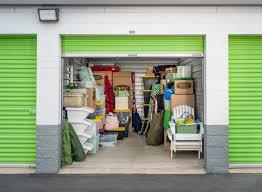

Best Public Storage Unit in Hamilton: How to Choose the Right Storage Solution
Finding the best public storage unit in Hamilton starts with understanding your own storage requirements. Unit size, security, accessibility, cleanliness, loading options, location, and rental flexibility can all influence whether a storage solution is right for you.
Finding the best public storage unit in Hamilton depends on more than simply finding an available space. The right storage solution should match your belongings, access requirements, budget, storage duration, and level of convenience.
Whether you are moving, renovating, downsizing, decluttering, or looking for additional space for a business, a well-chosen storage unit can make managing your belongings much easier.
This guide explains what to look for when comparing storage options in Hamilton and how to choose a facility that suits your specific needs.
What Makes a Public Storage Unit a Good Choice?
Storage needs vary from person to person. A student storing belongings between leases has different requirements from a family moving to a new home or a business storing inventory.
When comparing storage facilities, consider these factors:
- Security and controlled access
- Available unit sizes
- Ease of loading and unloading
- Facility cleanliness
- Location and accessibility
- Rental flexibility
- Storage policies
- Suitability for your belongings
The best public storage unit in Hamilton is ultimately the one that provides the right combination of these features for your situation.
Why Do People Use Storage Units in Hamilton?
Hamilton-area residents and businesses may need additional storage for many different reasons.
Moving Home
Moving dates do not always line up perfectly. A storage unit can provide temporary space when you need to move belongings before your new home is ready.
It can also make a move more manageable by allowing you to move and organize belongings gradually.
Home Renovations
Renovation projects often require furniture and household belongings to be moved out of the work area.
Storing these items separately can create more working space and make it easier to organize the renovation.
Downsizing
Moving from a larger home into a smaller property can leave you with belongings that you aren't ready to sell or give away.
Storage provides an alternative while you decide what to keep, donate, sell, or pass along.
Decluttering
Sometimes the goal isn't a major move or renovation. You may simply need to create more usable space at home.
Seasonal decorations, sporting equipment, furniture, and other infrequently used items can be moved into storage.
Business Storage
Small businesses can also require additional space for inventory, equipment, documents, supplies, and seasonal materials.
A storage unit can provide extra capacity without requiring the business to expand its primary workspace.
How to Find the Best Public Storage Unit in Hamilton
1. Start With the Amount of Space You Need
Before contacting a storage facility, make a basic inventory of everything you plan to store.
Consider large items such as:
- Sofas
- Mattresses
- Appliances
- Tables
- Cabinets
- Business equipment
- Large boxes
Knowing what you are storing makes it easier to compare different unit sizes.
Avoid choosing a unit based only on the number of boxes you have. Furniture and oddly shaped belongings can require considerably more space.
2. Think About How Often You'll Need Access
Your access requirements should influence your choice of facility.
If you are storing items that you won't need for several months, accessibility may be less important.
If you are storing business inventory or belongings you regularly use, convenient access can save considerable time.
Think about your normal travel routes and how easily you can reach the facility.
3. Consider Security Features
Security is an important consideration when storing personal or business belongings.
When comparing facilities, look for features such as:
- Gated property access
- Video surveillance
- Controlled entry
- Secure individual units
- Good lighting
- Well-maintained grounds
Ask the storage provider how customers access the property and what security measures are in place.
4. Look at Loading and Unloading Options
Moving furniture and boxes can be difficult if the facility isn't designed for convenient loading.
Consider whether the facility provides practical vehicle access and suitable areas for loading and unloading.
This becomes particularly important when storing large furniture, appliances, equipment, or business inventory.
5. Check Facility Cleanliness
Clean and well-maintained storage areas can make the entire storage experience easier.
When visiting a facility, look at:
- Hallways and access areas
- Unit condition
- Doors and locks
- Driveways
- Loading areas
- General property maintenance
A facility visit can often tell you more than an online listing.
Choosing the Right Storage Unit Size
One of the most common storage mistakes is choosing a unit without considering how belongings will actually be arranged.
A smaller unit may work well for boxes and smaller belongings, while larger units may be appropriate for household furniture or business inventory.
Don't simply fill a unit from floor to ceiling. Leave enough room to access items when necessary.
A useful organization strategy:
- Place heavier boxes at the bottom.
- Keep frequently accessed belongings near the entrance.
- Label boxes clearly.
- Create a walkway where possible.
- Keep an inventory of important belongings.
Good organization can make a smaller storage space significantly more practical.
What Can You Store?
Storage facilities generally accommodate a wide range of household and business belongings, subject to their individual policies.
Common examples include:
Household Belongings
- Furniture
- Clothing
- Books
- Appliances
- Household boxes
- Home décor
Seasonal Items
- Holiday decorations
- Camping equipment
- Sporting equipment
- Gardening tools
- Patio furniture
Business Items
- Inventory
- Office furniture
- Equipment
- Supplies
- Documents
- Marketing materials
Always check the facility's rules before storing any item, particularly materials that may be prohibited.
Storage for Hamilton-Area Residents
Location matters when choosing storage.
Someone living in Hamilton may compare facilities based on proximity to home, work, major roads, or surrounding communities such as Waterdown, Burlington, and Dundas.
For customers who regularly travel between these areas, Waterdown Self Storage can be one option to consider when comparing nearby storage solutions.
The most convenient facility isn't necessarily the one closest to your home. Consider where you regularly travel and how frequently you expect to visit your unit.
Storage Tips for a Better Experience
A little preparation can make storage much easier.
Label Boxes Clearly
Write the contents on more than one side of each box. Avoid creating a storage unit filled with mystery cardboard.
Create an Inventory
Keep a simple list of important items and where they are located.
Protect Furniture
Use suitable protective materials for furniture and other belongings where appropriate.
Leave Access Space
Avoid blocking everything behind one large stack of boxes.
Keep Important Items Accessible
Items you may need soon should be stored toward the front.
Don't Overload Boxes
Heavy boxes can become difficult and unsafe to move. Use appropriately sized containers and distribute weight where possible.
Questions to Ask Before Renting
Before choosing a storage facility, ask:
- What unit sizes are available?
- What access options are provided?
- What security measures are in place?
- Is vehicle access convenient?
- How does loading and unloading work?
- What rental terms are available?
- Are there restrictions on what can be stored?
- Is the facility suitable for my type of belongings?
Getting these answers in advance can help you make a more informed decision.
Frequently Asked Questions
What is the best public storage unit in Hamilton?
There isn't one storage unit that is best for everyone. The right choice depends on your required space, location, access needs, security expectations, storage duration, and the type of belongings you plan to store.
How do I choose the right storage unit size?
Make an inventory of your belongings and measure large furniture or equipment. A storage provider can then help you determine which available size may be appropriate.
Is self-storage useful during a move?
Yes. Storage can provide temporary space when moving dates don't align or when you want to move belongings gradually.
Can businesses use storage units?
Many businesses use storage for inventory, equipment, documents, office furniture, and supplies, subject to the facility's policies.
Should I visit a storage facility before renting?
Visiting can be helpful because you can evaluate the facility's cleanliness, access arrangements, security features, loading areas, and overall condition before making a decision.
Conclusion
Finding the best public storage unit in Hamilton starts with understanding your own storage requirements. Unit size, security, accessibility, cleanliness, loading options, location, and rental flexibility can all influence whether a storage solution is right for you.
Rather than choosing a facility based on one feature alone, compare the overall experience and consider how the storage space will fit into your daily routine.
For Hamilton-area residents and businesses, Waterdown Self Storage is another nearby option to consider when evaluating storage solutions based on convenience, security, and available space. The best choice is the one that fits your belongings and makes accessing and managing them straightforward.



Eight Mistakes Buyers Make With 6mm and 6.5 Millimeter Ammunition
Most small-bore mix-ups come from shopping by bullet diameter instead of by cartridge name...