Best Kindergarten Activities That Foster Creativity
In this post, we’ll look at a range of creative thinking activities for kindergarten that nurture bright minds.
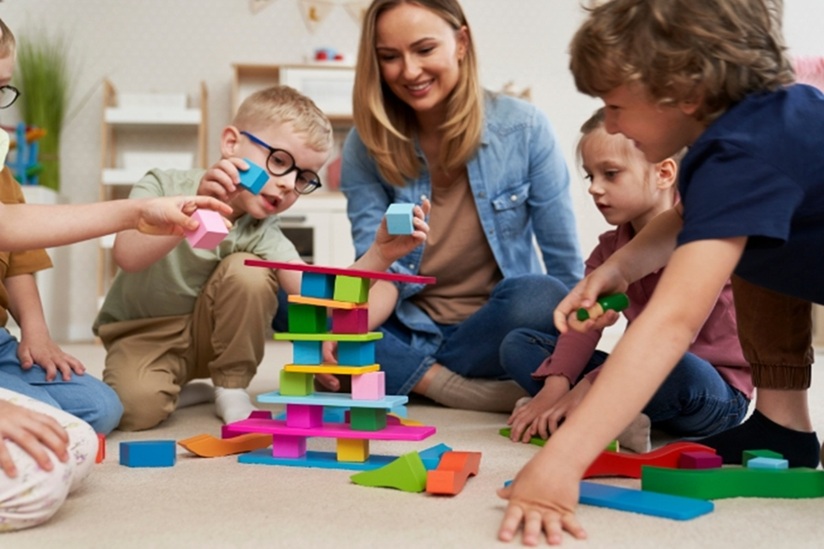
Have you ever watched a child transform a simple cardboard box into a racing car or a pirate ship? Young learners have a natural flair for imagination, and their curious minds are always searching for new ways to explore. When we encourage creativity in kindergarten, we unlock a child’s potential to think independently and communicate ideas in unique ways.
In this post, we’ll look at a range of creative thinking activities for kindergarten that nurture bright minds. You’ll discover how to shape an environment that inspires children to think freely, ask questions, and experiment with new concepts. Plus, we’ll highlight the importance of creative play in building social and problem-solving skills that will last a lifetime.
From simple, low-cost art tasks to more advanced approaches that blend music, drama, and numeracy, we’ve got you covered. You’ll also find practical tips for tackling common challenges, like time limitations or managing resistant children. By the end, you’ll see why creativity is vital not just in the classroom, but in all aspects of a child’s life.
The Importance of Fostering Creativity in Kindergarten
Children in kindergarten are laying the foundations for learning, confidence, and social development. When we talk about creativity, we’re not just talking about painting pictures or making crafts. We’re also focusing on critical behaviours like experimentation, independent thinking, and collaboration.
Why Is Creativity Crucial at an Early Age?
During these early years, children’s brains develop at an astonishing speed. They’re learning language, motor skills, emotional regulation, and social cues, all at once. Encouraging curiosity and imagination makes the most of this rapid development. Activities that incorporate open-ended questions and possibilities—like “What if?”—help children gain the confidence to solve problems in their own unique way. This sense of empowerment can lead to better self-esteem and a willingness to embrace learning challenges in the future.
Creative thinking activities for kindergarten also boost adaptability. Children who engage in imaginative play learn to investigate new ideas and take calculated risks. If an art squiggle doesn’t look as planned, they’ll adapt and turn it into something different. This resourcefulness translates into higher resilience, as they realise setbacks can be transformed into opportunities.
How Do Creative Thinking Activities for Kindergarten Support Overall Development?
By tapping into creative energies, children acquire skills they’ll use for the rest of their lives. Engaging with paint, clay, or colourful paper develops fine motor abilities. Meanwhile, group projects, like working on a big collage together, sharpen communication and cooperation skills. This approach encourages children to consider others’ ideas, compromise, and share materials effectively.
In addition, creative tasks prompt emotional growth. Children learn to express themselves through colours, shapes, and stories. They discover that their viewpoints matter, which helps them become more self-assured. Ultimately, kindergarten school activities that promote open-ended exploration nurture the whole child—mind, body, and spirit—and set the tone for future success.
Setting the Stage for Creative Exploration
A child’s environment has a massive influence on how they learn and imagine. Whether you’re in a buzzing Australian kindergarten centre or creating a learning nook at home, the setup of the space matters. When children feel comfortable and inspired, magic happens.
Low Hanging Fruit: Simple Creative Thinking Activities for Kindergarten
Sometimes simple activities deliver the most powerful results. You don’t need elaborate gear or a ton of time. By making use of everyday objects, you’ll show children that creativity is all around them, waiting to be discovered.
Innovative Ideas for Kindergarten Using Everyday Items
Paper Plate Faces: Hand out paper plates, markers, and scraps of fabric. Ask children to create their own funny or serious faces. Encourage them to think about emotions, like joy or surprise. This flexible activity helps them identify different expressions and envision how to represent them visually.
Nature Collages: Head outside and gather leaves, twigs, or small pebbles. Then, arrange and glue them onto paper to form patterns, animals, or abstract art. It’s an enjoyable opportunity to link creativity with nature, adding a dash of outdoor exploration.
Conclusion
Summing up, encouraging creativity in kindergarten is so much more than cutting out shapes or colouring in lines. It’s about showing children that their imagination can touch every part of their life—from the way they solve problems to how they communicate with friends. By creating a warm, inviting environment and offering adaptable, open-ended tasks, you’ll help them develop skills that stand the test of time.
Think about weaving creativity into numeracy, literacy, and even physical movement. Whether you choose a nature collage, a pretend play scenario, or a musical rhythm exercise, each activity enables children to see everyday life from fresh perspectives. Even better, these experiences often require minimal spending if you tap into household items, local organisations, and a bit of resourceful thinking.
Ultimately, you’re not just shaping art projects—you’re shaping passionate, resilient learners who know how to adapt and experiment. They’ll carry these lessons with them as they grow, using creativity as a lifeline for both academic success and social-emotional well-being. By fostering imagination now, you’re investing in confident, thoughtful, creative individuals ready to thrive in the adventures that lie ahead.