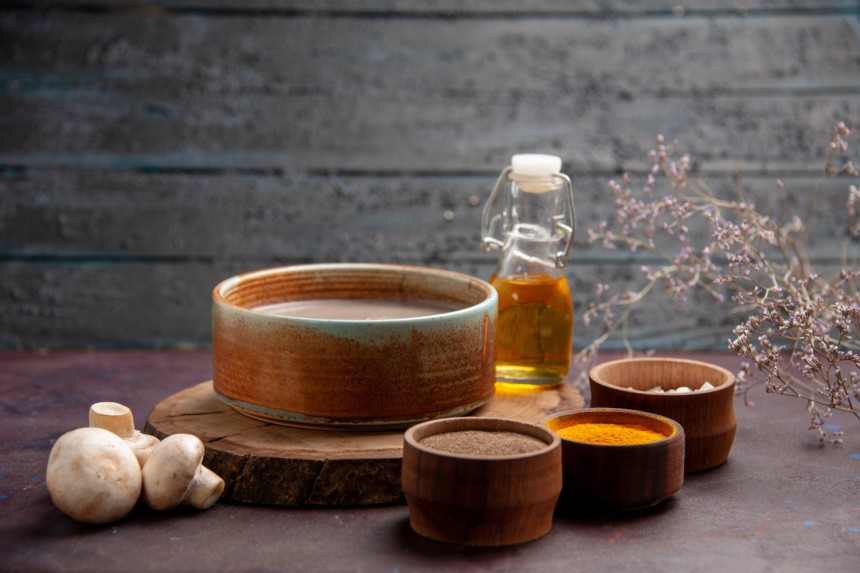

Best Heat-Stable Essential Oils for Candle & Soap Manufacturing
This guide breaks down which essential oils perform reliably in candle and soap manufacturing — and why.
Have you ever poured a candle that smelled incredible in the pitcher — only to find the scent weak once burned? Or unmolded a beautiful soap bar that lost half its fragrance during cure?
Heat is the silent disruptor in essential oil performance.
Not all essential oils withstand the temperatures involved in wax melting, saponification, and curing. Volatile top notes can evaporate, delicate florals can distort, and poorly selected oils can fade completely.
For manufacturers, selecting heat-stable essential oils is not optional — it’s essential to protecting scent throw, formulation integrity, and customer satisfaction.
This guide breaks down which essential oils perform reliably in candle and soap manufacturing — and why.
Buyer’s Guide: Heat-Stable Essential Oils for ManufacturingHeat stability depends on several factors:
- Molecular weight
- Flash point
- Oxidation resistance
- Chemical composition
- Base vs. top note structure
Heavier base notes generally perform better under sustained heat exposure.
1. Lavender OilLavender remains one of the most reliable oils across both soap and candle applications.
Its balanced chemical profile gives it moderate volatility with reasonable retention through saponification and wax curing.
Best suited for:
- Aromatherapy candles
- Relaxation and sleep soaps
- Wellness-focused collections
Lavender performs especially well when anchored with woody base notes for improved longevity.
2. Sandalwood OilSandalwood is structurally stable and performs exceptionally under heat.
Its high molecular weight allows it to retain depth during wax combustion and soap cure.
Ideal for:
- Luxury candle lines
- High-end soap bars
- Men’s grooming products
In many formulations, sandalwood’s aroma actually rounds out and deepens post-cure — a rare characteristic among essential oils.
3. Cedarwood OilCedarwood is a highly dependable base note for high-temperature applications.
Its woody profile stabilizes blends and improves scent retention in both wax and alkaline soap bases.
Common uses:
- Soy and beeswax candles
- Forest-inspired fragrance lines
- Exfoliating or earthy soap collections
Cedarwood is often used strategically as a structural anchor in blended formulas.
4. Patchouli OilPatchouli is naturally robust and acts as both a fragrance component and a fixative.
Its low volatility makes it one of the most heat-resilient essential oils available.
Why manufacturers rely on it:
- Strong scent retention
- Excellent hot throw in candles
- Improves longevity of lighter oils
Patchouli is especially effective when paired with citrus or floral top notes that need stabilization.
5. Clove Bud OilClove bud contains heavier aromatic compounds and exhibits strong thermal tolerance.
Its high flash point makes it suitable for controlled use in heat-intensive processes.
Best for:
- Seasonal candle blends
- Spiced soap lines
- Warm, holiday formulations
Note: Clove bud should be used carefully due to dermal sensitivity considerations and IFRA limits.
Oils That Require Strategic HandlingSome oils are not inherently heat-stable but can still be used with proper formulation strategy.
Citrus Oils (Lemon, Orange, Bergamot)- Highly volatile
- Better added at lower temperatures
- Perform best when anchored with base notes
- Prone to degradation in soap
- Often better suited for cold-process blending or diffuser applications
Heat stability is not about eliminating certain oils — it’s about understanding their behavior and compensating intelligently.
Practical Techniques for Improved Scent RetentionExperienced manufacturers follow consistent practices:
- Add essential oils at the lowest safe incorporation temperature
- Test cure performance over full production timelines
- Maintain detailed batch records (temperature, ratio, cure duration)
- Evaluate flash point and volatility before scaling
- Source oils intended for manufacturing applications — not retail aromatherapy
Small formulation adjustments can dramatically improve retention and reduce reformulation costs.
The Bottom LineChoosing heat-stable essential oils for candle and soap manufacturing is a performance decision — not a fragrance preference.
Base notes and structurally stable oils reduce scent fade, improve batch consistency, and protect long-term customer trust.
Malagassi supports manufacturers with bulk essential oil supply designed for industrial performance. We prioritize batch consistency, transparent sourcing, and full regulatory documentation. The country of origin and regulatory status of each oil are listed on our website to support formulation teams and compliance requirements.
If you are scaling candle or soap production, connect with Malagassi to build a sourcing strategy designed for heat stability, consistency, and growth.
Iron Salt Battery Manufacturing Plant Project Report 2026: Industry Tr...




Cement Backer Board Manufacturing Plant Project Report 2026: Unit Setu...