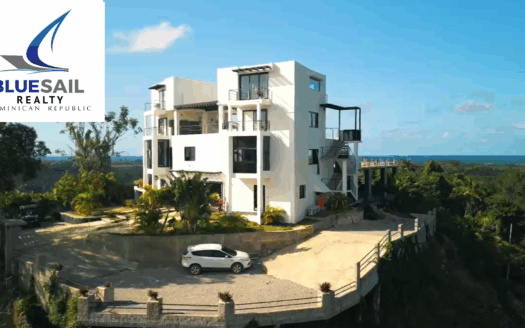

Beachfront Land for Sale: A Complete Guide to Investing in Coastal Property
Introduction
Owning property near the ocean has long been associated with both lifestyle benefits and long-term financial potential. Coastal destinations continue to attract investors, retirees, vacation home buyers, and developers seeking opportunities in growing real estate markets. Whether the goal is building a custom residence, creating a vacation retreat, or securing an appreciating asset, purchasing coastal property requires thoughtful planning and market knowledge.
Understanding local trends, zoning regulations, infrastructure, and nearby residential developments can significantly influence investment outcomes. Areas that feature established villas, condominiums, and expanding communities often provide greater confidence for buyers looking toward future value.
This guide explores the essential considerations when searching for beachfront land for sale, while also examining the surrounding residential market, investment opportunities, and the importance of understanding local real estate conditions before making a purchase.
Understanding Coastal Real EstateCoastal real estate differs from traditional inland property in several important ways. Factors such as environmental regulations, shoreline preservation, accessibility, tourism growth, and infrastructure all contribute to property values.
Many buyers focus solely on ocean views, but experienced investors also evaluate:
- Neighborhood development
- Road accessibility
- Utility availability
- Flood zone classifications
- Community amenities
- Future construction plans
- Market appreciation trends
These factors collectively determine whether a property offers lasting value.
Why Coastal Land Continues to Attract InvestorsBeach destinations remain among the most desirable locations for real estate investment. Population growth, tourism, and international interest frequently contribute to increasing property demand.
Several advantages include:
Limited SupplyOceanfront property is naturally limited. As demand increases while available land remains scarce, values often strengthen over time.
Development FlexibilityVacant coastal land provides buyers with the opportunity to create homes that reflect personal preferences rather than purchasing an existing structure.
Lifestyle AppealLiving near the ocean offers access to beaches, outdoor recreation, scenic views, and a slower pace of life that appeals to buyers worldwide.
Rental PotentialProperties developed in vacation destinations may offer opportunities for seasonal or long-term rental income depending on local regulations.
Understanding the Local Real Estate EnvironmentOne of the most valuable steps before purchasing land involves studying the surrounding housing market.
Communities featuring established villas and condominiums often indicate healthy buyer demand and ongoing development.
Market data typically helps buyers understand:
- Average home prices
- Recent sales activity
- Inventory levels
- Property appreciation
- Buyer demand
- Future development trends
Rather than evaluating a parcel of land independently, examining the larger residential market provides greater confidence in long-term investment decisions.
The Relationship Between Villas, Condos, and Land ValuesResidential developments frequently influence surrounding land prices.
Areas with successful villa communities often demonstrate:
- High demand
- Reliable infrastructure
- Attractive amenities
- Consistent property maintenance
Similarly, condominium developments indicate growing residential interest, particularly among vacation homeowners and international buyers.
Studying nearby villas and condominiums provides useful insight into neighborhood quality, pricing expectations, and future market direction.
Identifying Quality LocationsChoosing the right location requires balancing natural beauty with practical considerations.
Important characteristics include:
- Safe communities
- Reliable infrastructure
- Nearby shopping
- Medical facilities
- Restaurants
- Recreational opportunities
- Schools
- Transportation access
Successful investments often occur in neighborhoods where both residents and visitors enjoy convenient daily living.
Market Data MattersReal estate decisions should rely on more than photographs and marketing materials.
Market statistics provide objective information that helps buyers understand:
- Historical appreciation
- Sales trends
- Inventory changes
- Buyer activity
- Seasonal demand
This information creates a clearer picture of long-term investment potential.
Areas with stable transaction volume and healthy demand often demonstrate stronger resilience during changing market conditions.
Evaluating Development OpportunitiesPurchasing land involves more than selecting an attractive location.
Potential buyers should consider:
Building RestrictionsLocal regulations determine building height, setbacks, and design requirements.
UtilitiesAvailability of water, electricity, sewage systems, and telecommunications directly affects construction costs.
Road AccessEasy access improves both convenience and future resale value.
Environmental ConsiderationsCoastal properties may include conservation requirements that influence development possibilities.
Understanding Buyer DemandDifferent buyer groups influence coastal markets.
Vacation Home BuyersThese buyers seek seasonal residences in attractive destinations.
RetireesMany retirees prioritize warm climates and relaxed coastal lifestyles.
InvestorsInvestment buyers often focus on appreciation and rental opportunities.
FamiliesFamilies frequently consider nearby schools, healthcare, and recreational amenities before purchasing.
A diverse buyer base generally contributes to stronger market stability.
Benefits of Building a Custom HomeVacant land provides flexibility unavailable with existing properties.
Advantages include:
- Personalized floor plans
- Modern construction standards
- Energy-efficient systems
- Contemporary architecture
- Outdoor entertainment spaces
- Landscaping tailored to the site
Custom homes also allow owners to maximize views while incorporating lifestyle preferences into every design element.
Planning Before PurchasingPreparation helps reduce unexpected expenses.
Important planning steps include:
BudgetingConstruction costs extend beyond purchasing land.
Expenses may include:
- Architectural design
- Engineering
- Permits
- Utility installation
- Landscaping
- Insurance
Understanding financing options before beginning a search simplifies the buying process.
Professional GuidanceWorking with experienced real estate professionals, legal advisors, and inspectors supports informed decision-making.
Community Amenities Increase Property AppealModern buyers often evaluate more than the property itself.
Nearby amenities may include:
- Beach clubs
- Walking trails
- Restaurants
- Cafes
- Fitness centers
- Parks
- Marinas
- Shopping areas
Communities offering convenient services frequently experience stronger long-term demand.
The Importance of Nearby Residential DevelopmentsThe surrounding residential environment often influences property performance.
Communities containing well-maintained villas and attractive condominiums frequently demonstrate:
- Stable buyer demand
- Higher resale confidence
- Improved infrastructure
- Active property management
- Growing local investment
Market information related to these residential segments helps buyers understand the broader real estate landscape before purchasing land.
Environmental AwarenessResponsible buyers understand that coastal ownership includes environmental considerations.
These may involve:
- Coastal erosion
- Storm preparedness
- Flood management
- Sustainable landscaping
- Building resilience
Modern construction techniques help reduce environmental impact while improving long-term durability.
Choosing the Right PropertySelecting suitable land involves balancing numerous priorities.
Questions worth considering include:
- Is the location accessible year-round?
- Are utilities already available?
- What development surrounds the property?
- Does zoning support intended use?
- How active is the local housing market?
- Are infrastructure improvements planned?
Answering these questions creates greater confidence before making a purchase.
Building for Future GenerationsCoastal property often represents more than a financial investment.
Many buyers envision:
- Family vacation homes
- Retirement residences
- Legacy properties
- Multi-generational gathering places
Planning with long-term goals encourages thoughtful decisions regarding location, design, and development.
Navigating the Buying ProcessPurchasing coastal land typically follows several stages:
- Market research
- Property selection
- Site evaluation
- Legal verification
- Financial planning
- Contract negotiation
- Closing procedures
- Development planning
Each step contributes to reducing risk while improving investment confidence.
Future Trends in Coastal Real EstateSeveral emerging trends continue shaping coastal markets:
- Sustainable construction
- Smart home technology
- Eco-friendly communities
- Remote work migration
- Increased international investment
- Mixed residential developments
As these trends evolve, buyers increasingly seek locations that combine natural beauty with modern infrastructure and community planning.
For many investors, carefully researching beachfront land for sale alongside nearby residential developments creates a stronger foundation for making informed purchasing decisions. Understanding local market data, including insights into villas and condominiums, provides valuable context that supports long-term investment success.
Likewise, evaluating beachfront land for sale within an active and well-established real estate market allows buyers to better assess future appreciation, neighborhood growth, and overall development potential before committing to a purchase.
Whether purchasing for personal enjoyment or investment purposes, thoughtful planning, reliable market information, and careful evaluation remain essential. Buyers who combine location analysis with broader residential market insights are often better positioned to identify beachfront land for sale that aligns with both immediate objectives and future financial goals.
The Bottom LinePurchasing coastal property involves far more than selecting a beautiful location. Understanding neighborhood trends, reviewing market data, evaluating nearby villas and condominiums, and assessing future development opportunities all contribute to making informed decisions. Buyers who carefully research infrastructure, regulations, community growth, and long-term appreciation potential are better equipped to identify beachfront land for sale that offers lasting value, flexibility, and strong investment potential in an evolving coastal real estate market.



Why Businesses Are Choosing Coworking Spaces in Surat for Long-Term Gr...
Discover why businesses are choosing coworking spaces in surat for flexible, fully managed...