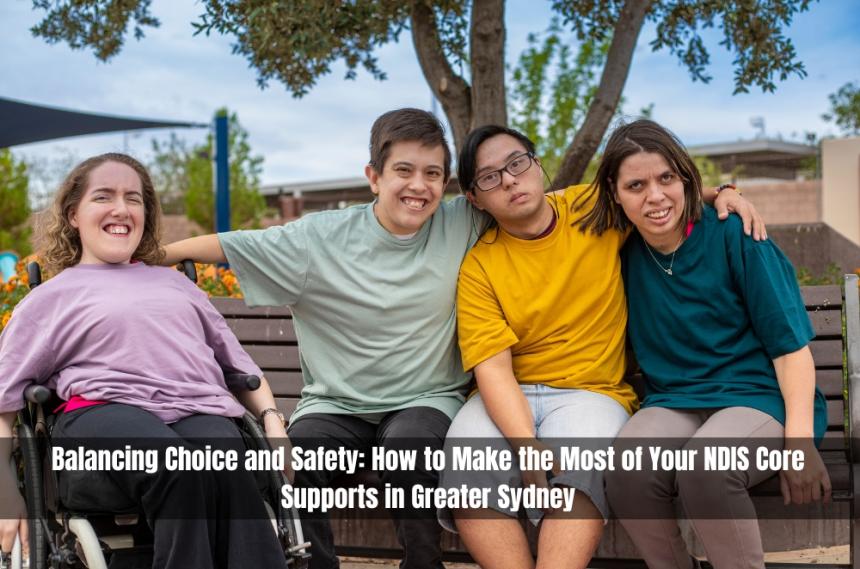

Balancing Choice and Safety: How to Make the Most of Your NDIS Core Supports in Greater Sydney
Unsure how to juggle freedom of choice with quality and safeguard requirements? This guide for Sydney NDIS participants explains how to maximise Core Supports while keeping safety, compliance and community connection front of mind.
Few things feel more empowering than shaping your own day-to-day life. Under the National Disability Insurance Scheme (NDIS), Core Supports give participants the flexibility to decide who provides assistance, when it happens and how it fits personal goals. Yet that freedom also comes with responsibilities: services must remain safe, ethical and compliant with NDIS Quality and Safeguards standards.
Below, we explore practical ways Sydneysiders can strike the right balance—using Core Supports to live the life you want, without compromising wellbeing or funding security. We’ll also examine how Sydney-based disability care assistance can be tailored to individual circumstances while supporting greater independence, choice and community participation.
1. Understand What “Core Supports” Really CoverBefore fine-tuning arrangements, make sure the building blocks are clear. Core Supports typically include:
- Assistance with daily living (e.g., personal care, meal prep)
- Transport
- Consumables (continence aids, low-cost assistive tech)
- Social and community participation
While these categories sound broad, each still needs to relate back to the goals in your NDIS plan. The first safeguard is simply matching every dollar spent to an approved purpose—especially important if you self-manage or use a flexible plan-managed budget.
For an easy refresher on matching supports to goals, the NDIS Quality and Safeguards Commission outlines participant rights and provider obligations in plain language.
Local context: travel times matterGreater Sydney’s sheer size means a “quick” support shift can involve lengthy travel. If a provider factors transport into the hourly rate, double-check how charges are applied so funding isn’t unexpectedly drained.
2. Weighing Choice Against Risk: A Quick ComparisonDifferent ways of arranging Core Supports offer different upsides and watch-outs. The table below highlights common scenarios raised by Sydney participants.
Decision PointMore Choice, More FlexibilityStronger Safety, Less AdminSuggested Check-InHiring support workers directly vs through a registered providerDirect hire often costs less and allows hand-picking staff.Registered providers handle screening, insurance and incident reporting.Ask whether the worker holds current NDIS Worker Screening Check and appropriate insurances.Self-managing funds vs plan managementFull control of invoices, timing and negotiated rates.Plan managers handle payments, record-keeping and audit-ready statements.If self-managing, set calendar reminders for receipts and quarterly budget reviews.Informal supports (family/friends) vs paid supportsFamiliar faces and culturally aligned support.Professional boundaries, respite for families, and clearer accountability.Schedule regular goal reviews to ensure informal support still meets needs and capacity.Remember, you don’t have to pick one column forever—many participants blend approaches depending on changing circumstances.
3. Learning from Others: Real-World Choice & Control in ActionReaders wanting more inspiration can explore this previously published piece on person-centred support in action. It showcases how Sydney-based participants combine formal and informal supports to stay active in their local communities.
Key takeaway: Strong outcomes often come from knowing when to seek professional help and when to lean on neighbourhood networks, advocacy groups or peer mentors.
4. Signs Your Supports Need a Safety Tune-UpWhile flexibility is brilliant, it pays to keep an eye on red flags that suggest your risk profile is creeping up:
- Support workers skipping sign-in/out or incident documentation
- Overtime or transport charges climbing without clear explanation
- Feeling rushed to sign service agreements or invoices
- Lack of progress towards defined plan goals
- No emergency backup arrangements if a worker calls in sick
If any of these scenarios sound familiar, it may be time to review agreements and practices.
Minor versus serious concernsMinor issues—like a one-off late arrival—can often be solved with open communication. Serious issues—such as suspected financial misuse or unsafe manual handling—may warrant a formal complaint to the NDIS Commission or a provider change.
5. Building a Circle of Support: Why Relationships Still MatterBalancing choice and safety isn’t only about paperwork. Consistent, trust-based relationships reduce risk because everyone communicates early when needs shift.
Working with a community-focused care team can streamline this. A collaborative provider can:
- Recommend vetted workers who match cultural or language preferences
- Provide backup staff at short notice so routines stay on track
- Assist with incident reporting, audits and NDIS compliance
- Co-design rosters that respect both participant choice and safe staffing ratios
The result? More energy spent on goals, less on crisis-managing rosters or invoices.
6. Practical Steps for Your Next Plan ReviewPlan reviews are the ideal moment to check whether your Core Supports still strike the right balance. Consider bringing the following evidence:
- A brief diary of daily living tasks that have become easier or harder
- Participation logs for social or community events
- Budget variance reports showing underspend or overspend trends
- Incident or hazard reports (if any) and how they were handled
- Feedback from allied health professionals on changing functional needs
Bringing concrete examples speeds up discussions and shows the NDIA exactly how current funding levels contribute to real-world outcomes.
7. Common Missteps (and How to Avoid Them)- Focusing only on hourly rates
- Lower cost isn’t a bargain if you need twice as many hours to achieve the same result.
- Letting informal supports burn out
- Family and friends need respite; otherwise relationships suffer and risks rise.
- Delaying paperwork
- Missing receipts or unsigned service agreements can trigger funding pauses during audits.
- Ignoring emerging health changes
- Early intervention is usually cheaper and safer than waiting until supports become critical.
Your own safety and that of your support workers are linked. Simple actions—like clear manual-handling instructions, well-lit entryways and secure storage for medications—help everyone avoid injuries and incident reports. If you’re unsure, ask your provider for a home-safety checklist.
Final ThoughtsGreater Sydney offers an enormous range of disability support options, from multicultural peer groups in Parramatta to specialist therapy hubs in the Eastern Suburbs. The key is weaving those choices into a system that also guards against risk. By clarifying goals, reviewing agreements, tracking budgets and nurturing transparent relationships, participants can get the very best from their Core Supports—enjoying both the freedom to live on their own terms and the confidence that safeguards remain firmly in place.