
Are Mens Testosterone Supplements Safe?
In the real world, this question rarely starts from medical curiosity. It usually starts in the mirror. A man notices low energy, slower recovery at the gym, declining motivation, maybe stubborn body fat that wasn’t there a few years ago.
Then he hears about men's testosterone supplements and wonders if they are a quick fix. I’ve seen this pattern repeat in very different people. Gym beginners, busy professionals, even older men trying to feel like themselves again.
The interesting part is not just the curiosity, but the expectation around bio life sachet. Most people secretly hope these supplements will “boost testosterone” in a noticeable, almost immediate way.
That expectation is where most confusion begins.
What Testosterone Supplements Actually Are in Real LifeOn paper, “testosterone supplements” sounds like something that directly increases testosterone. In reality, most over-the-counter products do not contain testosterone at all.
They are usually blends of herbs, vitamins, and minerals like zinc, magnesium, ashwagandha, fenugreek, and similar ingredients. Some are based on traditional use, some on small studies, and many on marketing selection rather than strong clinical evidence.
So in real life, these products are not hormone therapy. They are support supplements that aim to influence stress, sleep, or nutrient levels, which may indirectly affect the body’s natural hormone production.
That distinction matters more than most people realize.
Why Men Actually Start Using ThemFrom what I’ve observed, usage is rarely about deep medical understanding. It usually falls into a few real-world situations.
Some men feel physically “off” but have not done blood tests. Others want gym performance improvements without moving into prescription treatments. Many are simply influenced by online content that makes testosterone sound like the master switch for masculinity, energy, and confidence.
There is also a psychological angle. Taking something feels like action. Even if the effect is small, it creates a sense of control over how you feel.
Do Testosterone Supplements Actually Work?This is where expectations and reality often separate.
In most real-world cases, effects are subtle at best. Some users report slightly better energy, improved sleep, or better workout consistency. But when you dig deeper, those changes often overlap with lifestyle improvements happening at the same time.
What people don’t always realize is that many ingredients in these supplements do not directly raise Testosterone in a meaningful way in healthy individuals. If someone is deficient in zinc or magnesium, correcting that can help. If someone is stressed or sleeping poorly, adaptogens like ashwagandha may improve how they feel.
But if hormone levels are already normal, the impact is usually limited.
In short, they are not useless, but they are not powerful either. Most of the strong claims come from marketing interpretation, not consistent real-world outcomes.
Safety, Side Effects, and What People OverlookCompared to prescription hormones, most testosterone supplements are generally considered low risk for healthy adults. But “low risk” does not mean “risk free.”
The most common issues I’ve seen are mild but annoying. Some people get digestive discomfort. Others feel overstimulated or jittery depending on the blend. Sleep can actually worsen if stimulatory herbs are included.
The bigger issue is not acute side effects. It is misplaced reliance. People sometimes delay proper medical evaluation because they assume supplements will fix everything.
Another overlooked point is product quality. The supplement industry is not tightly regulated in many regions, so ingredient consistency can vary. That means two bottles with the same label can behave differently in practice.
Testosterone Supplements vs TRT: A Practical DifferenceThis is where confusion needs to be cleared up.
Testosterone supplements try to support the body’s natural system. Testosterone Replacement Therapy (TRT), on the other hand, is medical treatment where actual testosterone is prescribed when levels are clinically low.
TRT can produce significant and measurable changes because it directly replaces the hormone. Supplements do not do that. They work indirectly, if at all.
In practical terms, TRT is a medical intervention with monitoring, blood tests, and potential long-term considerations. Supplements are consumer wellness products with far less predictable outcomes.
Mixing the two in people’s minds leads to unrealistic expectations about supplements.
Who Should Avoid Testosterone Supplements CompletelyIn real-world use, I’ve noticed some groups are more likely to be disappointed or misled.
Men expecting dramatic muscle gain or hormonal transformation will almost always feel let down. Anyone with clinically diagnosed low testosterone should not rely on supplements as a solution. They need medical evaluation, not experimentation.
Also, people with anxiety sensitivity can sometimes feel worse on certain blends, especially those with stimulating ingredients. And anyone already taking medications should be cautious, since interactions are not always well studied.
The biggest risk is not physical harm. It is chasing results that the product was never capable of delivering.
What Actually Works Better Than Most SupplementsIf you strip away marketing, the most effective “testosterone support” strategies are boring but consistent.
Sleep quality has a stronger relationship with hormone balance than most supplements combined. Resistance training, especially progressive overload, has a real physiological effect. Managing chronic stress matters more than people expect.
Nutrition also plays a role, but mainly through avoiding deficiencies rather than adding exotic compounds.
The uncomfortable truth is that lifestyle is still the foundation. Supplements sit on top of that, not instead of it.
Common Myths People Believe Before Trying ThemOne of the biggest myths is that testosterone supplements act like a natural version of steroids. They don’t. Another is that more ingredients automatically means better results. In reality, complex blends often dilute effectiveness and make it harder to know what is actually working.
There is also the belief that feeling “low energy” always means low testosterone. That is not true. Fatigue can come from sleep debt, stress, poor diet, or mental overload, which supplements do not reliably fix.
ConclusionIn everyday use, testosterone supplements sit in a middle space between hope and modest reality. They are not dangerous in most cases, but they are also not powerful enough to transform hormone levels in a dramatic way for most healthy men. What they often do is slightly support energy, recovery, or stress response, especially if the person was deficient or lifestyle factors were already improving in the background.
The most important takeaway is expectation management. If someone sees them as a subtle support tool, the experience tends to feel reasonable. If someone sees them as a shortcut to higher testosterone, disappointment is almost guaranteed.
From what I’ve seen over time, the men who get the best results are not the ones chasing stronger supplements. They are the ones fixing sleep, training consistently, eating properly, and then using supplements as a small addition rather than a foundation.
So are they safe? For most healthy people, generally yes within normal use. Are they effective? Sometimes, but modestly and indirectly. The real decision is not just about safety, but about honesty with what they can realistically do.
FAQsAre testosterone supplements the same as steroids?No, they are completely different in how they work and what they do in the body. Testosterone supplements are usually made from herbs, vitamins, and minerals that try to support the body’s natural hormone production indirectly. They do not contain actual testosterone and they do not replace hormones in the bloodstream. Steroids or medical testosterone therapy, on the other hand, introduce synthetic or bioidentical testosterone directly into the body, which can produce strong and measurable hormonal changes.
This difference is why expectations often get mixed up. Many people assume supplements will “boost testosterone” in a similar way to steroids, but in real-world use the effects are far more subtle. If someone already has normal hormone levels, supplements usually have limited impact, while steroids or TRT create a direct and much stronger physiological change under medical supervision.
How long does it take for testosterone supplements to show results?In most real-world cases, if someone feels any effect at all, it usually takes a few weeks rather than days. Some ingredients that support stress reduction or sleep quality may start showing mild changes within one to two weeks, but these are often indirect improvements like better rest or slightly improved recovery, not a sudden hormonal shift.
However, many users never notice a clear “before and after” moment. The changes, if they happen, tend to be gradual and subtle, and they are often influenced by lifestyle at the same time. That is why people sometimes mistakenly credit the supplement for improvements that actually came from better sleep, training consistency, or reduced stress.
Can testosterone supplements improve muscle growth?They can support muscle growth indirectly, but they are not muscle-building agents in themselves. If a supplement improves sleep, recovery, or workout consistency, then over time that can slightly improve training results. But that is a secondary effect, not a direct anabolic effect on muscle tissue.
In practice, the difference is usually small compared to proper training, protein intake, and progressive overload. People who expect noticeable muscle gain purely from supplements often get disappointed because the body does not respond in a dramatic way unless there is a real hormonal deficiency being corrected.
Are there any long-term side effects of using testosterone supplements?For most healthy adults, long-term use of standard testosterone supplements does not usually lead to serious medical side effects. However, the lack of strong regulation means product quality and ingredient consistency can vary, which introduces some uncertainty over extended use. Some individuals may also experience ongoing mild effects like digestive discomfort, sleep changes, or sensitivity to certain herbal compounds.
The bigger long-term concern is not toxicity, but dependency on the idea of supplementation. Some users keep increasing dosages or switching products expecting stronger effects, when in reality the body is not responding in a meaningful hormonal way. This can lead to unnecessary spending and neglect of more effective lifestyle improvements.
Do natural testosterone boosters actually increase testosterone levels?In most healthy men with normal hormone levels, natural boosters do not significantly increase Testosterone in blood tests. Some ingredients may help correct deficiencies or improve conditions that indirectly support hormone balance, but that is not the same as actively raising testosterone beyond normal physiological range.
There are cases where small improvements are seen, especially in people with poor sleep, high stress, or nutritional deficiencies. But for the average person, the effect is usually minimal and sometimes not measurable at all. This is why results vary so widely between users, and why lifestyle factors often matter far more than the supplement itself.

Maritime Freight Transport Market Insights: Technology, Trade Routes,...



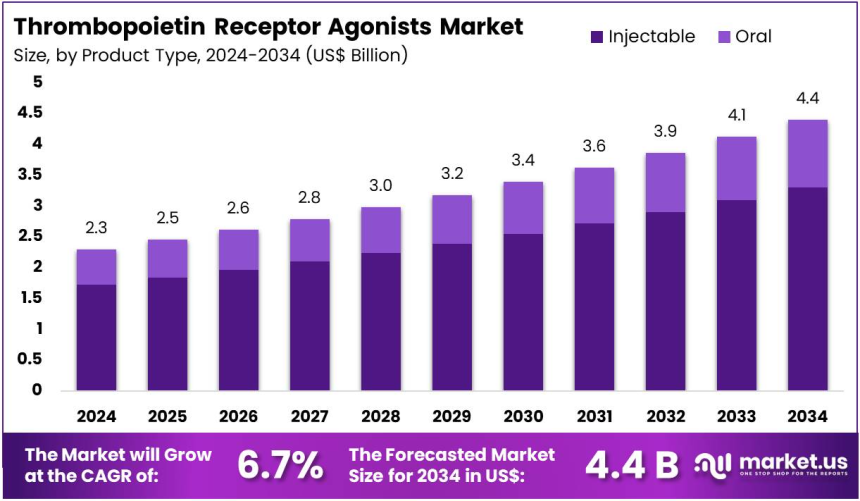
Thrombopoietin Receptor Agonists Market Delivers Promising Investment...

Follow Hitclub at tophomeworkhelper A Complete Guide to Staying Update...
Follow Hitclub at tophomeworkhelper A Complete Guide to Staying Updated with Online Entert...

Experience Premium Travel with a Trusted Taxi in Windsor
Taxi in Windsor available 24/7. Heathrow to Windsor taxi from £18. Cheap Taxi Windsor with...
