Advantages of Using MCB Circuit Breaker and MCCB Circuit Breakers in Modern Installations
Both devices play crucial roles in ensuring operational continuity and safeguarding electrical infrastructure. While they serve similar protective purposes, their applications and capacities differ significantly. Understanding their advantages helps in making informed decisions for modern electrical installations
In today’s fast-evolving electrical landscape, safety, efficiency, and reliability are more important than ever. Modern residential complexes, commercial facilities, and industrial plants depend on stable and secure power distribution systems. At the heart of these systems lie protective devices that prevent electrical overloads and short circuits. Two of the most essential components in this regard are the mcb circuit breaker and mccb circuit breakers.
Both devices play crucial roles in ensuring operational continuity and safeguarding electrical infrastructure. While they serve similar protective purposes, their applications and capacities differ significantly. Understanding their advantages helps in making informed decisions for modern electrical installations.
Understanding MCB Circuit Breaker
An mcb circuit breaker (Miniature Circuit Breaker) is designed to protect low-voltage electrical circuits from damage caused by excess current. It automatically interrupts the power supply during overload or short-circuit conditions.
Unlike traditional fuses, MCBs can be reset after tripping, making them more convenient and cost-effective. They are commonly used in residential and light commercial applications, where moderate current levels are involved.
Key Features of MCB Circuit Breaker
- Compact size suitable for distribution boards
- Thermal and magnetic tripping mechanisms
- Easy reset functionality
- Reliable short-circuit and overload protection
- Low maintenance requirements
MCBs are typically rated up to 63 amps or slightly higher, making them ideal for standard power distribution needs.
Understanding MCCB Circuit Breakers
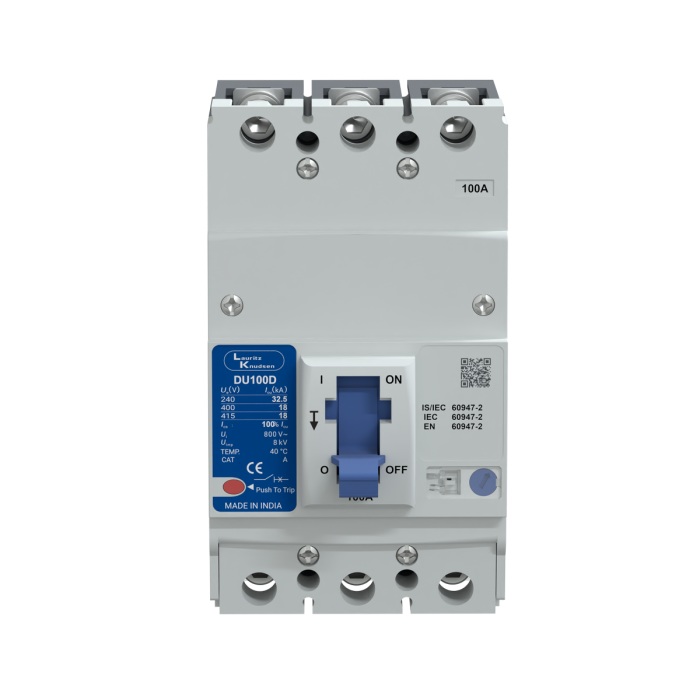
Mccb circuit breakers (Molded Case Circuit Breakers) are designed for higher-capacity applications. They are capable of handling larger currents and are commonly used in industrial and heavy commercial environments.
MCCBs provide adjustable trip settings, allowing customization according to load requirements. This flexibility makes them suitable for complex electrical systems that demand precise protection.

Key Features of MCCB Circuit Breakers
- Higher current ratings (typically from 63A up to 2500A or more)
- Adjustable thermal and magnetic trip settings
- Greater breaking capacity
- Enhanced durability
- Suitable for industrial environments
MCCBs are often installed in main distribution panels, industrial machinery circuits, and high-load commercial setups.
Core Advantages of MCB Circuit Breaker in Modern Installations
1. Enhanced Electrical Safety
An mcb circuit breaker provides immediate response during overload or short-circuit conditions. This quick interruption minimizes the risk of fire, equipment damage, and electrical hazards.
2. Compact and Space-Saving Design
Modern distribution boards are often compact. MCBs fit easily into modular panels, making them ideal for residential apartments and offices where space is limited.
3. Cost-Effective Solution
MCBs are affordable compared to larger protective devices. Their resettable nature eliminates the need for replacement after every fault.
4. Easy Installation and Maintenance
MCBs are simple to install and require minimal maintenance, making them practical for everyday applications.
5. Reliable Performance
With both thermal and magnetic protection mechanisms, MCBs offer dependable and consistent circuit protection.
Core Advantages of MCCB Circuit Breakers in Modern Installations
1. High Current Handling Capacity
Mccb circuit breakers are designed for high-load applications. They can manage significant electrical demands without compromising safety.
2. Adjustable Protection Settings
Unlike MCBs, MCCBs allow adjustment of trip settings. This flexibility ensures accurate protection tailored to specific system requirements.
3. Greater Breaking Capacity
Industrial environments often experience high fault currents. MCCBs are engineered to interrupt large fault currents safely.
4. Durability in Harsh Environments
Industrial setups expose equipment to heat, dust, and vibrations. MCCBs are built to withstand such challenging conditions.
5. Versatility
MCCBs are suitable for a wide range of applications, including generators, motor protection, and main power distribution systems.
Differences Between MCB and MCCB
Although both serve protective functions, their differences are significant:
- MCBs are typically used for lower current applications, while MCCBs handle higher loads.
- MCCBs offer adjustable settings; MCBs usually have fixed trip characteristics.
- MCCBs have higher breaking capacities compared to MCBs.
- MCBs are more common in residential and small commercial installations, while MCCBs are preferred in industrial setups.
Selecting the appropriate device depends on load requirements, system complexity, and safety standards.
Applications in Modern Installations
Residential Installations
In homes and apartments, the mcb circuit breaker protects lighting circuits, sockets, and appliances. Its compact design makes it ideal for domestic distribution boards.
Commercial Buildings
Office complexes and retail stores use both MCBs and MCCBs. MCBs manage smaller circuits, while MCCBs protect larger equipment like HVAC systems and elevators.
Industrial Facilities
Factories and manufacturing plants rely heavily on mccb circuit breakers for high-power machinery, motor control panels, and main distribution units.
Renewable Energy Systems
Solar installations and backup generators often incorporate both MCBs and MCCBs for comprehensive protection across various load levels.
Safety Compliance and Standards
Modern electrical installations must comply with strict safety regulations. Both MCB and MCCB devices are manufactured according to international standards to ensure reliability and protection.
Using certified circuit breakers ensures:
- Reduced risk of electrical fires
- Compliance with building codes
- Enhanced equipment lifespan
- Improved operational stability
Proper installation and regular inspection further enhance their effectiveness.
Energy Efficiency and Operational Reliability
Circuit breakers not only protect systems but also contribute to efficient power management. By preventing prolonged overload conditions, they reduce unnecessary energy consumption and equipment strain.
MCCBs, with adjustable settings, allow precise current management in industrial systems. Meanwhile, MCBs ensure stable power flow in everyday applications.
Together, they create a balanced and secure electrical ecosystem.
Maintenance and Long-Term Performance
Both MCB and MCCB devices are designed for longevity. However, periodic inspection ensures optimal performance.
Key maintenance practices include:
- Checking for overheating signs
- Verifying secure connections
- Testing trip mechanisms
- Replacing damaged units promptly
Routine maintenance enhances safety and extends the life of electrical infrastructure.
Technological Advancements in Circuit Breakers
Modern circuit breakers are evolving with smart features such as:
- Remote monitoring capabilities
- Digital trip units
- Integration with building management systems
- Real-time fault diagnostics
These advancements make both mcb circuit breaker and mccb circuit breakers more efficient and suitable for smart buildings and automated industries.
Choosing the Right Circuit Breaker for Your Installation
When deciding between MCB and MCCB, consider the following factors:
- Total load requirement
- Type of installation (residential, commercial, industrial)
- Fault current levels
- Required breaking capacity
- Budget and long-term reliability
For smaller loads, MCBs are sufficient. For higher capacities and industrial needs, MCCBs are the better choice.
Conclusion
In modern electrical installations, safety and reliability cannot be compromised. Both the mcb circuit breaker and mccb circuit breakers offer significant advantages in protecting circuits from overloads and short circuits. While MCBs are ideal for residential and light commercial applications, MCCBs provide robust protection for high-capacity industrial systems.
Their combined use ensures comprehensive electrical safety, operational efficiency, and long-term durability across diverse environments. By selecting the appropriate circuit breaker based on load requirements and system complexity, businesses and homeowners can maintain stable and secure power distribution.
For advanced and dependable electrical protection solutions, Lauritz Knudsen Electrical and Automation delivers high-quality circuit breakers designed to meet modern safety standards and evolving power management needs.