
A Practical Friend's Guide to Buying a Leather Apron as a Gift
Look, I'm not going to tell you a leather apron is the perfect gift for everyone. It isn't. But I will tell you that I've now bought leather aprons for five different people
Look, I'm not going to tell you a leather apron is the perfect gift for everyone. It isn't. But I will tell you that I've now bought leather aprons for five different people — my brother, my father-in-law, two friends, and one coworker — and the gift has landed every single time. Five for five is a better hit rate than I have on any other gift category. So if you're standing in front of a holiday or a birthday and looking for something genuinely useful, here's everything I've learned about getting this gift right.
Why I Started Doing This
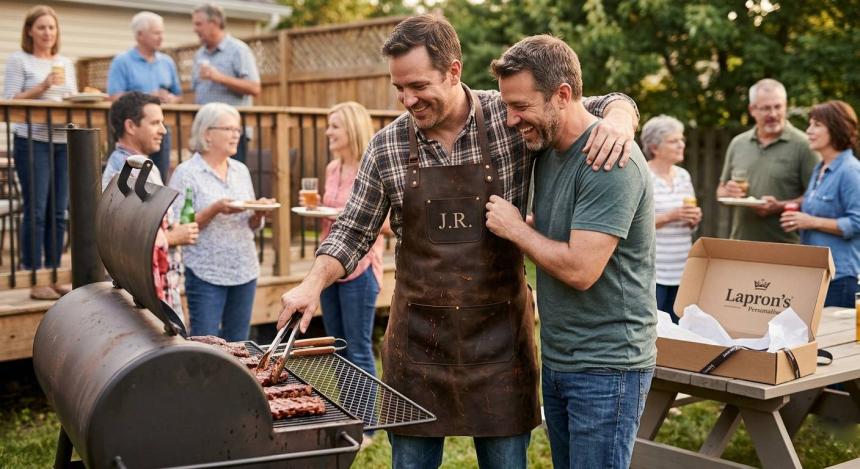
Years ago I was trying to figure out what to get my brother for his 40th birthday. He's a serious BBQ guy, the kind who builds his own smokers. Everything he might want for grilling, he already had. I went down a rabbit hole and ended up deciding to buy leather apron gear for him — specifically a leather apron personalised with his initials, from a specialist maker called Lapron's Personalise. The engraving fee was small. The result was a gift my brother used the same weekend he received it, has been wearing every Sunday since, and mentioned in conversation as the best gift he's gotten in years. That set me down the path. I've now done this five times. Here's what I've learned about doing it right.
Why This Gift Works
Most gifts fail because they don't fit into the recipient's actual life. They get appreciated politely and stuffed in a drawer. The leather apron works as a gift specifically because it slots into something the recipient already does on a regular basis. They're already wearing some kind of apron when they cook, build, garden, or work. Replacing whatever they're wearing now with something better is a real upgrade to their daily life, not a novelty item that needs to find a place. That's the test for whether this gift is right for the person you're shopping for. Ask yourself: do they regularly wear an apron right now? If yes, this gift will work. If no, you might need to look elsewhere.
The Five Gifts I've Bought
Just to be specific, here's what I bought, who got it, and how it landed:
My Brother (BBQ Enthusiast)A long, heavy leather BBQ apron with a thermometer pocket and his initials engraved on the front. Cost: about $185 with engraving. He uses it every Sunday, has BBQ sauce stains on it now, and has told several other people about the gift. Outcome: huge win.
My Father-in-Law (Retired Woodworker)A more workshop-oriented apron with hammer loops and tool pockets, engraved with his shop's name ("Bob's Workshop") that he'd given his garage shop years ago. Cost: about $200. He hung it in his shop the day he got it and has been wearing it since. Outcome: huge win, plus a shop name on permanent display.
Friend #1 (Bartender)A half-apron designed for bar work, no engraving (he'd just opened his own bar and didn't yet have the branding finalized). Cost: about $130. He wore it through his bar's opening night and has been in it ever since. Outcome: solid win.
Friend #2 (Hobby Gardener)A garden-specific apron with deep pockets for pruners and a hori-hori knife, engraved with the name she'd given her vegetable garden. Cost: about $160 with engraving. She wears it every weekend and has mentioned it in three different conversations. Outcome: surprise win — I almost didn't buy this one because I wasn't sure gardening warranted it. It did.
Coworker (Hot-Sauce Hobbyist)A general-purpose cooking apron, engraved with his hot sauce brand's logo (he was launching a small-batch hot sauce as a hobby business). Cost: about $175 with custom engraving. He wears it in his product photos and at every farmer's market booth. Outcome: huge win that turned into ongoing branding for his side hustle.
The PatternAcross all five gifts, the pattern is clear:
• The recipient already wore an apron of some kind in their existing hobby.
• The new apron was a clear upgrade in quality from whatever they had.
• Personalization (their initials, their shop name, their brand) made it feel uniquely theirs.
• The apron got worn within a week of receipt.
• The apron continued to get worn months and years later.
Compare that to the typical gift that gets opened, appreciated, and never used again. Five for five is not the average. Most gift categories don't approach that kind of hit rate.
How to Choose the Person You're Shopping ForIf you're considering this gift for someone, here's the practical decision tree:
Step 1: Identify Their HobbyWhat do they actually do that involves wearing an apron? Cooking, BBQ, woodworking, gardening, bartending, butchering, leatherworking, ceramics, or something else? Match the apron type to the hobby. A workshop apron, a BBQ apron and a gardening apron are different products, designed for different uses.
Step 2: Decide on PersonalizationEngraving is what elevates this from a nice gift to a memorable one. Options to consider:
• Their first name or nickname.
• Their initials (less common but works for traditionalists).
• Their shop name, garden name, or business name.
• A short, meaningful phrase or date.
• Their brand or logo (if they have a small business or hobby business).
If you're not sure what to engrave, ask yourself what's the smallest piece of identity that makes the apron feel like theirs. That's usually the right engraving.
Step 3: Match the SizeAprons that don't fit don't get worn. Most quality apron makers list dimensions clearly. Match the dimensions to the recipient's body, not their shirt size. When in doubt, size up. A loose apron is fine. A short one is useless.
Step 4: Pick the ColorBrown leather is classic and universal. Black is more uniform-looking. Tan is brighter but shows stains. Most people prefer brown for general use. If you're not sure, brown is the safe answer.
Where to BuyIf you're going to buy leather apron gifts seriously, work with specialist makers rather than generic gift retailers. Specialist makers handle the engraving better, build the aprons specifically for use rather than display, and offer the kind of post-purchase support that matters when you're giving the apron to someone who's never owned one before.Lapron’s is the source I've used for most of the gifts I've bought — they specialize in handmade leather aprons across categories (cooking, woodworking, gardening, bartending, etc.) and offer engraving on essentially every product. The customer service is genuinely good, which matters when you're confirming dimensions for someone whose measurements you don't have on hand.
Common Gift-Buyer MistakesMistakes I've made or watched friends make:
• Buying without confirming hobby intensity. If they only do their hobby occasionally, the apron sits in a closet. Confirm they actually wear an apron regularly before committing.
• Skipping personalization to save money. The engraving fee is usually $15 to $30. Skipping it makes the gift generic. Don't skip it.
• Buying the wrong size. Order based on dimensions, not S/M/L. If you can't get the dimensions, ask the recipient or someone close to them.
• Buying too cheaply. Sub-$80 leather aprons are usually "genuine leather," which is the lowest grade. The recipient will eventually realize the apron is failing prematurely. Spend the money for quality.
• Forgetting the gift box or wrapping. Quality aprons should be presented well. Most specialist makers offer gift packaging. Ask for it.
ConclusionThere's a particular kind of gift that fits seamlessly into someone's existing life and makes that life slightly better in a daily, recurring way. Most gifts aren't that. Most gifts are events — the moment of opening, the moment of appreciation, and then gradual fading into a closet. A few gifts cross the line and become daily companions. Those are the gifts worth giving.
The leather apron, for the right recipient, is one of those gifts. It joins their working life. It becomes part of how they cook, build, or grow. It accumulates marks of use that turn it into something uniquely theirs. Five years after you give it, they're still wearing it, and they remember who gave it to them.
If you've got someone on your gift list who fits the profile — a real cook, a real woodworker, a real gardener, a real maker — this is the year to consider this gift seriously. The hit rate is unusually high. The gift quality is unusually durable. And in a world of disposable consumer goods, giving someone something built to last is a kind of gift that's increasingly rare and increasingly valued.

Debet: Understanding a Modern Digital Platform for Entertainment and C...
Debet: Understanding a Modern Digital Platform for Entertainment and Convenience

Trusted Debt Negotiation Company Helping Austin Residents Find Practic...
Managing overwhelming debt can be stressful, especially when monthly payments continue to...
