
9 Powerful Facts About Biliary Colic, Symptoms, and Treatment
Learn about biliary colic, including its symptoms, causes, gallstones, diagnosis, treatment, prevention, warning signs, and when to seek emergency care.
Introduction
Biliary colic is a common type of abdominal pain that usually occurs when a gallstone temporarily blocks the flow of bile from the gallbladder. The pain can be sudden and intense, often appearing after a meal and lasting for several hours. Although the condition may improve on its own, recurring episodes should not be ignored because gallstones can sometimes lead to more serious complications.
Understanding the symptoms, causes, risk factors, treatment options, and warning signs can help you know when to monitor symptoms and when to seek medical care. For severe or concerning abdominal pain, a facility such as ER OF MESQUITE can provide emergency evaluation and appropriate diagnostic testing.
Biliary colic is a type of abdominal pain associated with gallstones. Despite the word "colic," the pain is often steady rather than coming and going like intestinal cramps.
The gallbladder is a small organ located beneath the liver. It stores bile, a digestive fluid produced by the liver. When you eat, the gallbladder contracts and releases bile into the small intestine to help digest fats.
Gallstones can interfere with this process. If a stone blocks the opening of the gallbladder or the cystic duct, pressure can build inside the gallbladder. This pressure may cause the intense pain associated with biliary colic.
The blockage is usually temporary. When the stone moves away from the duct, the pressure decreases and the pain may disappear.
However, a temporary blockage can sometimes develop into a more serious problem if the stone remains trapped or causes inflammation or infection.
The location of pain is one of the most important clues.
Biliary colic commonly causes pain in:
- The upper-right side of the abdomen
- The upper-middle abdomen
- The area beneath the right ribs
- Sometimes the upper back
- Sometimes the right shoulder
The pain may begin suddenly and become quite strong. Some people describe it as a deep, squeezing, aching, or steady pain.
Unlike some stomach problems, changing position or passing gas usually does not provide significant relief.
Biliary colic can feel different from person to person, but several features are common.
The pain may:
- Start suddenly
- Become severe within a short time
- Remain steady rather than coming in waves
- Continue for 30 minutes or several hours
- Occur after eating
- Spread toward the back or right shoulder
- Be accompanied by nausea or vomiting
Some people experience mild discomfort, while others have severe pain that makes it difficult to sit still or continue normal activities.
The pain may eventually disappear when the gallstone moves and the blockage is relieved.
What Causes Biliary Colic?
Gallstones are the most common cause.
Gallstones are hardened deposits that form inside the gallbladder. They can vary in size, from tiny particles to larger stones.
There are two major types of gallstones:
- Cholesterol stones
- Pigment stones
Cholesterol stones are the most common type in many populations.
Gallstones do not always cause symptoms. Many people have gallstones without knowing they are there. These are sometimes called "silent" gallstones.
Problems occur when a stone blocks normal bile flow.
How the Blockage Causes PainThe process can be explained simply:
- The gallbladder stores bile.
- Food enters the digestive system.
- The gallbladder contracts to release bile.
- A gallstone blocks the outlet.
- Bile cannot flow normally.
- Pressure builds inside the gallbladder.
- Abdominal pain develops.
If the stone moves away from the duct, the pressure can decrease and the episode may resolve.
Risk Factors for Gallstones and Biliary ColicCertain factors can increase the likelihood of developing gallstones.
These include:
- Being overweight or having obesity
- Rapid weight loss
- A diet high in unhealthy fats
- Pregnancy
- Increasing age
- A family history of gallstones
- Certain medical conditions
- Certain medications
- Some metabolic disorders
Women are also more likely than men to develop gallstones, particularly during the childbearing years.
However, gallstones can affect anyone, and having risk factors does not mean a person will definitely develop biliary colic.
Does Every Gallstone Cause Biliary Colic?No.
Many gallstones never cause symptoms. A person may have gallstones discovered accidentally during an ultrasound or another medical examination.
A gallstone generally becomes a problem when it blocks a bile duct or causes inflammation.
If gallstones are not causing symptoms, treatment may not always be necessary. However, the appropriate approach depends on a person's overall health and medical history.
Biliary Colic vs. CholecystitisBiliary colic and acute cholecystitis are related but different conditions.
Biliary colic generally occurs when a gallstone temporarily blocks the gallbladder outlet. Once the stone moves, symptoms may improve.
Acute cholecystitis occurs when the gallbladder becomes inflamed, often because a gallstone remains stuck.
Biliary Colic- Usually temporary
- Pain often resolves when the blockage clears
- Typically no fever
- Usually no significant infection
- May occur repeatedly
- Pain often persists
- Fever may develop
- The abdomen may become very tender
- Nausea and vomiting may occur
- Requires prompt medical evaluation
Persistent or worsening abdominal pain should not automatically be assumed to be simple biliary colic.
Biliary Colic vs. Other Abdominal ProblemsSeveral medical conditions can cause upper abdominal pain. This makes proper evaluation important.
Conditions that may produce similar symptoms include:
- Acid reflux
- Gastritis
- Peptic ulcers
- Pancreatitis
- Liver conditions
- Kidney stones
- Appendicitis
- Intestinal problems
- Heart-related conditions
Because abdominal pain can have many causes, healthcare professionals may use physical examination, blood tests, ultrasound, or other imaging to identify the cause.
When Should You Seek Emergency Medical Care?Not every episode of abdominal pain requires emergency treatment, but certain symptoms are warning signs.
Seek prompt medical attention if abdominal pain is:
- Severe
- Persistent
- Getting worse
- Associated with fever
- Associated with chills
- Accompanied by repeated vomiting
- Associated with yellow skin or eyes
- Accompanied by confusion or unusual weakness
- Associated with difficulty breathing or chest discomfort
Severe abdominal pain can sometimes indicate complications involving the gallbladder, bile ducts, pancreas, liver, or another organ.
If symptoms are severe or you are unsure whether the condition is an emergency, an emergency facility such as ER OF MESQUITE can evaluate the situation and determine what care is needed.
What Is Jaundice and Why Does It Matter?Jaundice causes the skin or whites of the eyes to appear yellow.
It can occur when a gallstone blocks the common bile duct and prevents bile from flowing normally into the intestine.
Jaundice may occur with:
- Dark urine
- Pale or clay-colored stools
- Abdominal pain
- Fever
- Nausea
Jaundice should be medically evaluated, particularly when it develops suddenly or occurs with abdominal pain or fever.
How Is Biliary Colic Diagnosed?Healthcare professionals usually begin with a medical history and physical examination.
They may ask:
- Where is the pain?
- When did it begin?
- How long has it lasted?
- Does it occur after meals?
- Has this happened before?
- Are there symptoms such as vomiting or fever?
- Have you noticed yellowing of your skin or eyes?
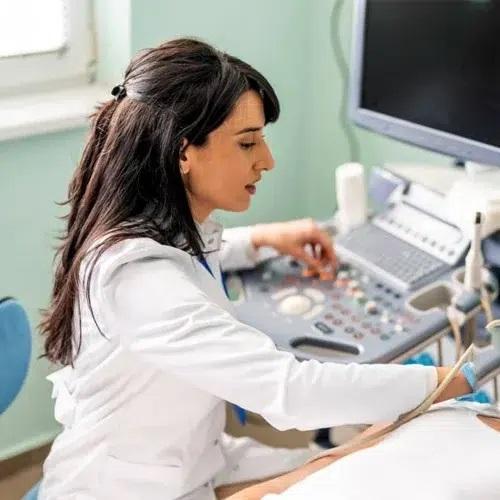
An abdominal ultrasound is commonly used to look for gallstones and signs of gallbladder problems.
It is noninvasive and does not use radiation.
Blood TestsBlood tests may help identify inflammation, infection, or problems involving the liver or pancreas.
Additional ImagingDepending on symptoms and initial findings, healthcare professionals may recommend additional imaging or specialized tests.
The choice depends on the suspected cause and the patient's condition.
How Is Biliary Colic Treated?Treatment depends on the severity of symptoms, whether gallstones are present, and whether complications have developed.
Pain ManagementA healthcare professional may recommend appropriate pain-relief medication.
People should follow medical advice regarding medication, particularly if they have other medical conditions or take prescription medicines.
Dietary ChangesSome people find that reducing foods that trigger symptoms can help reduce attacks.
Common dietary strategies may include:
- Eating smaller meals
- Limiting very fatty foods
- Reducing fried foods
- Choosing lean proteins
- Eating more fruits and vegetables
- Maintaining a balanced diet
Dietary changes may help manage symptoms, but they do not remove existing gallstones.
Gallbladder RemovalFor people who experience repeated symptomatic gallstones, surgery to remove the gallbladder may be recommended.
The procedure is called a cholecystectomy.
Most commonly, it is performed using minimally invasive laparoscopic techniques.
After gallbladder removal, bile continues to be produced by the liver. Instead of being stored in the gallbladder, it flows directly into the small intestine.
Can Biliary Colic Go Away on Its Own?Yes, an individual episode can resolve when the gallstone moves away from the duct.
However, this does not necessarily mean the underlying gallstones are gone.
Someone who experiences one episode may experience another later.
Repeated attacks should be discussed with a healthcare professional because recurrent symptoms may indicate the need for further evaluation or treatment.
Can You Prevent Biliary Colic?It is not always possible to prevent gallstones, but certain lifestyle habits may lower the risk.
Maintain a Healthy WeightA healthy weight can reduce the risk of gallstone formation. However, extremely rapid weight loss can increase gallstone risk.
Lose Weight GraduallyIf weight loss is recommended, gradual weight reduction is generally preferable to crash dieting.
Eat a Balanced DietA balanced diet containing fiber-rich foods, vegetables, fruits, whole grains, and healthy sources of protein can support overall health.
Stay Physically ActiveRegular physical activity can support healthy weight management and general digestive health.
Avoid Extreme DietingVery low-calorie diets and rapid weight-loss programs may increase the risk of gallstones.
Foods That May Trigger SymptomsFood triggers can vary, but high-fat meals are commonly associated with gallbladder symptoms.
Some people may notice discomfort after eating:
- Fried foods
- Fast food
- Fatty meats
- Heavy cream-based dishes
- Full-fat dairy products
- Large meals
- Certain processed foods
Instead, consider balanced meals with moderate portions and healthier sources of fat.
However, dietary restrictions should be personalized, especially for people with existing medical conditions.
Can You Live Without a Gallbladder?Yes.
The gallbladder is useful for storing bile, but it is not essential for survival.
After gallbladder removal, the liver continues producing bile. The bile flows directly into the small intestine.
Some people experience temporary digestive changes after surgery, such as:
- Loose stools
- Bloating
- Changes in bowel habits
These symptoms often improve as the body adjusts.
Biliary Colic in ChildrenGallstones can also occur in children, although they are less common than in adults.
Children with gallstones may experience:
- Upper abdominal pain
- Nausea
- Vomiting
- Pain after eating
Persistent abdominal pain in a child should be evaluated by a healthcare professional rather than assumed to be biliary colic.
Biliary Colic During PregnancyPregnancy can increase the risk of gallbladder problems because hormonal changes can affect bile and gallbladder function.
Pregnant individuals with severe abdominal pain should contact their healthcare provider promptly.
Medical professionals can determine which tests and treatments are appropriate during pregnancy.
Biliary Colic and Emergency CareMost uncomplicated episodes are not necessarily life-threatening, but severe abdominal pain should never be ignored.
Emergency evaluation becomes particularly important when symptoms suggest infection, obstruction, or another serious condition.
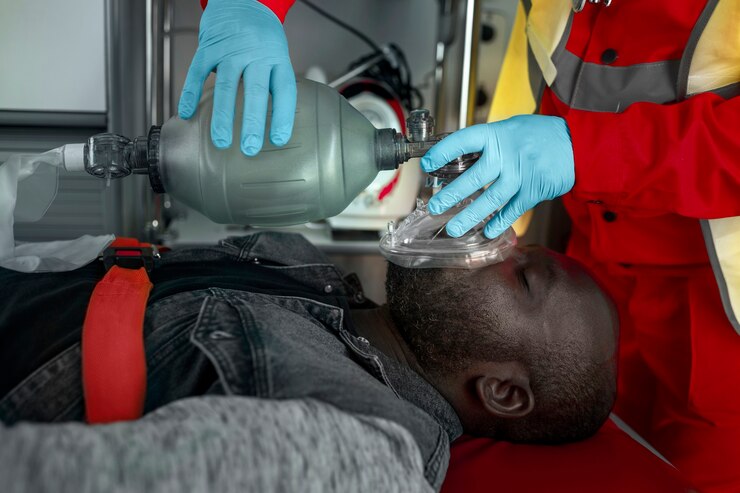
ER OF MESQUITE can serve as an option for emergency evaluation when severe symptoms occur and immediate medical attention is needed.
Emergency professionals may perform an examination and order appropriate diagnostic tests to determine whether the pain is related to gallstones or another medical condition.
What to Expect During an Emergency EvaluationIf you visit an emergency facility for severe abdominal pain, the medical team may:
- Ask about your symptoms and medical history.
- Check your vital signs.
- Perform an abdominal examination.
- Order blood tests when appropriate.
- Use ultrasound or other imaging when necessary.
- Provide treatment for pain or other symptoms.
- Determine whether you need further specialist care.
The exact process depends on your symptoms and test results.
Final Thoughts
Biliary colic is usually associated with gallstones that temporarily interfere with the normal flow of bile. The condition commonly causes sudden, steady pain in the upper-right or upper-middle abdomen and may occur after eating. Nausea and vomiting can also occur.
Although an episode may disappear when a gallstone moves, recurring symptoms should not be ignored. Gallstones can sometimes cause complications such as gallbladder inflammation, bile duct obstruction, or pancreatitis.
Knowing the warning signs is important. Severe or persistent pain, fever, jaundice, repeated vomiting, or other concerning symptoms should receive prompt medical evaluation. When emergency assessment is necessary, ER OF MESQUITE can provide professional evaluation and emergency care.