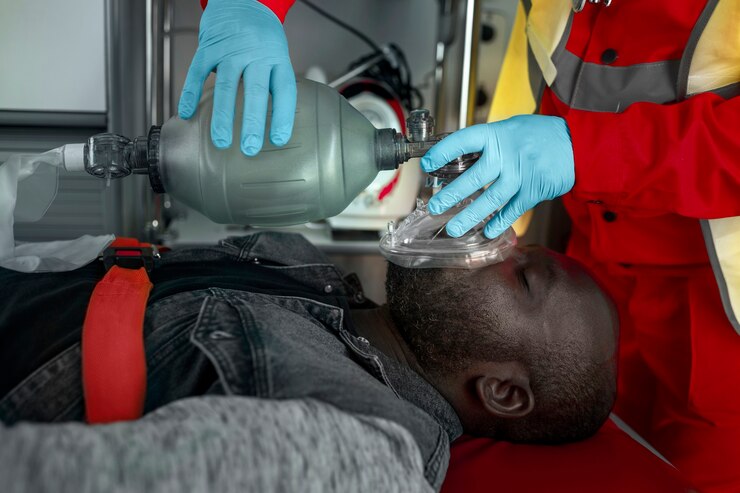

7 Powerful Tips for Finding the Closest Emergency Room Quickly
Learn how to find the closest emergency room, recognize emergency symptoms, understand ER services, and know when to choose emergency care.
Introduction
During a medical emergency, every second can matter. Knowing how to find the closest emergency room can help you get appropriate medical attention without unnecessary delays. Whether you are dealing with severe chest pain, difficulty breathing, a serious injury, or another urgent condition, understanding when and where to seek emergency care is important.
Emergency rooms are designed to treat serious and potentially life-threatening conditions. Unlike regular clinics, they operate around the clock and have access to emergency physicians, diagnostic equipment, laboratory testing, imaging, and other resources needed for urgent medical situations.
This guide explains how to find the right emergency room, when emergency care is necessary, what to expect during an ER visit, and how facilities such as ER OF COPPELL can support patients when immediate medical attention is required.
What Is an Emergency Room?An emergency room, commonly called an ER or emergency department, is a medical facility designed to evaluate and treat patients with serious or unexpected health problems.
Emergency rooms are different from primary care offices and urgent care centers. They are equipped to handle conditions that may require immediate medical attention, advanced testing, emergency procedures, monitoring, or hospital-level treatment.
Emergency departments commonly have access to:
- Emergency physicians and medical staff
- Diagnostic imaging
- Laboratory testing
- Cardiac monitoring
- Emergency medications
- Treatment rooms
- Medical equipment for serious injuries and illnesses
- Specialists when needed
Emergency rooms are open 24 hours a day, including weekends and holidays.
Why Finding an Emergency Room Quickly MattersWhen someone experiences a serious medical problem, waiting too long to receive care can increase the risk of complications.
For example, symptoms such as sudden chest pressure, difficulty breathing, severe bleeding, or signs of a stroke may require immediate evaluation.
Finding emergency care quickly can help you:
- Receive an early medical assessment
- Start appropriate treatment sooner
- Access diagnostic testing
- Get emergency medications when needed
- Receive specialist care when necessary
- Arrange hospital admission or transfer if required
The goal should not simply be to find the nearest building. The priority is reaching appropriate emergency medical care as quickly and safely as possible.
When Should You Go to an Emergency Room?Emergency rooms are appropriate when an illness or injury could be serious, life-threatening, or require immediate medical evaluation.
Common reasons to seek emergency care include:
Severe Chest PainSudden or severe chest pain, especially when accompanied by shortness of breath, sweating, nausea, dizziness, or pain spreading to the arm, jaw, back, or shoulder, may require emergency evaluation.
Difficulty BreathingSevere difficulty breathing should be treated as an emergency, particularly when the person cannot speak normally, becomes confused, or develops bluish lips or skin.
Signs of StrokePossible stroke symptoms can include:
- Sudden weakness or numbness
- Facial drooping
- Difficulty speaking
- Sudden confusion
- Sudden vision problems
- Severe unexplained dizziness
- Sudden difficulty walking
Immediate emergency evaluation is important because some stroke treatments are time-sensitive.
Severe BleedingHeavy bleeding that does not stop with appropriate pressure requires emergency medical attention.
Serious InjuriesEmergency care may be necessary after:
- Major vehicle accidents
- Serious falls
- Severe burns
- Deep wounds
- Head injuries
- Suspected major fractures
- Injuries involving significant bleeding
Unexplained loss of consciousness should receive prompt medical evaluation, particularly if the person has an injury, breathing problem, seizure, or other concerning symptoms.
How to Find the Closest Emergency RoomWhen an emergency happens, searching for medical care should be quick and straightforward.
Use a Reliable Map or Search ServiceA smartphone or navigation system can help identify nearby emergency departments. Search for an emergency room or emergency department and check the available locations.
Check the Facility's ServicesDistance is important, but services also matter. A facility should be able to provide the type of emergency evaluation you may need.
Consider TrafficThe facility that appears closest on a map may not always be the fastest to reach. Traffic, road closures, construction, and weather can affect travel time.
Follow Emergency Medical AdviceIf emergency medical services are involved, follow the instructions of trained responders. They can determine the safest way to reach appropriate care.
Keep Important Information ReadyIf it can be done without delaying treatment, keep information such as:
- Current medications
- Known allergies
- Medical history
- Identification
- Insurance information
- Emergency contact details
Understanding the ER process can make the experience less stressful.
Step 1: Check-InWhen you arrive, staff will collect basic information about you and your medical concern.
Step 2: TriageA healthcare professional assesses the seriousness of your condition. This process helps determine how quickly you need to be seen.
Step 3: Medical EvaluationA physician or qualified medical professional examines you and asks questions about your symptoms, medical history, medications, and other relevant information.
Step 4: Diagnostic TestingIf necessary, the medical team may order laboratory tests or imaging.
Step 5: TreatmentTreatment depends on the diagnosis and may include medication, wound care, procedures, monitoring, or other emergency interventions.
Step 6: Discharge or AdmissionAfter evaluation and treatment, the medical team may:
- Discharge you with instructions
- Recommend follow-up care
- Prescribe medication
- Refer you to another healthcare provider
- Admit you to the hospital when additional treatment is necessary
People often expect emergency rooms to operate on a first-come, first-served basis. However, emergency departments generally prioritize patients according to the seriousness of their medical condition.
This means someone who arrives after you may be evaluated first if their condition is more serious.
Wait times can depend on:
- Number of patients
- Severity of cases
- Available medical staff
- Diagnostic testing requirements
- Time of day
- Hospital capacity
If your symptoms become worse while waiting, tell the medical staff immediately.
How ER OF COPPELL Supports Emergency CareER OF COPPELL is a healthcare brand focused on emergency medical services for patients who need immediate evaluation and treatment.
When someone is experiencing a serious medical problem, an emergency facility can provide access to trained medical professionals and diagnostic resources needed to assess the condition.
ER OF COPPELL can be an important option for patients looking for emergency care in the Coppell area.
Patients should always consider the seriousness of their symptoms and follow appropriate emergency medical guidance rather than delaying treatment while comparing facilities.
Common Services Available in Emergency CareEmergency departments can provide treatment for many different types of medical problems.
Injury TreatmentEmergency teams can evaluate injuries such as:
- Fractures
- Cuts
- Burns
- Head injuries
- Sports injuries
- Accident-related injuries
Emergency care may be needed for serious symptoms associated with:
- Respiratory problems
- Severe infections
- Dehydration
- Severe abdominal pain
- Neurological symptoms
- Severe allergic reactions
Depending on the facility and the patient's condition, emergency diagnostic services may include imaging and laboratory testing.
Emergency Care for ChildrenChildren can develop serious symptoms quickly, and parents may not always know whether a condition requires emergency treatment.
Seek emergency medical care for serious symptoms such as:
- Severe breathing difficulty
- Serious injuries
- Unresponsiveness
- Seizures
- Severe bleeding
- Serious allergic reactions
Parents should not delay emergency care while trying to determine whether a child can wait for a routine appointment.
Emergency Care for Older AdultsOlder adults may experience serious medical conditions with symptoms that are not always obvious.
Sudden changes in:
- Alertness
- Breathing
- Balance
- Speech
- Strength
- Behavior
may require urgent medical evaluation.
Family members and caregivers should pay attention to sudden changes and seek appropriate medical assistance when serious symptoms appear.
What Should You Bring to the Emergency Room?If your condition allows you to gather belongings without delaying care, bring useful medical information.
Consider taking:
- Photo identification
- Insurance card
- List of medications
- List of allergies
- Relevant medical records
- Emergency contact information
- Information about existing medical conditions
However, never delay emergency treatment simply because you do not have these items.
How to Prepare for an Emergency Before It HappensYou cannot predict every emergency, but you can prepare.
Know Nearby Emergency FacilitiesIdentify emergency departments close to your home, workplace, and frequently visited locations.
Save Important NumbersKeep emergency contact information easily accessible.
Maintain a Medication ListA current medication list can help medical professionals understand your treatment history.
Know Your AllergiesMake sure important allergies are clearly documented and communicated to healthcare providers.
Discuss Emergency Plans With FamilyFamilies should know what to do if someone develops a serious medical problem.
Common Mistakes People Make During EmergenciesWaiting Too LongSome people wait to see whether serious symptoms disappear. This can delay necessary treatment.
Driving When It Is UnsafeA person with severe symptoms may not be safe to drive. Emergency medical services may be more appropriate.
Focusing Only on DistanceThe closest facility is not always the only factor. The appropriate level of emergency care is more important than saving a few minutes if a more capable facility is needed.
Ignoring Worsening SymptomsIf symptoms become worse, medical professionals should be informed immediately.
Emergency Room Costs and InsuranceEmergency medical care can be expensive, and costs vary depending on the facility, services provided, insurance coverage, and treatment required.
Before a non-emergency visit, you may want to understand:
- Whether the facility accepts your insurance
- Your emergency care coverage
- Potential out-of-pocket expenses
- Available payment options
However, during a genuine emergency, financial concerns should not cause a dangerous delay in seeking necessary medical attention.
Why Location Matters During an EmergencyA nearby emergency room can be convenient, especially when immediate evaluation is necessary.
Location can affect:
- Travel time
- Transportation options
- Family accessibility
- Follow-up convenience
Still, patients should prioritize the appropriate level of care. In a serious emergency, calling emergency medical services may be safer than attempting to drive to an emergency room yourself.
Emergency Room Safety TipsWhen seeking emergency care:
- Stay calm and provide accurate information.
- Tell medical staff about allergies and medications.
- Explain when symptoms started.
- Describe any changes in symptoms.
- Follow medical instructions.
- Ask questions if you do not understand your treatment plan.
- Do not leave before speaking with medical staff if you believe you still need care.
An emergency room treats potentially serious and life-threatening conditions, while urgent care generally handles medical problems that need prompt attention but are not life-threatening.
How can I find the closest emergency room?You can use a reliable map or search service to identify nearby emergency departments. In a serious emergency, emergency medical services can help determine the safest way to receive care.
Should I drive myself to an emergency room?If you have severe symptoms, feel faint, have difficulty breathing, or have another potentially life-threatening condition, driving yourself may be unsafe. Contact emergency medical services instead.
Is an emergency room open 24 hours?Most hospital emergency departments operate 24 hours a day, seven days a week, including holidays.
What symptoms require emergency care?Symptoms such as severe chest pain, difficulty breathing, uncontrolled bleeding, stroke signs, loss of consciousness, and serious injuries can require emergency care.
Can children go to an emergency room?Yes. Emergency departments treat patients of all ages, including children, when serious or potentially life-threatening symptoms occur.
Final ThoughtsKnowing how to locate emergency medical care before an emergency happens can make a stressful situation easier to manage. A nearby emergency room can provide immediate evaluation for serious illnesses and injuries, while emergency medical services can help when traveling to a facility yourself may be unsafe.
The most important thing is to recognize serious symptoms and avoid unnecessary delays. Whether you need emergency treatment for an injury, breathing problem, severe illness, or other urgent condition, getting appropriate medical attention quickly should always be the priority.
For patients in and around Coppell, ER OF COPPELL provides an emergency care option for situations that require immediate medical evaluation and treatment.
Meowdoku: use the fixed cat before making a guess
A practical introduction to cat-placement logic, region candidates and notes in an indepen...

Fruit merge planning: keep a landing route open
A short guide to reading space, matching fruit and using the next-fruit preview in a brows...