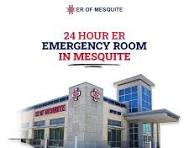

7 Powerful Facts About a Hospital Emergency Room: What to Know
A hospital emergency room provides immediate medical evaluation and treatment for serious, sudden, or potentially life-threatening health problems. Learn when to visit, what to expect, how emergency care works, and how to prepare for an ER visit.
Introduction
A sudden illness or injury can happen without warning, and knowing where to seek care can make a major difference. A hospital emergency room is designed to evaluate and treat patients who may have serious or life-threatening medical conditions. Emergency departments operate around the clock and use medical professionals, diagnostic testing, medications, and emergency procedures to stabilize patients and provide appropriate treatment.
Unlike routine doctor's appointments, emergency care focuses on conditions that cannot safely wait. Chest pain, severe injuries, difficulty breathing, uncontrolled bleeding, and symptoms of stroke are examples of situations that may require immediate evaluation.
This guide explains how emergency rooms work, when to go, what happens after arrival, and how an emergency room differs from urgent care.
What Is a Hospital Emergency Room?
A hospital emergency room, commonly called an emergency department or ER, is a medical facility equipped to handle urgent and potentially life-threatening conditions.
Emergency departments typically provide:
- 24/7 emergency medical evaluation
- Treatment for serious injuries and illnesses
- Diagnostic testing
- Imaging services when needed
- Emergency medications
- Stabilization and monitoring
- Specialist consultations
- Treatment for patients requiring hospital admission
- Emergency procedures and resuscitation
The ER is designed to prioritize patients according to the seriousness of their condition rather than simply treating people in the order they arrive.
When Should You Go to the Emergency Room?
Knowing when emergency care is appropriate can help you make faster decisions during a medical crisis.
Seek emergency medical attention for symptoms such as:
Chest Pain or Pressure
Sudden or severe chest pain, especially when accompanied by sweating, nausea, shortness of breath, dizziness, or pain spreading to the arm, jaw, back, or shoulder, may require immediate evaluation.
Trouble Breathing
Severe difficulty breathing, sudden shortness of breath, blue or gray lips, or an inability to speak normally because of breathing problems can be emergency symptoms.
Signs of Stroke
Possible stroke symptoms include:
- Sudden facial drooping
- Weakness or numbness on one side
- Difficulty speaking or understanding speech
- Sudden vision problems
- Severe unexplained dizziness
- Sudden loss of coordination
Stroke symptoms require urgent medical attention because treatment can be time-sensitive.
Severe Injuries
An ER may be appropriate for:
- Serious burns
- Major cuts or uncontrolled bleeding
- Suspected broken bones with severe deformity
- Head injuries
- Serious falls
- Motor vehicle injuries
- Deep wounds
- Severe abdominal injuries
Loss of Consciousness or Seizures
Unexplained fainting, prolonged unconsciousness, or a first-time seizure should receive prompt medical evaluation.
Common Conditions Treated in an Emergency Room
Emergency departments treat a wide range of medical problems. Common examples include:
- Severe infections
- Asthma attacks
- Severe allergic reactions
- Broken bones
- Deep wounds
- Head injuries
- Severe abdominal pain
- Kidney stone symptoms
- Gallbladder-related pain
- Dehydration
- High fever with concerning symptoms
- Severe vomiting or diarrhea
- Pregnancy-related emergencies
- Poisoning or overdose
- Sudden neurological symptoms
The appropriate level of care depends on the patient's symptoms, medical history, age, and overall condition.
What Happens When You Arrive at the ER?
The emergency room process generally follows several steps.
1. Registration
Basic information is collected when you arrive. In a serious emergency, medical assessment can begin before all administrative details are completed.
2. Triage
A nurse or medical professional evaluates your symptoms and determines how urgently you need care.
Important: Emergency rooms generally use triage, so the sickest patients are treated first. This means someone who arrives after you may be seen before you.
3. Medical Evaluation
A healthcare professional reviews your symptoms, medical history, medications, allergies, and vital signs. Depending on the situation, additional examinations may be performed.
4. Diagnostic Testing
The medical team may order tests such as:
- Blood tests
- Urine tests
- X-rays
- CT scans
- Ultrasound
- ECG/EKG
- Other imaging or laboratory tests
Testing depends on the symptoms and suspected condition.
5. Treatment
Treatment may include medication, fluids, wound care, oxygen, splinting, or other emergency interventions.
6. Discharge or Admission
After evaluation and treatment, patients may be:
- Discharged with home-care instructions
- Referred for follow-up care
- Asked to return for additional evaluation
- Admitted to the hospital for continued treatment
Hospital Emergency Room vs. Urgent Care
Emergency rooms and urgent care centers both treat patients who need prompt medical attention, but they serve different purposes.
Hospital Emergency RoomUrgent CareDesigned for emergenciesDesigned for non-life-threatening problemsAvailable 24/7 at many hospitalsHours vary by locationTreats potentially life-threatening conditionsTreats common minor illnesses and injuriesCan provide extensive emergency testingUsually offers more limited testingCan arrange hospital admissionUsually does not provide inpatient admission
Examples of conditions often suitable for urgent care include mild infections, minor cuts, uncomplicated sprains, mild cold or flu symptoms, and other problems that do not appear life-threatening.
When symptoms are severe, rapidly worsening, or potentially dangerous, emergency evaluation is generally more appropriate.
What Should You Bring to the Emergency Room?
If your condition allows you to prepare before leaving, consider bringing:
- Photo identification
- Insurance information
- A list of current medications
- Information about allergies
- Relevant medical records
- Contact information for an emergency contact
- A phone and charger
However, do not delay emergency care to gather documents or belongings if you are experiencing a potentially life-threatening emergency.
How to Prepare for an Emergency Before It Happens
You cannot always predict when emergency care will be necessary, but basic preparation can make an unexpected visit easier.
Keep an updated list of:
- Prescription medications
- Medication allergies
- Major medical history
- Previous surgeries
- Important healthcare contacts
- Emergency contact information
Families can also discuss where to seek emergency care and how to contact emergency medical services.
Frequently Asked QuestionsWhat is the main purpose of a hospital emergency room?
The main purpose is to rapidly evaluate and treat serious, sudden, or potentially life-threatening medical conditions and injuries.
When should I go to the emergency room?
Go to the ER for potentially serious symptoms such as severe chest pain, major difficulty breathing, stroke symptoms, uncontrolled bleeding, serious injuries, loss of consciousness, or other rapidly worsening conditions.
Is an ER open 24 hours?
Many hospital emergency departments operate 24 hours a day, seven days a week. However, specific services and facilities can vary by location.
For more blogs visit : https://jogajog.com.bd/blogs/165359/Borderline-ECG-7-Vital-Facts

Best Yoga Retreat in Rishikesh: The One You Can Still Keep at Home
The best yoga retreat in Rishikesh is the one whose clock and sequence survive Monday — ad...


The Changing Digital Landscape: Technology, Innovation, and Online Exp...


The Evolution of Digital Entertainment: Exploring Modern Online Experi...