
7 Microdermabrasion Benefits You Should Know
Discover the benefits of microdermabrasion for smoother, brighter skin. Learn how this gentle exfoliation treatment helps improve skin texture, unclog pores, and reveal a radiant glow.
Microdermabrasion is a popular non-invasive skincare treatment designed to improve the appearance and texture of the skin. It gently exfoliates the outermost layer of dead skin cells, helping reveal a smoother, brighter, and more refreshed complexion. For individuals looking to address dullness, uneven skin texture, mild discoloration, or clogged pores, microdermabrasion can be a useful addition to a regular skincare routine.
Unlike more intensive resurfacing procedures, microdermabrasion typically requires little to no downtime. The treatment is commonly performed on the face, although other areas of the body may also benefit. Its gentle approach makes it an appealing option for people who want to improve their skin's appearance without undergoing an invasive procedure.
However, understanding what microdermabrasion can and cannot achieve is important before choosing the treatment. Results vary depending on skin type, existing concerns, treatment frequency, and aftercare habits.
This article explores seven important Microdermabrasion benefits, explains how the procedure works, and provides practical guidance for anyone considering this skincare treatment.
What Is Microdermabrasion and How Does It Work?
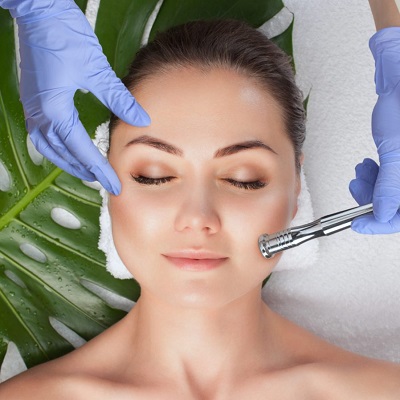
Microdermabrasion is a cosmetic skin-resurfacing treatment that exfoliates the outermost layer of the skin. A handheld device is used to remove dead skin cells through controlled abrasion and suction. Some devices use a diamond-tipped surface, while others use fine crystals to help exfoliate the skin.
The procedure is generally performed by a trained skincare professional. During treatment, the device moves across the skin to loosen and remove surface debris and dead cells. This process helps improve skin smoothness and gives the complexion a fresher appearance.
Microdermabrasion is different from chemical peels and more intensive laser treatments because it primarily targets the skin's outermost surface. It does not reach the deeper layers of the skin where significant scars, deep wrinkles, and other structural concerns develop.
A typical session may take approximately 20 to 45 minutes, depending on the treatment area and individual needs. Mild redness, tightness, or sensitivity may occur afterward, but these effects usually settle relatively quickly.
7 Microdermabrasion Benefits You Should Know
Microdermabrasion offers several potential benefits for people seeking a smoother, more radiant complexion. The following advantages explain why the treatment remains a common choice for addressing mild surface-level skin concerns.
1. Helps Improve Skin Texture and Smoothness
One of the main benefits of microdermabrasion is its ability to improve the feel and appearance of uneven skin texture. Dead skin cells can accumulate on the surface, leaving the complexion looking rough, flaky, or less refined.
By gently removing this buildup, microdermabrasion helps create a smoother skin surface. Makeup may also apply more evenly when rough patches and superficial dryness are reduced.
People who experience mild textural irregularities may notice that their skin feels softer after treatment. However, the procedure is not a solution for every type of uneven texture. Deep acne scars, pronounced indentations, and significant skin damage usually require different treatment approaches.
Maintaining gentle skincare habits between sessions can help preserve the smoother appearance achieved through exfoliation.
2. Promotes a Brighter and More Radiant Complexion
Dull-looking skin can develop when dead cells accumulate on the skin's surface. Environmental exposure, dryness, and natural changes in skin-cell turnover can contribute to a lackluster appearance.
Microdermabrasion removes some of this surface buildup, allowing the skin to appear fresher and more luminous. This benefit is particularly appealing to individuals who feel their complexion looks tired or uneven.
The treatment may provide a temporary glow, making it an option for people preparing for a special occasion or seeking a refreshed appearance.
It is important to understand that brighter-looking skin does not necessarily mean a permanent change in pigmentation. Microdermabrasion does not alter a person's natural skin tone, and it cannot reliably eliminate every type of dark spot. Consistent sun protection and an appropriate skincare routine remain essential for maintaining an even-looking complexion.
3. May Help Reduce the Appearance of Mild Dark Spots
Uneven pigmentation can develop for several reasons, including sun exposure, post-inflammatory marks, and the natural aging process. These spots may make the complexion appear less uniform.
Microdermabrasion can sometimes help improve the appearance of superficial discoloration by removing pigment-containing cells from the outermost layer of the skin. With a suitable treatment plan, some individuals may notice gradual improvements in mild, surface-level dark spots.
However, the results depend on the depth and cause of the pigmentation. Deeper pigmentation, melasma, and persistent discoloration may not respond well to microdermabrasion alone.
People with darker skin tones should be particularly careful when considering exfoliating procedures because excessive irritation can trigger post-inflammatory hyperpigmentation. A qualified professional can assess whether microdermabrasion is appropriate or whether another approach would be safer.
Daily broad-spectrum sunscreen is especially important because ultraviolet exposure can worsen existing discoloration and contribute to new dark spots.
4. Helps Unclog Pores and Improve the Appearance of Blackheads
Pores can become more noticeable when oil, dead skin cells, and other debris accumulate around their openings. Blackheads develop when material inside a pore becomes exposed to air and darkens.
Microdermabrasion helps remove surface dead skin cells and may improve the appearance of congestion, especially when the buildup is relatively mild. The exfoliation process can leave the skin feeling cleaner and smoother.
Although the treatment may support a skincare routine for people concerned about clogged pores, it does not completely remove every blackhead or prevent future breakouts. Ongoing oil production and other acne-related factors can continue to affect the pores.
Individuals with persistent blackheads or acne may benefit from a more targeted approach, such as suitable topical skincare products or other professionally recommended treatments.
Active inflammatory acne, painful lesions, and irritated skin should be assessed before undergoing microdermabrasion, as mechanical exfoliation may worsen inflammation in some cases.
5. Softens the Appearance of Fine Lines
Fine lines often become more noticeable when skin is dry, rough, or uneven. Surface exfoliation can improve the way light reflects from the skin, making some fine lines appear less prominent.
Microdermabrasion may therefore help create a smoother-looking complexion, particularly when the lines are shallow and accompanied by surface dryness or texture changes.
However, it is important to keep expectations realistic. Microdermabrasion does not significantly tighten loose skin or erase deep wrinkles. It also does not provide the same level of treatment as procedures designed to target collagen remodeling in deeper skin layers.
For individuals seeking a refreshed appearance without extensive recovery time, microdermabrasion may offer a modest improvement in skin smoothness.
Combining appropriate exfoliation with moisturizer, sun protection, and other evidence-based skincare practices can help support the skin's overall appearance.
6. Improves the Absorption of Certain Skincare Products
Dead skin cells and surface buildup can affect how skincare products spread across the skin. After microdermabrasion, the freshly exfoliated surface may allow some topical products to distribute more evenly.
This can make the skincare routine feel more effective, especially when using moisturizers designed to support the skin barrier.
Nevertheless, improved product application should not be confused with a guarantee of deeper or greater absorption. The effect varies according to the product's ingredients, formulation, and the condition of the skin.
Immediately after treatment, the skin may be more sensitive than usual. Strong active ingredients, including retinoids, exfoliating acids, and certain acne treatments, can cause additional irritation if applied too soon.
A gentle moisturizer and a broad-spectrum sunscreen are generally suitable priorities for post-treatment care. Any stronger products should be resumed according to professional guidance and the skin's recovery.
7. Offers Skin Refreshment With Minimal Downtime
Another major advantage of microdermabrasion is that it generally involves little recovery time compared with more intensive resurfacing procedures.
Many people can return to their usual daily activities shortly after treatment. Temporary redness, mild swelling, dryness, or sensitivity may occur, but these effects are usually short-lived.
This makes microdermabrasion appealing to individuals who want to improve their skin's appearance without planning for an extended recovery period.
However, minimal downtime does not mean the treatment is entirely risk-free. Excessive pressure, overly frequent sessions, or inappropriate treatment of sensitive skin can cause irritation, abrasions, and pigmentation changes.
A suitable treatment schedule should account for the skin's condition and response. More frequent exfoliation is not necessarily better, and allowing the skin to recover between sessions is important.
Who Is a Good Candidate for Microdermabrasion?
Microdermabrasion may be suitable for individuals who want to address mild surface-level concerns, including dullness, rough texture, superficial discoloration, and some forms of pore congestion.
People with relatively healthy skin who prefer a non-invasive cosmetic treatment may find it useful as part of a broader skincare plan.
However, microdermabrasion is not appropriate for everyone. Individuals with active inflammatory acne, rosacea flare-ups, eczema, dermatitis, open wounds, sunburn, or skin infections may need to avoid the procedure until the condition has resolved. Those with a history of abnormal scarring or significant pigmentation problems should seek an individualized assessment before treatment.
People using prescription acne medications or products that increase skin sensitivity should also discuss their skincare routine with a qualified healthcare professional before undergoing exfoliation.
A professional assessment can help determine whether microdermabrasion is appropriate and whether another treatment would better address the underlying concern.
What to Expect Before, During, and After Treatment
Understanding the treatment process can help individuals prepare for microdermabrasion and achieve more consistent results.
Before a session, the skin should be assessed for sensitivity, active breakouts, irritation, and other conditions that may increase the risk of complications. The treating professional may recommend temporarily avoiding certain exfoliating products or other irritating ingredients.
During the procedure, the skin is cleansed and a handheld device is moved gently across the treatment area. Most people experience a mild scratching or suction sensation. Treatment usually does not require anesthesia, although comfort levels vary.
After the session, the skin may appear slightly pink or feel tight. These effects typically improve within a short period. Gentle cleansing, regular moisturizing, and diligent sun protection can help support recovery.
For best results, individuals should avoid aggressive scrubs, harsh cleansers, and potentially irritating active ingredients until the skin has settled. Picking at the skin or exposing it to excessive sunlight should also be avoided.
Microdermabrasion often produces gradual improvements rather than dramatic, permanent changes. Multiple sessions may be recommended depending on the concern being treated, but the appropriate frequency should be determined by skin tolerance and professional guidance.
Frequently Asked Questions About Microdermabrasion
1. Is microdermabrasion safe for all skin types?
Microdermabrasion can be suitable for many skin types, but it is not appropriate for everyone. Sensitive or inflamed skin may react poorly, and people prone to pigmentation changes should take extra care. An individual assessment helps determine whether the treatment is suitable.
2. How many microdermabrasion sessions are needed to see results?
Some people notice smoother skin and a brighter appearance after one session. More noticeable improvements in texture or superficial discoloration may require multiple treatments. The number of sessions depends on individual skin concerns, treatment intensity, and recovery.
3. Does microdermabrasion hurt?
The procedure is generally well tolerated. Most people describe a mild scratching, rubbing, or suction sensation rather than significant pain. Discomfort may occur if the skin is sensitive or the treatment is too aggressive.
4. Can microdermabrasion remove acne scars?
Microdermabrasion may improve mild surface irregularities, but it generally cannot remove deep or indented acne scars. More substantial scarring may require other treatments selected according to scar type and skin characteristics.
5. How long do microdermabrasion results last?
Results vary depending on skin condition, skincare habits, sun exposure, and the concern being treated. The smoother appearance may be noticeable immediately, but it is not permanent. Regular skincare and professionally recommended maintenance may help preserve improvements.
6. What should be avoided after microdermabrasion?
Harsh exfoliants, strong active ingredients, excessive sun exposure, and irritating skincare products should generally be avoided until the skin has recovered. Gentle cleansing, moisturizer, and broad-spectrum sunscreen are important. Specific aftercare instructions should be followed if irritation or prolonged redness develops.
Microdermabrasion can be a helpful option for people seeking smoother, brighter-looking skin with minimal downtime. Its benefits include improved surface texture, a fresher complexion, modest improvement in superficial discoloration, and a temporary reduction in the appearance of some fine lines and clogged pores.
The treatment works best when expectations remain realistic and skincare is tailored to individual needs. It cannot replace treatments for deeper scars, persistent pigmentation, or significant wrinkles, and it may not be suitable for inflamed or highly sensitive skin.
By understanding the benefits, limitations, and aftercare requirements of microdermabrasion, individuals can make more informed decisions about whether the procedure fits their skincare goals.
Read More About Microdermabrasion: https://www.gooalsocial.com/blogs/view/43011

What Is the Best Daily Oral Hygiene Routine for Healthy Teeth?
Maintain healthy teeth with a daily routine of brushing twice, flossing, using fluoride to...

¿Qué precauciones se deben tomar antes de usar Kamagra 100 mg?
Kamagra se comercializa como un producto que contiene sildenafil, un principio activo que...


Mechatronics Engineering Curriculum: Learning Sensors, Actuators and E...