3 Methods Insulation Services Use to Improve Comfort Year-Round
Insulation services improve year-round comfort by sealing air leaks, managing heat flow, and stabilizing indoor temperatures. These three methods work together to reduce drafts in winter and overheating in summer. When applied correctly, they support steady comfort in changing weather conditions.
This article explains how Insulation Services approaches comfort improvement. It outlines practical methods, regional factors, and decision points that help property owners understand what works and why.
Why Comfort Depends on Proper InsulationIndoor comfort depends on how well a structure controls air movement and temperature shifts. Poor insulation allows heat loss, uneven temperatures, and excess humidity.
Experienced Insulation Experts focus on comfort first, not just energy savings. Their methods aim to create balanced indoor conditions that stay consistent throughout the year.
Method One: Air Sealing to Control DraftsAir leaks are one of the main causes of discomfort. Small gaps allow outdoor air to enter and indoor air to escape.
This method targets leaks before adding or upgrading insulation. It creates a stable indoor environment.
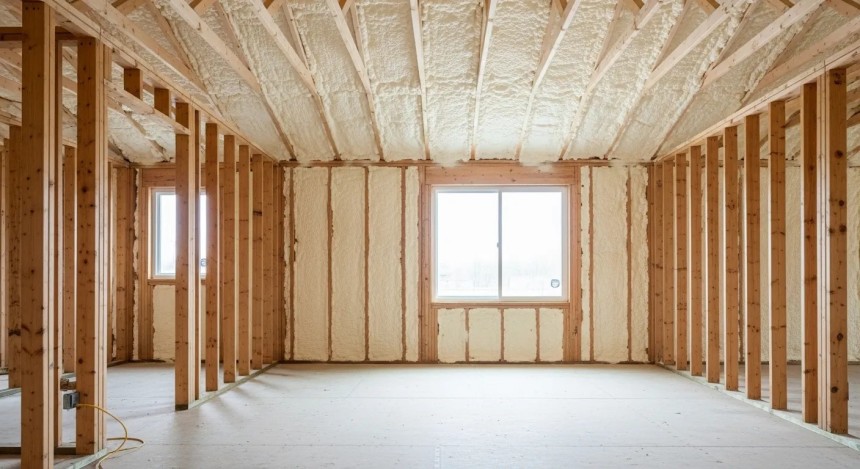 How air sealing improves comfort
Air sealing limits drafts and cold spots. It also reduces hot air intrusion during warmer months.
Common areas addressed during air sealing- Attic penetrations and access points
- Wall joints and framing gaps
- Window and door perimeters
Market data shows homes with air sealing report fewer temperature swings across seasons.
Bonus Tips- Air sealing works best before insulation upgrades.
- A full inspection helps identify hidden leaks.
Thermal control focuses on slowing heat transfer. This helps indoor spaces stay warm in winter and cool in summer.
Insulation Services selects materials based on wall depth, layout, and climate needs.
How thermal control supports daily comfortBy reducing heat movement, insulation keeps rooms closer in temperature. This limits cold floors and overheated upper levels.
Areas where thermal control matters most- Exterior walls
- Attic floors and rooflines
- Crawl spaces and basements
Data from residential projects shows improved comfort ratings after targeted thermal upgrades.
Method Three: Moisture and Humidity ManagementMoisture affects comfort as much as temperature. Excess humidity leads to damp air and discomfort.
Insulation helps manage moisture by limiting air movement that carries humidity indoors.
Why moisture control improves living conditionsBalanced humidity reduces that clammy feeling in cooler months. It also supports healthier indoor spaces.
Moisture-related comfort benefits- Reduced condensation on surfaces
- More stable indoor humidity
- Less musty indoor air
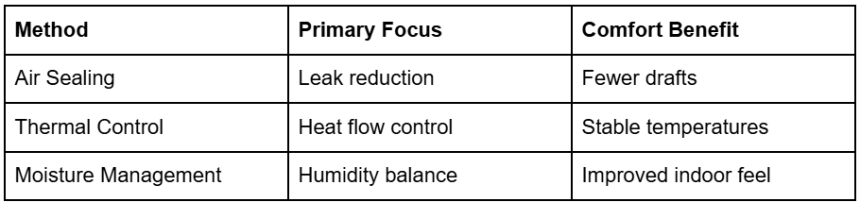
Each method supports the others. Air sealing improves thermal performance. Thermal control helps manage moisture.
The table below shows how these methods combine to improve comfort.
 Regional and Climate Considerations
Climate affects how insulation methods are applied. Cooler regions need stronger thermal control.
Areas with wet winters require added focus on moisture management. Local Insulation Services adjust methods based on seasonal conditions.
Market trends show increased insulation upgrades in mixed climates to improve year-round comfort.
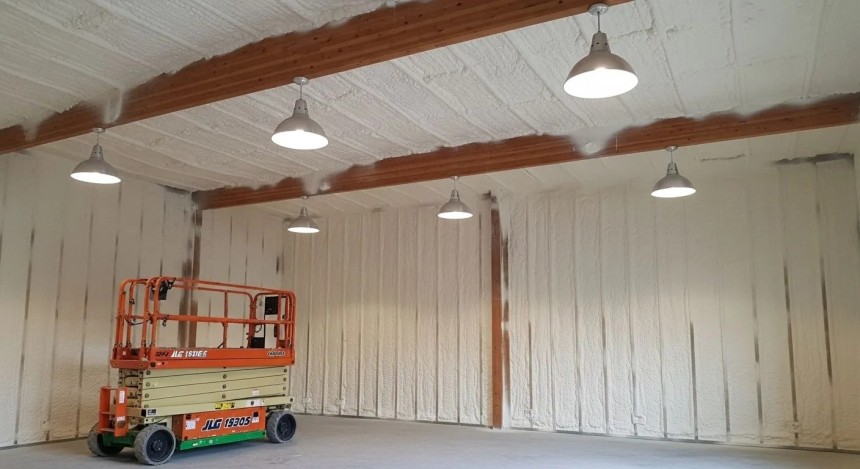
Material Selection and Installation QualityComfort depends on both material choice and application quality. Poor installation reduces performance.
A professional Insulation Contractor follows placement guidelines closely. This ensures materials perform as intended.
Signs of quality installation- Even coverage without gaps
- Proper fit around framing
- Clean transitions between areas
 Things to Consider Before Making a Decision
Before choosing insulation upgrades, property owners should review a few key factors.
These considerations help align comfort goals with the right methods.
- Local climate and seasonal changes
- Existing insulation condition
- Building layout and usage
Careful evaluation leads to better comfort outcomes.
Bonus Tips- Address air leaks before adding insulation.
- Ask about moisture control strategies during planning.
Insulation services improve comfort by sealing air leaks, controlling heat flow, and managing moisture. These three methods support steady indoor conditions in all seasons.
Property owners should assess their space, climate, and comfort goals before making changes.
Next Steps With Regional ExpertiseThose seeking guidance may consult Spray Foam Specialists for educational support on insulation options. Their Insulation Company provides information through [email protected] or by phone at (503) 713-6164. Speaking with experienced Insulation Experts helps align comfort goals with practical solutions.
Questions People Ask About Improving Comfort With InsulationHow quickly does comfort improve after insulation work?
Most homes feel changes within days, especially after air sealing.
Do all buildings need the same insulation methods?No. Layout, climate, and usage affect the approach.
Can insulation reduce room-to-room temperature differences?Yes. Proper placement helps balance temperatures.
Is moisture control always necessary?It matters most in damp or mixed climates.
Should older homes use different methods?Older structures often benefit from combined air sealing and thermal upgrades.
Modern Biomass Station Upgrades for Reliable Power Generation
Modern Biomass Station Upgrades for Reliable Power Generation


Dish Network Installers Near Me: Professional Satellite Dish Installat...