
10 Types of Office Signs Every Orange County Business Should Consider
Interior office signs in Orange County are defined as any type of sign placed inside your building to serve multiple purposes, whether to guide visitors, provide information, or enhance the aesthetics of your space.
A professional office is more than desks, computers, and furniture. The way visitors and employees move through the space also matters. Clear, attractive signage can make an office easier to navigate while reinforcing a company's brand and creating a polished first impression.
For businesses looking to improve their workplace environment, investing in Office Signs in Orange County can be an effective way to combine functionality, branding, and professional appearance.
From reception areas and conference rooms to employee-only spaces and building directories, the right signs can make every part of an office easier to understand. Here are ten types of office signs that Orange County businesses should consider.
1. Lobby and Reception SignsThe reception area is often the first part of an office visitors see. A well-designed lobby sign can immediately communicate the company's name, logo, and brand identity.
Common materials include acrylic, metal, PVC, dimensional lettering, and illuminated elements. The design can be simple and modern or more distinctive depending on the company's branding.
A professionally designed reception sign can help create a welcoming environment while giving the office a more established appearance.
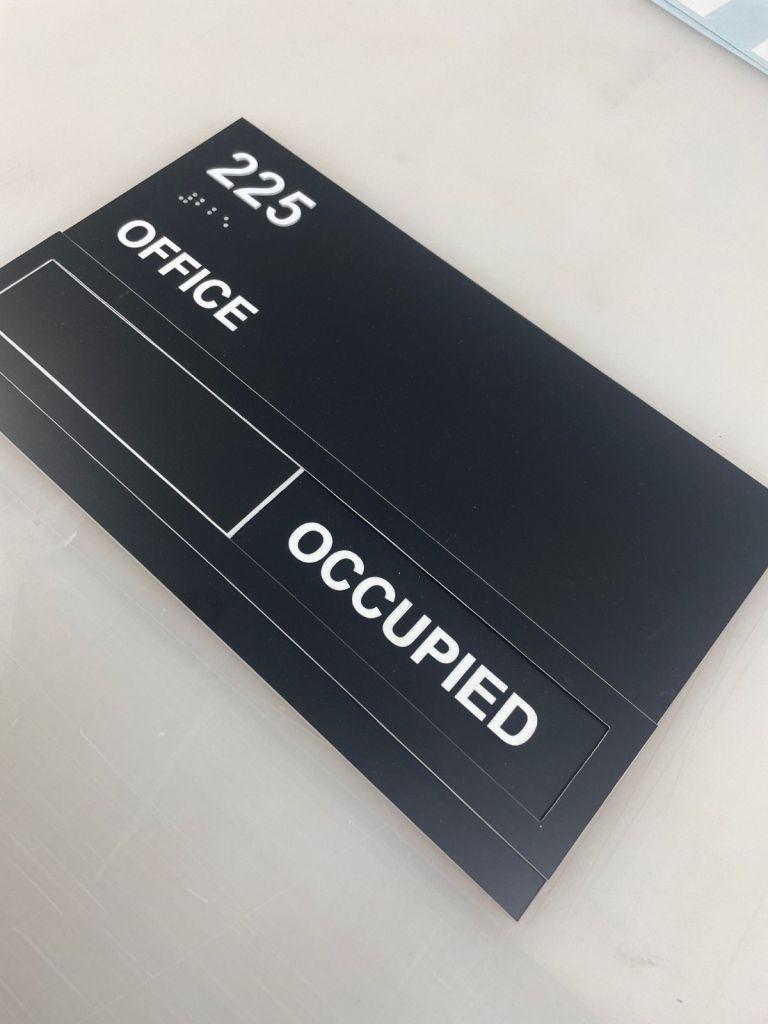
2. Office Door SignsDoor signs help visitors identify individual offices, departments, and workspaces without having to ask for directions.
They can display employee names, job titles, department names, or room numbers. Consistent typography, colors, and materials can also give the entire office a cohesive appearance.
For larger workplaces, standardized door signs can make it easier for visitors and employees to quickly locate the correct room.
3. Conference Room SignsConference rooms are frequently used for meetings with employees, clients, and business partners. Clear room identification signs make these spaces easier to locate.
Businesses can choose simple room-name signs or more customized designs that incorporate company colors and branding. Some offices also use signs that indicate whether a conference room is occupied or available.
For companies with several meeting spaces, consistent conference room signage can improve organization throughout the workplace.
4. ADA-Compliant SignsAccessibility should be an important consideration when planning office signage. ADA-compliant signs can help people identify permanent rooms and facilities while meeting applicable accessibility requirements.
These signs commonly incorporate features such as raised characters and Braille, along with appropriate contrast and mounting considerations.
Restrooms, exits, stairways, permanent room identification, and other areas may require specific signage depending on the building and application. Businesses should consider applicable federal, state, and local requirements when selecting ADA signage.
5. Directional and Wayfinding SignsLarge offices and commercial buildings can be confusing for first-time visitors. Directional signs help people find important areas without relying on reception staff for every question.
Examples include signs directing visitors toward:
- Reception
- Conference rooms
- Restrooms
- Elevators
- Waiting areas
- Break rooms
- Exits
- Specific departments
Effective wayfinding signage should be easy to read from a reasonable distance and placed where visitors naturally need guidance.
6. Office Directory SignsAn office directory provides an overview of businesses, departments, or tenants within a building.
These signs are especially useful for multi-tenant office buildings where several companies share the same property. A well-organized directory can make it easier for visitors to locate the right business before entering the building.
Directory signs can also be designed with interchangeable panels or other systems that make future updates easier when tenants or departments change.
7. Room Identification SignsNot every room requires a traditional office door sign. Specialized spaces such as training rooms, storage areas, break rooms, reception areas, and employee lounges can benefit from dedicated identification signs.
Clear room identification reduces confusion and helps employees and visitors understand how different areas are intended to be used.
Using a consistent design across these signs can also make the workplace feel more organized and professionally planned.
8. Dimensional Lettering and Logo SignsBusinesses that want their office signage to make a stronger visual statement can consider dimensional lettering or three-dimensional logo signs.
These signs can be manufactured from materials such as acrylic, metal, PVC, or other suitable substrates. Different finishes and depths can create a subtle or more prominent effect.
Dimensional lettering works particularly well behind reception desks, in waiting areas, conference rooms, and branded interior spaces.
Because the company logo is often the most recognizable part of a brand, incorporating it into interior signage can help reinforce brand identity throughout the workplace.
9. Safety and Regulatory SignsSafety signage serves a practical purpose by communicating important information to employees, customers, vendors, and visitors.
Depending on the facility, businesses may need signs identifying emergency exits, fire equipment, restricted areas, electrical rooms, employee-only spaces, or other safety-related locations.
These signs should prioritize clarity and visibility. Businesses should also ensure that required safety and regulatory signage follows applicable regulations and building requirements.
10. Custom Wall and Branding SignsOffice signage does not always have to be purely directional or informational. Custom wall signs can turn unused wall space into an opportunity for branding.
For example, a company might display its mission statement, core values, tagline, logo, or a custom graphic in a lobby or employee area.
Wall graphics and branded signs can help create a stronger connection between the physical workplace and the company's overall identity. They can also make an office feel more customized rather than looking like a generic commercial space.
How to Choose the Right Office SignsWith so many signage options available, businesses should begin by considering how people actually use their office.
Start by identifying the areas where visitors commonly need information or direction. Then determine which signs are required for accessibility, safety, room identification, and branding.
Material selection is another important consideration. Acrylic can provide a clean contemporary appearance, while metal can offer a more durable and sophisticated look. Dimensional lettering can add depth, while printed graphics provide flexibility for more detailed designs.
Businesses should also consider viewing distance, lighting, wall surfaces, maintenance, and the overall design of the interior.
Most importantly, the signage system should feel consistent. Using complementary materials, fonts, colors, and layouts throughout the building creates a more professional visual experience.
Why Professional Office Signage MattersGood office signage does more than tell people where to go. It contributes to the overall experience of the workplace.
Visitors can navigate the facility more independently, employees can locate rooms more easily, and the company's brand can remain visible throughout the environment.
Well-designed signage can also make a new or renovated office feel complete. Instead of treating each sign as an individual item, businesses can create a coordinated signage system that works across the entire facility.
Create a Professional Office Environment With Custom SignageWhether you operate a small professional office, a growing corporate workspace, or a multi-tenant commercial property, the right signage can improve both functionality and appearance.
From lobby signs and dimensional lettering to ADA signage, directories, and wayfinding systems, there are many ways to create a clear and professional environment.
If your business is planning new signage or updating an existing office, consider working with an experienced sign professional who can help determine the appropriate materials, designs, and applications for your space. A well-planned signage system can provide practical value while strengthening the way your business presents itself to employees, customers, and visitors.
NBA 2K27 Lightning Launch Guide for Beginners by U4gm
Lightning Launch in NBA 2K27 is about the first move from the perimeter: it helps a ball h...

Deburring and Surface Finishing with a Magnetic Polishing Machine
Every cutting operation leaves an edge. Sometimes the result is a visible curl of metal at...

Selecting the Right Magnetic Polishing Machine for Precision Component...
Buying finishing equipment looks simple until the first batch arrives. A machine that prod...
How a Magnetic Polishing Machine Works in Precision Surface Finishing
Precision metal parts almost always leave the machine shop with problems that drawings do...
How Can Scalable Web Applications Support Long-Term Business Growth?
