
Introduction
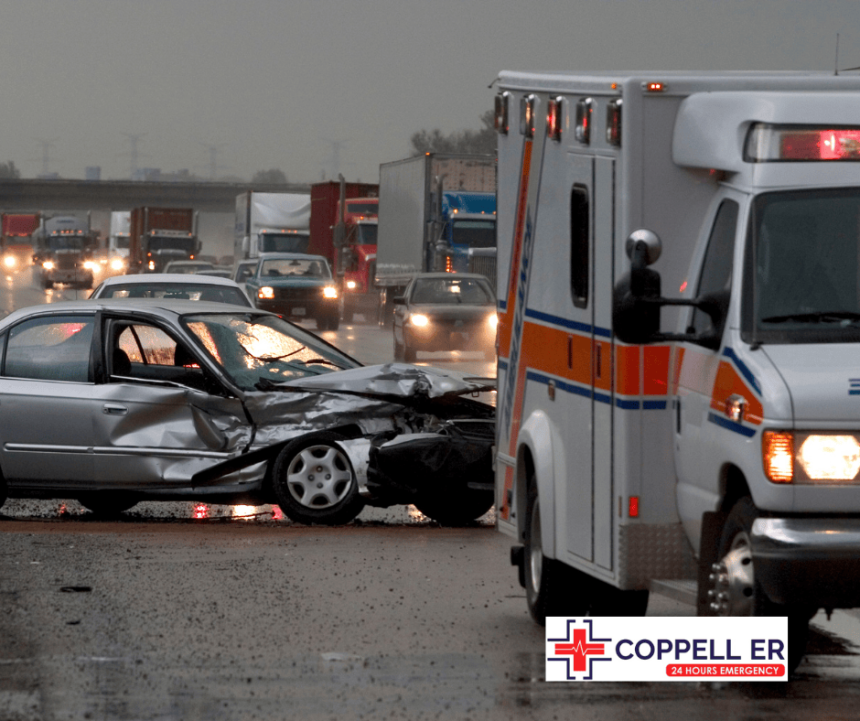
When accidents or sudden health problems strike, emergency rooms become the first line of defense in saving lives. They are designed to provide immediate medical care for serious injuries, sudden illnesses, and life-threatening conditions. Whether it’s chest pain, difficulty breathing, or a severe accident, emergency rooms are staffed with trained professionals who act quickly to stabilize patients.
This article will give you a detailed understanding of how emergency rooms work, what to expect during a visit, and why they are essential for community healthcare.
What Are Emergency Rooms?
Emergency rooms (ERs) are specialized hospital departments equipped to handle urgent and critical medical conditions. Unlike regular clinics or urgent care centers, ERs remain open 24/7 and treat patients without prior appointments.
They are designed to handle:
- Severe injuries (fractures, head trauma, burns)
- Heart-related issues (heart attacks, chest pain)
- Breathing difficulties
- Strokes
- Seizures
- Uncontrollable bleeding
- Life-threatening infections
Why Emergency Rooms Are Important
Emergency rooms are not just about immediate care—they play a crucial role in public health.
Key Reasons for Their Importance:
- Life-Saving Interventions: ERs have advanced equipment to respond quickly.
- 24/7 Availability: Open round-the-clock, ensuring no delay in treatment.
- Specialized Staff: Doctors, nurses, and technicians trained for emergencies.
- Access to Diagnostics: On-site labs and imaging for quick results.
- Support for All Patients: No matter the insurance or condition, ERs cannot deny critical care.
What to Expect During an Emergency Room Visit
Visiting the ER can feel overwhelming, especially during a crisis. Here’s a breakdown of what usually happens:
- Triage: Nurses assess how critical your condition is.
- Registration: Basic information and insurance details (if applicable).
- Initial Examination: Doctors quickly evaluate and order tests.
- Diagnostic Tests: X-rays, CT scans, blood work, or ultrasounds.
- Treatment: Medication, procedures, or surgery if required.
- Observation or Admission: Patients may be kept under observation or admitted to the hospital.
Common Conditions Treated in Emergency Rooms
Emergency rooms are designed to handle a wide range of cases.
Common Reasons for ER Visits:
- Chest pain or suspected heart attack
- Stroke symptoms (slurred speech, paralysis, dizziness)
- Severe allergic reactions
- Serious burns or cuts
- Major fractures and injuries from accidents
- Difficulty breathing or asthma attacks
- Seizures and fainting
- Severe abdominal pain
Tips for Visiting Emergency Rooms
- Bring Identification & Medical Records: Helps doctors assess your history quickly.
- Stay Calm: Panic can worsen symptoms.
- Be Clear About Symptoms: Provide accurate information.
- Ask Questions: Clarify treatments, medications, or follow-up care.
- Bring a Companion: For support and communication.
How Emergency Rooms Handle Critical Situations
Emergency rooms follow structured protocols to save time and lives:
- Advanced Cardiac Life Support (ACLS): For cardiac emergencies.
- Trauma Care: Special teams handle accident injuries.
- Stroke Protocols: Rapid imaging and medication to minimize damage.
- Pediatric Emergency Care: Child-specific treatments.
Challenges Faced by Emergency Rooms
While ERs are crucial, they also face certain challenges:
- Overcrowding: High patient volume leads to longer wait times.
- Costs: Emergency care can be more expensive than urgent care.
- Stress on Staff: Continuous emergencies create pressure.
- Misuse: Some patients use ERs for non-emergency conditions.
The Role of ER OF COPPELL in Emergency Care
At ER OF COPPELL, patients receive high-quality, immediate medical care for both minor and major emergencies. The facility is equipped with:
- 24/7 board-certified emergency physicians.
- On-site imaging (CT scans, X-rays, ultrasounds).
- Full laboratory for instant results.
- Comfortable environment with minimal wait times.
- Personalized patient care.
This ensures that families in Coppell have access to life-saving treatment whenever needed.
Frequently Asked Questions (FAQs)
1. When should I go to an emergency room?
If you experience life-threatening symptoms such as chest pain, difficulty breathing, uncontrolled bleeding, or stroke symptoms, you should immediately go to the ER.
2. Are emergency rooms open all the time?
Yes, emergency rooms operate 24/7, including weekends and holidays.
3. How long will I wait in an ER?
Wait times vary depending on how critical your condition is. Patients with life-threatening issues are seen first.
4. Can ERs refuse treatment?
No, emergency rooms are legally required to provide emergency care regardless of insurance or ability to pay.
5. What should I bring with me to the ER?
Bring ID, insurance details (if applicable), and a list of medications or medical history.
Conclusion
Emergency rooms are the backbone of urgent medical care, ensuring people get timely treatment during crises. From heart attacks to serious injuries, they provide lifesaving interventions around the clock. While they face challenges like overcrowding, their role in saving lives is undeniable.
For residents in Coppell, ER OF COPPELL ensures top-quality emergency care with advanced facilities and compassionate staff, available 24/7.