What Should You Do First After Experiencing Flood Damage?
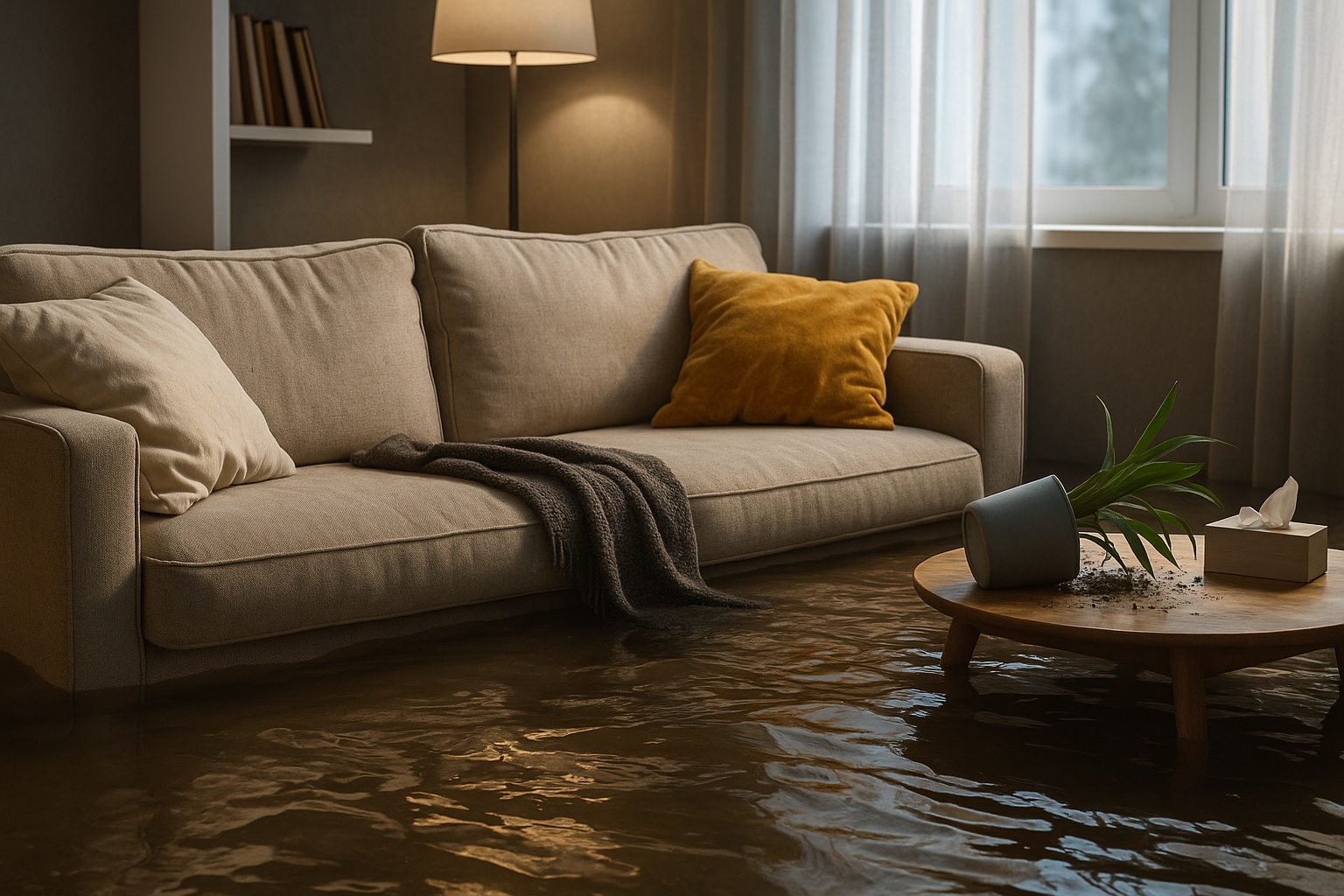
Your first priority should always be safety. Before entering a flooded property, check whether the surrounding area is safe. Floodwater may contain harmful bacteria, sewage, chemicals, and sharp objects. Avoid walking through standing water, especially if electrical outlets, appliances, or power lines may come into contact with it.
Flood damage can happen unexpectedly due to heavy rainfall, burst pipes, overflowing drains, or severe storms. It can affect your home's structure, furniture, electrical systems, and personal belongings. Taking the right steps immediately can reduce further damage and make the recovery process easier. Knowing what to do first also helps protect your family and prevent costly repairs. Here are the essential steps to follow after experiencing flood damage.
1. Prioritize Your Family's Safety
Your first priority should always be safety. Before entering a flooded property, check whether the surrounding area is safe. Floodwater may contain harmful bacteria, sewage, chemicals, and sharp objects. Avoid walking through standing water, especially if electrical outlets, appliances, or power lines may come into contact with it.
If you suspect electrical damage, stay away from the affected area and contact a qualified electrician. Leave the property if you notice structural instability, gas leaks, or other serious hazards. Never take unnecessary risks to protect household belongings.
2. Contact Your Insurance Provider
Once everyone is safe, contact your home insurance provider and report the damage. Explain what happened and ask about the next steps for filing a claim. Take clear photographs and videos of affected rooms, damaged furniture, appliances, walls, and flooring.
Keep receipts for emergency purchases and temporary repairs. Proper documentation can help support your insurance claim and make the process smoother. Avoid throwing away damaged belongings until your insurer advises you to do so, unless they create an immediate health or safety risk.
3. Stop the Source of Water
If the flooding comes from a burst pipe or plumbing issue, shut off the main water supply if you can safely access it. For outdoor flooding or heavy rainfall, avoid entering areas with rising water.
Stopping the source of water can prevent additional damage to your property. However, never attempt repairs in unsafe conditions. Contact qualified professionals who can identify the source and recommend appropriate solutions.
4. Contact Professional Flood Restoration Experts
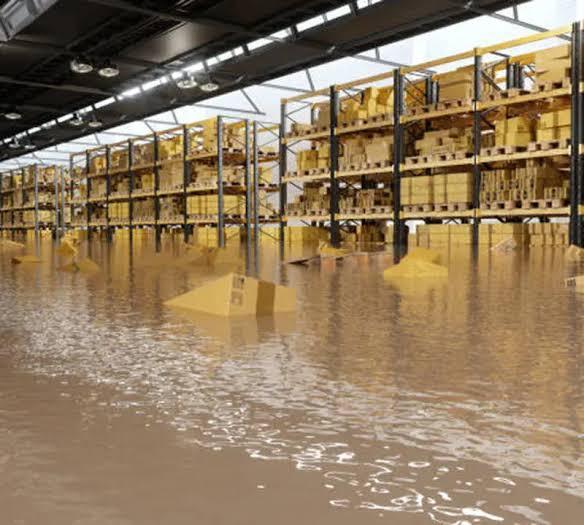
Floodwater can penetrate walls, floors, insulation, and other hidden areas. Even when visible water disappears, moisture may remain inside building materials and create conditions for mould growth.
Hiring a reliable restoration company Canada homeowners can trust helps address these problems professionally. Experienced technicians use specialized equipment to remove standing water, dry affected areas, and assess structural damage.
Ideal Response provides professional disaster restoration services to help property owners recover after unexpected flooding. Working with trained restoration specialists can also help identify hidden moisture and prevent additional property damage.
5. Begin Professional Water Removal and Cleanup
Quick water removal plays an important role in flood recovery. Standing water can damage flooring, drywall, furniture, and electrical equipment. Professional technicians use commercial pumps, extraction machines, and industrial dehumidifiers to remove water and reduce moisture levels.
Professional flood damage cleanup also involves cleaning and sanitizing affected surfaces. This step helps address contaminants that floodwater may leave behind. Depending on the severity of the damage, specialists may recommend removing certain materials that cannot be safely restored.
6. Prevent Mould Growth and Further Damage
Moisture left behind after flooding can encourage mould growth. Check affected areas for damp walls, unpleasant odours, discolouration, and visible mould. Professional drying and moisture monitoring can help reduce these risks.
Reliable flood restoration services include proper drying, cleaning, and damage assessment. Ideal Response helps property owners take the necessary steps toward restoring safe and comfortable indoor environments.
7. Keep Records of the Restoration Process
Maintain photographs, invoices, inspection reports, and communication with your insurance provider. These records help you track repair progress and understand the work completed. They can also support future insurance discussions.
Final Thoughts
Taking immediate action after flood damage can protect your family, limit property damage, and simplify recovery. Start by ensuring everyone's safety, documenting the damage, contacting your insurer, and arranging professional assistance. With dependable restoration support from Ideal Response, property owners can take practical steps toward recovery and restore their spaces with greater confidence.