Diabetes and Hypertension: Understanding the Connection and How to Manage Both
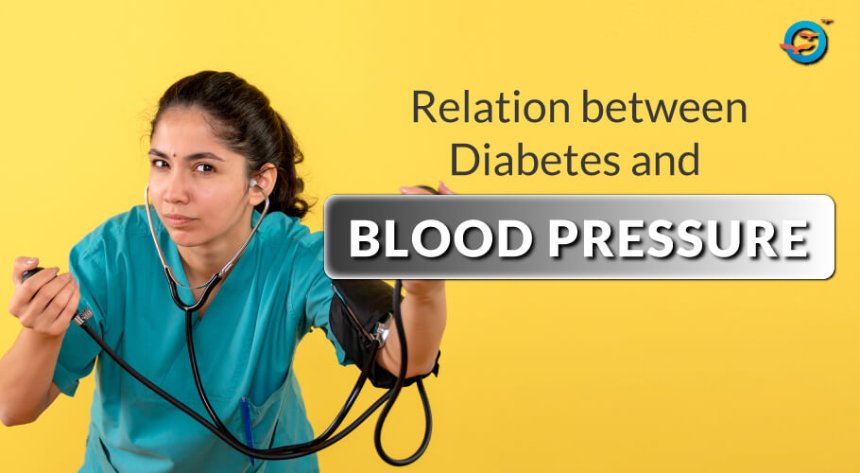
Diabetes and hypertension (high blood pressure) are two common health conditions that often occur together. Both can affect the heart, kidneys, blood vessels, and other organs. When a person has both conditions, the risk of cardiovascular complications may increase, making regular monitoring and lifestyle management especially important.
Understanding the relationship between blood sugar and blood pressure can help people make better decisions about their daily health habits.
What Is the Connection Between Diabetes and High Blood Pressure?
Diabetes affects how the body produces or uses insulin, a hormone that helps regulate blood glucose levels. When insulin does not work effectively or the body does not produce enough of it, glucose can build up in the bloodstream.
Over time, consistently high blood sugar levels can damage blood vessels and affect their normal functioning. Blood vessels may become less flexible, which can contribute to increased blood pressure.
Insulin resistance is also associated with other metabolic changes that may influence blood pressure regulation. Factors such as excess body weight, physical inactivity, an unhealthy diet, and poor sleep can further increase the risk of developing both conditions.
What Is Blood Pressure?
Blood pressure is the force exerted by circulating blood against the walls of the arteries. The heart pumps blood through these arteries to supply oxygen and nutrients throughout the body.
A blood pressure reading has two numbers:
Systolic pressure: The pressure in the arteries when the heart contracts and pumps blood.
Diastolic pressure: The pressure in the arteries when the heart relaxes between beats.
Blood pressure is measured in millimetres of mercury (mmHg). A reading is written as two numbers, such as 120/80 mmHg.
A reading of 140/90 mmHg or higher is generally considered high in many clinical guidelines, although the threshold for diagnosis can vary depending on the guidelines and an individual's health. A healthcare professional should interpret repeated readings rather than relying on a single measurement.
Can Diabetes Increase the Risk of High Blood Pressure?
Yes. Diabetes can increase the risk of developing hypertension, particularly when blood sugar levels remain high over a long period.
Persistently elevated blood glucose can damage the lining of blood vessels and contribute to stiffness and reduced flexibility. This may make it harder for blood to flow normally.
People with insulin resistance may also experience changes in how the kidneys handle sodium and fluids. When the body retains excess sodium and fluid, blood pressure can rise.
Other shared risk factors, including obesity, high cholesterol, an inactive lifestyle, and unhealthy eating habits, can contribute to both diabetes and hypertension.
Common Symptoms of High Blood Pressure
High blood pressure is often called a silent condition because many people do not experience noticeable symptoms. A person may have hypertension for years without knowing it.
Some people may experience headaches, dizziness, or blurred vision, but these symptoms are not reliable indicators of high blood pressure. The only way to know your blood pressure level is to measure it regularly.
Routine health check-ups are particularly important for people living with diabetes because early detection can help reduce the risk of complications.
How Can High Blood Pressure Affect the Brain and Heart?
Uncontrolled hypertension can put extra strain on the heart and blood vessels. Over time, this can increase the risk of heart disease, heart attack, stroke, and kidney problems.
Diabetes can further increase these risks because prolonged high blood sugar may damage blood vessels and affect circulation.
High blood pressure can also damage blood vessels supplying the brain. This may increase the risk of stroke and, over time, contribute to problems with memory and cognitive function.
Managing both blood sugar and blood pressure is therefore important for protecting long-term cardiovascular and brain health.
7 Lifestyle Changes to Help Manage Diabetes and High Blood Pressure
Healthy daily habits can support blood sugar control and help maintain blood pressure within a healthy range. Here are some practical steps to consider.
1. Reduce Salt Intake
Excess sodium can contribute to high blood pressure. Limit table salt and reduce the intake of packaged snacks, pickles, papads, instant foods, and processed meals. Choose fresh, home-cooked foods whenever possible.
2. Follow a Balanced Diet
Include vegetables, whole grains, pulses, legumes, fruits in suitable portions, nuts, and seeds in your daily meals. Choose foods that provide fibre and essential nutrients. Limit highly processed foods, sugary drinks, and excessive saturated fats.
3. Exercise Regularly
Physical activity supports heart health, improves insulin sensitivity, and helps with weight management. Walking, cycling, swimming, and strength exercises are useful options. Choose activities according to your fitness level and medical advice.
4. Maintain a Healthy Weight
Excess body weight can increase the risk of insulin resistance and hypertension. Gradual, sustainable weight management through balanced eating and regular movement can support better metabolic health.
5. Avoid Smoking and Limit Alcohol
Smoking damages blood vessels and increases cardiovascular risk. Avoid tobacco and exposure to secondhand smoke. Limiting or avoiding alcohol can also support better blood pressure management.
6. Manage Stress and Get Enough Sleep
Long-term stress and poor sleep can affect overall metabolic health. Relaxation techniques, breathing exercises, meditation, and a consistent sleep schedule may help support general well-being.
7. Monitor Blood Sugar and Blood Pressure
Regularly check blood glucose and blood pressure as advised by your healthcare professional. Keep a record of readings and attend scheduled health check-ups. Take prescribed medicines consistently and do not change or stop them without medical guidance.
Can Managing Diabetes Help Control Blood Pressure?
Managing diabetes can support better overall cardiovascular health, but it does not automatically resolve hypertension. Blood sugar and blood pressure are related, yet they are separate health measurements that may require different treatments.
A combination of balanced nutrition, regular physical activity, weight management, stress reduction, and appropriate medical care can help manage both conditions.
People with diabetes and hypertension should work with their healthcare team to set individual blood sugar and blood pressure targets. Regular monitoring and timely treatment can help reduce the risk of long-term complications.
Conclusion
Diabetes and hypertension often occur together because they share several risk factors and can affect the same organs and blood vessels. Uncontrolled blood sugar and high blood pressure can increase the risk of heart disease, stroke, and kidney complications.
Making practical lifestyle changes, monitoring health regularly, and following medical advice can help manage both conditions. Consistency in everyday habits plays an important role in supporting long-term health and well-being.
Read more about this, visit our blog.
https://www.freedomfromdiabetes.org/blog/post/Relation%20between%20Hypertension%20(BP)%20and%20Diabetes/2618

Namrata-FFD1
12 minutes ago
namrata-ffd1
#health
Understanding the Relationship Between Diabetes and Hypertension
Diabetes and high blood pressure are closely connected health conditions that can increase the risk of heart disease, stroke, and kidney complications.
Reliable Medical Gas Equipment and Cryogenic Storage Solutions for Pro...

medicalgassupplier
6 minutes ago
Beste Erektiler Dysfunktion Pillen: Behandlungsmöglichkeiten und wicht...
Bei der Behandlung einer erektilen Dysfunktion werden häufig Medikamente aus der Gruppe de...

Andres Bruce
12 minutes ago
What Is Driving the Growing Demand for Compressors in Angola?
Explore Angola's compressor industry, driven by industrial expansion, oil and gas investme...
johnryan
13 minutes ago