Hazardous zones are areas where flammable gases, vapors, mists, or dust are present in sufficient quantities to pose a risk of explosion. These zones are commonly found in industries such as petrochemical, pharmaceuticals, mining, food processing, and paint manufacturing. Due to the presence of explosive atmospheres, these environments demand specialized equipment that minimizes the risk of ignition and ensures safety while maintaining operational efficiency.
The classification of hazardous zones is based on the frequency and duration of the presence of explosive atmospheres. These zones are generally categorized as:
- Zone 0: An area where explosive atmospheres are present continuously or for long periods.
- Zone 1: An area where explosive atmospheres are likely to occur during normal operations.
- Zone 2: An area where explosive atmospheres are not likely to occur in normal operation and, if they do, they will exist only for a short time.
Each zone requires appropriate equipment that complies with international safety standards such as ATEX (Atmosphères Explosibles).
What is ATEX Certification?
ATEX air conditioneris a European directive that regulates the equipment and protective systems intended for use in potentially explosive atmospheres. The ATEX directive consists of two EU directives for controlling explosive atmospheres:
- ATEX 114 (Directive 2014/34/EU): Concerns equipment and protective systems intended for use in explosive atmospheres.
- ATEX 153 (Directive 99/92/EC): Relates to the minimum requirements for improving the safety and health protection of workers potentially at risk from explosive atmospheres.
ATEX-certified equipment is rigorously tested and designed to prevent ignition from electrical or mechanical means, thereby ensuring safety in explosive atmospheres.
The Need for Specialized Cooling Solutions
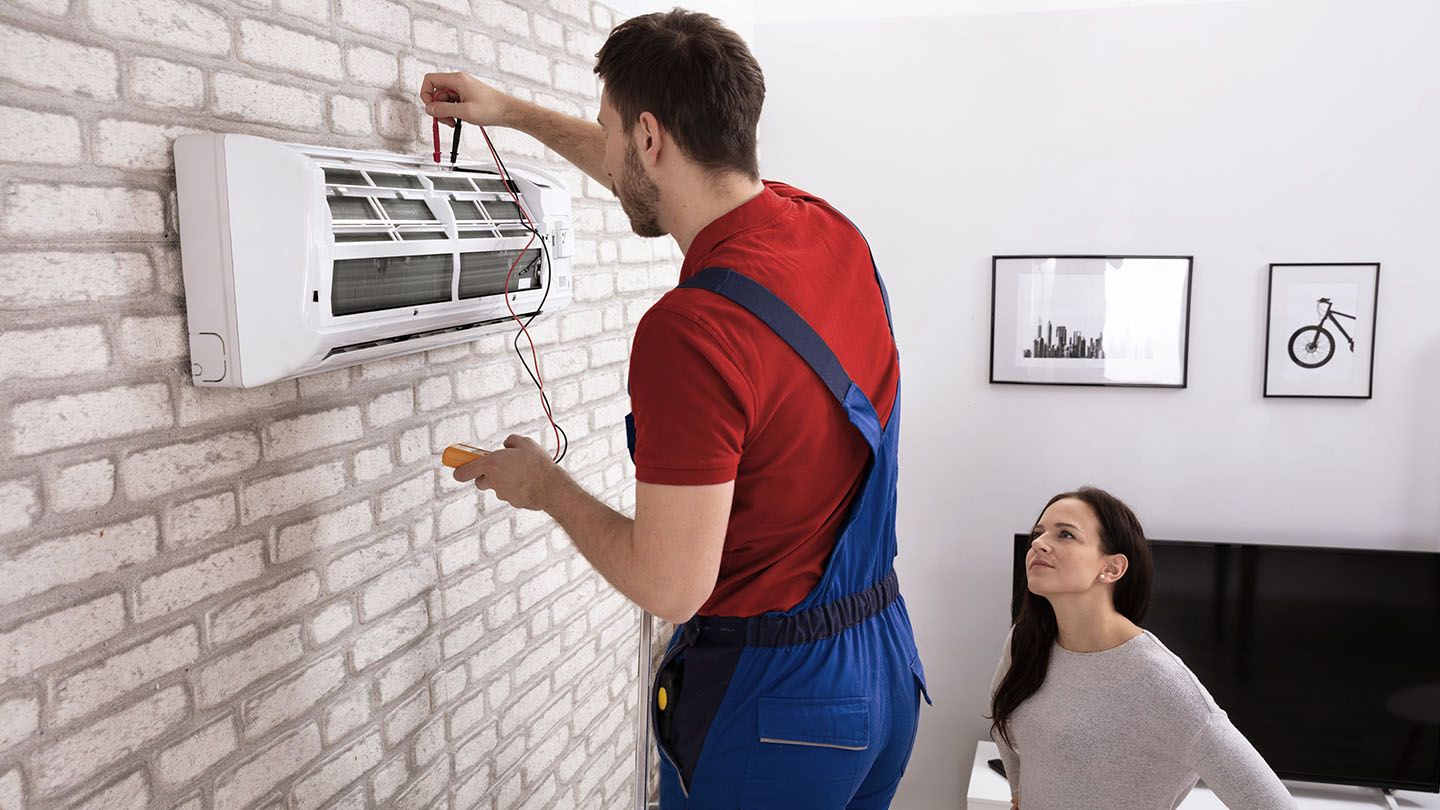
Cooling hazardous zones presents unique challenges. The equipment must be explosion-proof, durable, and capable of maintaining temperature control without compromising safety. Overheating in such environments can escalate the risk of ignition, endangering both personnel and infrastructure.
Traditional air conditioners are not suitable for hazardous areas due to the risk of sparks or high surface temperatures. ATEX-certified air conditioners are engineered specifically to eliminate these risks and provide safe, reliable cooling.
Features of ATEX Air Conditioners
ATEX air conditioners are designed with a range of features that make them suitable for hazardous zones:
- Explosion-Proof Design: All electrical components are enclosed in flameproof housings.
- Corrosion Resistance: Often made of stainless steel to resist chemicals and harsh environments.
- Hermetically Sealed Components: Prevents the ingress of flammable gases and dust.
- Intrinsic Safety: Ensures that any electrical current is at a level too low to cause ignition.
- Temperature Control: Maintains stable temperatures to prevent overheating of critical equipment.
These systems are tailored to maintain operational efficiency while ensuring the utmost safety in explosive environments.
Choosing the Right ATEX Air Conditioner
When selecting an ATEX air conditioning unit, several factors need to be considered:
1. Zone Classification
Determine the exact classification of the hazardous area (Zone 0, 1, or 2) to ensure the selected unit meets the required safety standards.
2. Ambient Conditions
Assess temperature, humidity, and the presence of corrosive substances to choose a unit with suitable material and performance specifications.
3. Cooling Capacity
Calculate the required cooling load based on the size of the area, equipment heat output, and insulation.
4. Mounting Options
ATEX units come in various configurations, including wall-mounted, roof-mounted, and split systems. The installation environment will dictate the most appropriate type.
5. Compliance and Certification
Ensure the unit is ATEX-certified and meets any other relevant standards such as IECEx, UL, or ISO certifications required for global operations.
Installation Considerations
Proper installation is critical for the safe operation of ATEX air conditioning units. Installation should be carried out by trained personnel familiar with hazardous environments. Key considerations include:
- Proper Grounding: To prevent electrostatic discharge.
- Correct Placement: To avoid blocking ventilation and ensure optimal airflow.
- Sealed Connections: All electrical and duct connections must be tightly sealed to prevent the ingress of flammable gases.
- Regular Inspection: Routine maintenance and inspections are necessary to detect wear and ensure continued compliance with safety regulations.
Maintenance and Safety Protocols
Maintaining ATEX air conditioners involves a rigorous schedule to prevent malfunctions that could lead to unsafe conditions. Maintenance procedures should include:
- Visual Inspections: Check for corrosion, loose components, and physical damage.
- Electrical Testing: Verify integrity of wiring and grounding systems.
- Filter Replacement: Regularly change filters to maintain airflow and efficiency.
- Component Testing: Ensure temperature controls and sensors are functioning correctly.
- Documentation: Keep detailed logs of maintenance activities for compliance audits.
Benefits of ATEX Air Conditioning Systems
Utilizing ATEX-certified air conditioners in hazardous zones offers several advantages:
- Enhanced Safety: Designed to operate without igniting explosive atmospheres.
- Regulatory Compliance: Meets legal obligations and industry standards.
- Operational Continuity: Prevents overheating of sensitive equipment.
- Improved Worker Comfort: Maintains a habitable temperature in workspaces.
- Long-Term Durability: Engineered for resilience in corrosive and demanding environments.
Real-World Applications
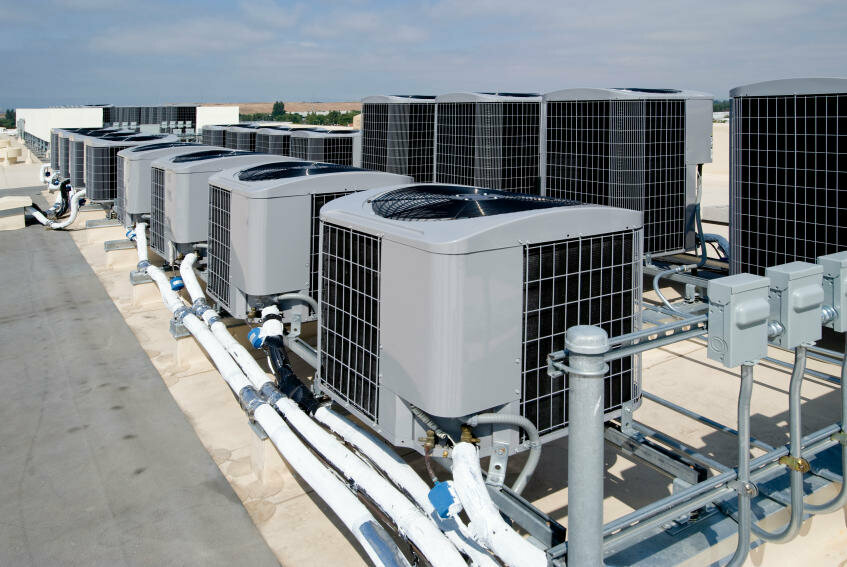
ATEX air conditioners are used in various sectors where explosive atmospheres are a concern. Examples include:
- Oil and Gas Platforms: Cooling control rooms and electronic enclosures.
- Chemical Processing Plants: Managing temperature in production and storage areas.
- Pharmaceutical Facilities: Preserving integrity of temperature-sensitive processes.
- Grain Storage and Milling: Preventing dust explosions.
- Paint Booths and Coating Operations: Controlling fumes and heat.
Conclusion
Cooling hazardous zones quickly and safely requires a specialized approach. ATEX-certified air conditioners provide a robust solution tailored to explosive environments. By understanding the requirements of hazardous zones, choosing the right equipment, and following strict installation and maintenance protocols, industries can ensure safe and effective temperature control.
As global safety standards evolve, investing in certified and reliable cooling systems like ATEX air conditioners becomes not only a regulatory necessity but also a strategic advantage for protecting both people and property.
For more insightful articles related to this topic, feel free to visit - blogs.bangboxonline