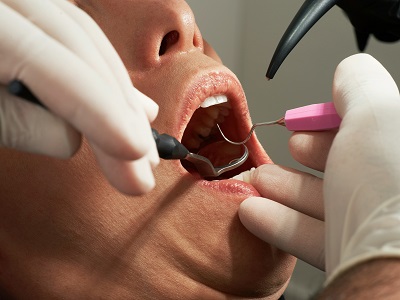

Dry mouth is a common oral health problem that can affect people of different ages. It occurs when the salivary glands do not produce enough saliva to keep the mouth properly moist. Although occasional dryness may not seem serious, persistent dry mouth can increase the risk of several dental problems, particularly cavities and tooth decay. Saliva plays an essential role in maintaining oral health by washing away food particles, neutralising acids, and protecting tooth enamel. When saliva production decreases, teeth become more vulnerable to harmful bacteria and acid attacks.
Understanding the Connection Between Dry Mouth and Cavities
Saliva is one of the body's natural defences against tooth decay. It helps remove leftover food particles, reduces harmful bacteria, and maintains a balanced environment inside the mouth. Saliva also contains minerals such as calcium and phosphate, which help strengthen tooth enamel through a natural process called remineralisation.
When the mouth does not produce enough saliva, these protective functions become less effective. Bacteria can multiply more easily and produce acids that gradually weaken tooth enamel. Over time, this can lead to cavities, sensitivity, and other dental complications. People experiencing persistent dry mouth may develop tooth decay more quickly, especially around the gumline and between teeth.
Common Causes of Dry Mouth
Several factors can contribute to reduced saliva production. Certain medications, including those used to manage allergies, depression, high blood pressure, and other health conditions, may cause dry mouth as a side effect. Dehydration is another common reason, particularly when someone does not drink enough water throughout the day.
Mouth breathing, smoking, alcohol consumption, and excessive caffeine intake can also contribute to oral dryness. Additionally, certain medical conditions and treatments, including diabetes, autoimmune disorders, and radiation therapy involving the head and neck, may affect salivary gland function.
Identifying the underlying cause is important because managing dry mouth often requires addressing the factors responsible for reduced saliva production.
Signs That Dry Mouth May Be Affecting Your Teeth
Dry mouth can cause several noticeable symptoms beyond feeling thirsty. Some people experience a sticky sensation inside their mouth, difficulty swallowing, or trouble speaking comfortably. Others may notice cracked lips, a dry tongue, bad breath, or changes in taste.
From a dental perspective, an increased number of cavities can also indicate insufficient saliva production. Tooth sensitivity, particularly when consuming sweet, hot, or cold foods, may develop as enamel becomes weakened. If these symptoms continue, scheduling a dental examination can help identify potential problems before they become more serious.
How to Protect Your Teeth When Experiencing Dry Mouth
Maintaining good oral hygiene is particularly important for people with reduced saliva production. Brushing twice daily with fluoride toothpaste helps strengthen enamel and protect teeth against acid attacks. Flossing once a day removes food particles and plaque from areas that toothbrushes cannot reach effectively.
Drinking water regularly throughout the day can help keep the mouth moist. Sugar-free chewing gum may also stimulate saliva production, while avoiding excessive sugary drinks and snacks can reduce the risk of cavities. Alcohol-based mouthwashes should be avoided if they worsen oral dryness. Instead, dentists may recommend alcohol-free mouth rinses or saliva substitutes.
Regular dental checkups are equally important. A dentist can monitor early signs of decay, recommend additional fluoride treatments, and suggest suitable products to manage persistent dry mouth.
When Should You Consult a Dentist?
Occasional dry mouth may not require extensive treatment, but persistent symptoms should not be ignored. If you frequently experience oral dryness, develop repeated cavities, or notice difficulty swallowing and speaking, professional dental advice is recommended. A dentist can evaluate your oral health, identify possible causes, and recommend appropriate preventive measures.
Taking early action can help prevent enamel damage and reduce the likelihood of more complicated dental treatments. Understanding the relationship between saliva and oral health is an important step towards maintaining healthy teeth. Following good oral hygiene habits, staying hydrated, limiting sugary foods, and attending regular dental visits are effective Ways to reduce the risk of tooth decay and protect your smile for the long term.